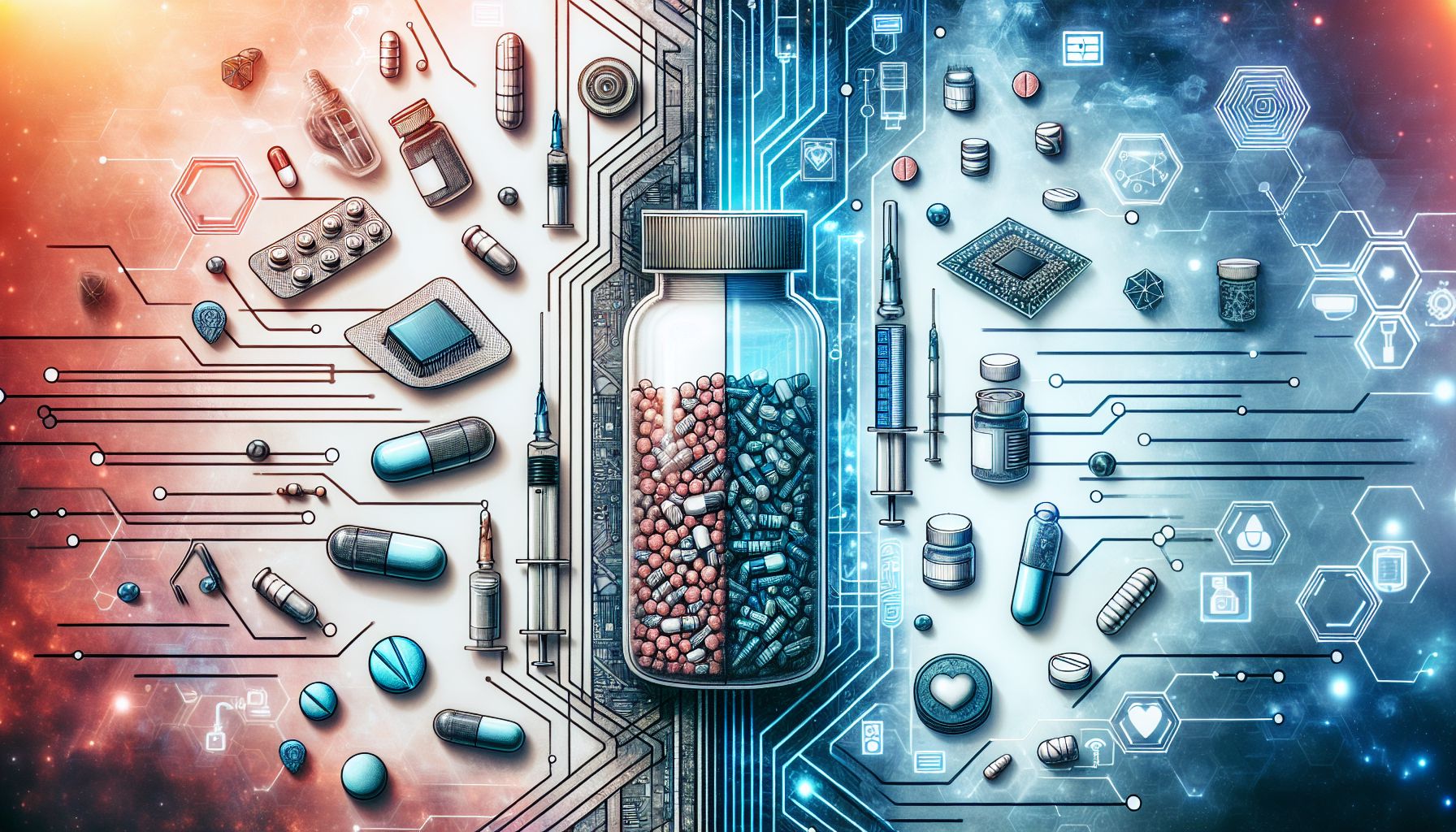
The Intersection of Technology and Pharmaceutical Products
In today’s rapidly advancing world, technology has become an integral part of our lives. It has transformed various industries, including healthcare and pharmaceuticals. The integration of technology and pharmaceutical products has brought about groundbreaking advancements that have revolutionized the way we diagnose, treat, and manage diseases. In this article, we will explore the significant ways in which technology has transformed pharmaceutical products.
Improved Research and Development
Technology has greatly accelerated the pace of research and development in the pharmaceutical industry. Scientists can now leverage sophisticated computer modeling techniques to simulate the behavior of molecules and predict their interactions with the human body. This allows for more efficient screening of potential drug candidates, saving time and resources. Furthermore, the invention of high-throughput screening techniques enables the rapid screening of thousands of compounds, significantly expanding the possibilities for drug discovery.
Precision Medicine and Personalized Treatments
Advancements in technology have paved the way for precision medicine, a tailored approach to treatment based on an individual’s unique genetic makeup and health characteristics. By analyzing vast amounts of genomic data, healthcare providers can now identify genetic variations that may impact drug metabolism or treatment efficacy. This information allows for personalized treatment plans, maximizing the effectiveness of pharmaceutical products while minimizing side effects.
Enhanced Drug Delivery Systems
The integration of technology has revolutionized drug delivery systems, making treatments more efficient and patient-friendly. For instance, the development of targeted drug delivery systems, such as nanotechnology-based carriers, enables drugs to be delivered directly to the affected area, reducing systemic side effects. Additionally, smart drug delivery devices, such as implantable sensors or wearable patches, can monitor drug levels in the body and adjust dosages accordingly, ensuring optimal therapy.
Improved Access to Healthcare
One of the most profound impacts of technology in the pharmaceutical industry is the improvement in access to healthcare. Telemedicine and mobile health applications have made it possible for healthcare providers to remotely diagnose and monitor patients, particularly those in remote areas or with limited mobility. Furthermore, the emergence of e-pharmacies and online prescription services has made obtaining pharmaceutical products more convenient and accessible, breaking down geographical barriers.
Enhanced Patient Safety and Adherence
Technological advancements have also significantly enhanced patient safety and medication adherence. Electronic prescription systems ensure accurate and legible prescriptions, reducing the risk of medication errors. Moreover, smart pill bottles and medication reminder apps help patients adhere to their prescribed regimens by providing timely reminders and monitoring their medication intake. This improves treatment outcomes and reduces the likelihood of complications arising from non-adherence.
In conclusion, technology’s integration with pharmaceutical products has revolutionized the healthcare industry in countless ways. From improving research and development to enabling precision medicine and enhancing drug delivery systems, technology has paved the way for better treatment outcomes and patient experiences. As technology continues to evolve, we can expect further advancements that will reshape the future of pharmaceutical products and the way we approach healthcare.
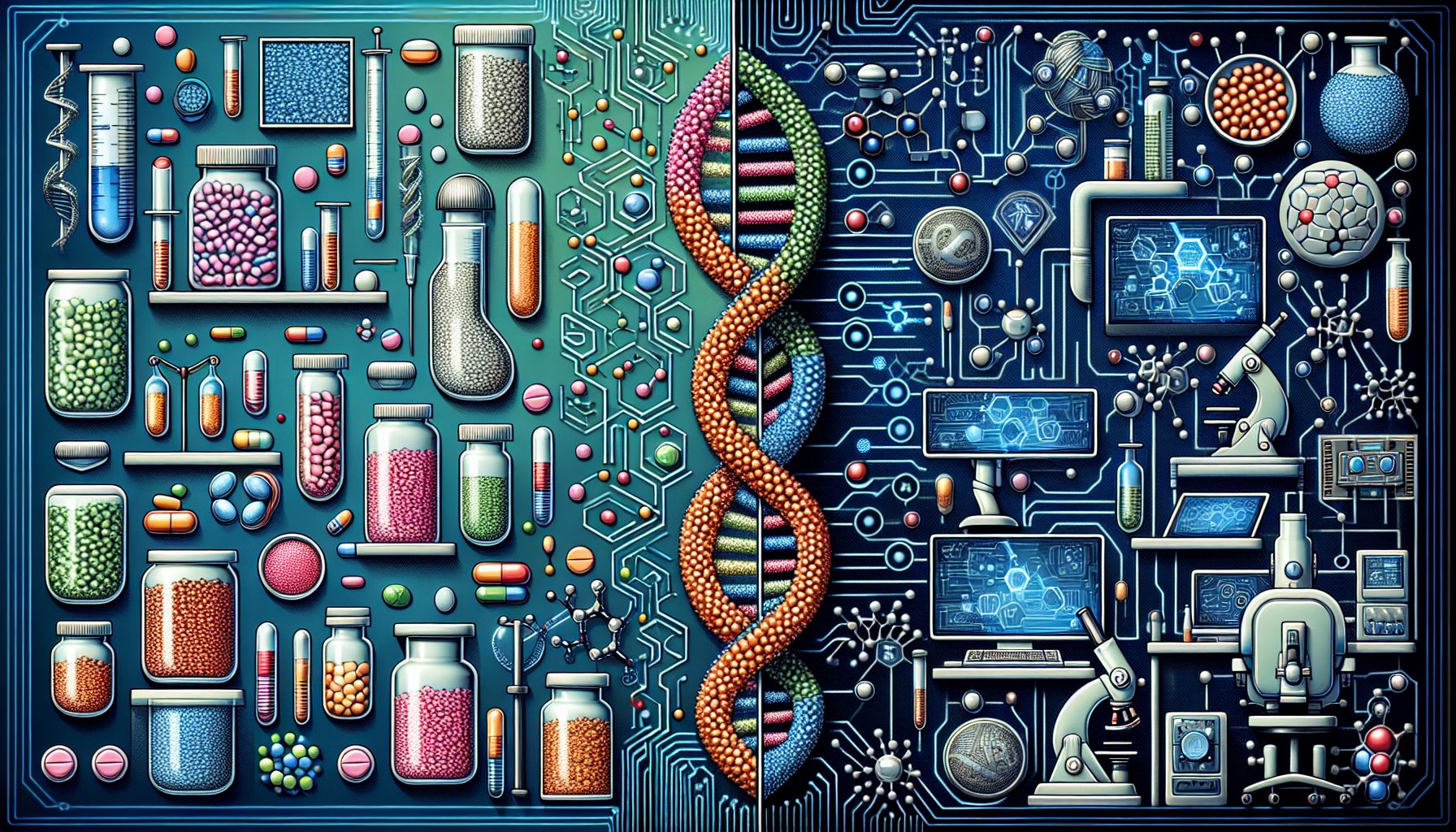
The Symbiotic Relationship Between Technology and Pharmaceutical Products
As technology continues to advance at a rapid pace, it is not only benefiting the fields of communication, transportation, and entertainment but also making a significant impact on the pharmaceutical industry. The integration of technology and pharmaceutical products has not only revolutionized the research and development process but has also improved patient care and enabled the production of more efficient and effective medications. In this article, we will explore the symbiotic relationship between technology and pharmaceutical products, and its implications for the future.
The Intersection of Technology and Pharmaceutical Research
One of the most significant contributions of technology in the pharmaceutical industry is in the area of research and development. High-throughput screening, bioinformatics, and computational modeling are just a few examples of technologies that have immensely accelerated the process of drug discovery. These advancements have allowed researchers to analyze vast amounts of data to identify potential drug targets, understand molecular interactions, and predict drug efficacy and toxicity. With the help of technology, the timeframe required for drug development has significantly reduced, enabling faster access to life-saving medicines.
Improving Patient Care with Technological Tools
In addition to drug development, technology has also played a crucial role in improving patient care and treatment outcomes. Wearable devices, such as smartwatches and fitness trackers, have now become powerful tools for collecting real-time health data. These devices can monitor vital signs, track physical activity, and even detect abnormal patterns, allowing healthcare professionals to provide personalized treatment plans. Furthermore, telemedicine has gained prominence, enabling remote access to medical professionals and reducing the need for in-person visits, particularly in rural or underserved areas.
Enhancing Medication Production and Administration
Technological advancements have also had a significant impact on the manufacturing and administration of pharmaceutical products. Automation and robotics in manufacturing processes have improved accuracy, efficiency, and safety while reducing costs. From the production of pills to quality control, technology has streamlined the entire manufacturing process, ensuring consistent and reliable results. Furthermore, the introduction of smart medication packaging, such as blister packs with embedded sensors, assists patients in adhering to their prescribed medication regimens. These smart packages provide reminders, track consumption, and even send alerts to healthcare providers when doses are missed.
Future Perspectives and Challenges
While the integration of technology and pharmaceutical products continues to present promising opportunities, it is not without its challenges. Privacy and security concerns regarding the storage and transmission of patient data need to be addressed. Additionally, the cost of adopting and implementing sophisticated technologies can be a significant barrier for many healthcare providers, particularly in resource-limited settings. Collaboration between the technology and pharmaceutical sectors, as well as policymakers, is essential to overcome these obstacles and ensure the equitable and widespread utilization of these advancements.
In conclusion, the relationship between technology and pharmaceutical products has undoubtedly brought about remarkable changes in the healthcare landscape. From accelerating drug discovery to revolutionizing patient care and improving medication production and administration, technology has become an indispensable ally in the pharmaceutical industry. By addressing associated challenges and continually pushing the boundaries of innovation, this symbiotic relationship is poised to lead to groundbreaking advancements in medical science, ultimately benefiting patients worldwide.
The Dynamic Duo: How Technology is Revolutionizing Pharmaceutical Products
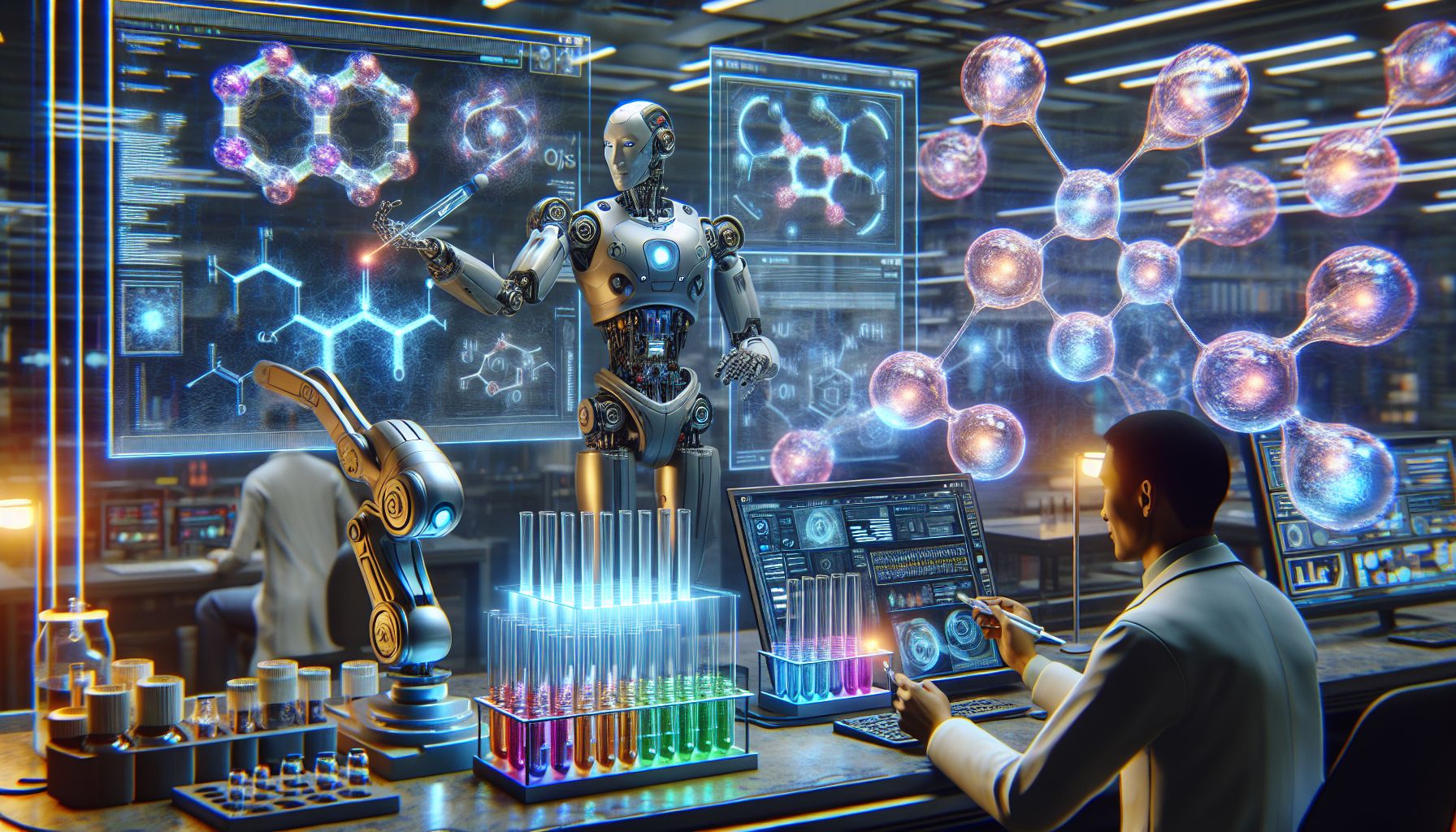
Technology has undoubtedly transformed the way we live, work, and communicate. From smartphones to artificial intelligence, its impact on various industries is evident. One industry that has significantly benefited from advancements in technology is pharmaceuticals. The integration of technology into pharmaceutical products has resulted in improved treatments, enhanced patient care, and increased efficiency in the healthcare sector. Let’s delve into how this dynamic duo is revolutionizing the pharmaceutical industry.
Enhanced Drug Development and Research
The process of developing new pharmaceutical products has traditionally been time-consuming and costly. However, with the aid of technology, this process has become more efficient. Advanced computer algorithms and machine learning techniques have helped researchers analyze vast amounts of data, leading to better drug discovery and development. Furthermore, technologies such as high-throughput screening have significantly accelerated the identification of potential drug candidates, reducing the time required for testing in the laboratory.
Improved Drug Delivery Systems
Pharmaceutical products aim to deliver drugs to specific sites in the body to achieve maximum therapeutic effects. Technology has played a crucial role in improving drug delivery systems, making them more targeted and efficient. For instance, the development of nanotechnology has allowed for the production of nanoparticles that can encapsulate drugs and deliver them to specific cells or tissues. This targeted drug delivery not only enhances efficacy but also minimizes side effects.
Smart Packaging and Monitoring
Technology has paved the way for the introduction of smart packaging and monitoring systems for pharmaceutical products. Smart packaging includes features such as temperature sensors, humidity control, and time-release mechanisms, ensuring that drugs remain stable and effective during transportation and storage. Additionally, smart packaging enables healthcare providers and patients to monitor medication adherence by incorporating digital tracking and reminders.
Telemedicine and Remote Patient Monitoring
The integration of technology with pharmaceutical products has led to a significant shift in patient care, with the rise of telemedicine and remote patient monitoring. Through telemedicine, patients can consult healthcare professionals remotely, saving time and resources. Moreover, remote patient monitoring devices, such as wearable sensors, allow healthcare providers to track vital signs and collect valuable health data, enabling them to provide personalized and proactive care.
Conclusion
The intersection of technology and pharmaceutical products has revolutionized the healthcare industry. From streamlining the drug development process to improving drug delivery systems, technology has reshaped the way we approach patient care. Furthermore, features like smart packaging and remote patient monitoring have advanced accessibility and convenience in healthcare. As technology continues to evolve, we can expect even more remarkable innovations and enhancements in pharmaceutical products. With this partnership between technology and pharmaceuticals, we can confidently stride into a future defined by improved treatments and heightened patient well-being.
The Intersection of Technology and Pharmaceutical Products
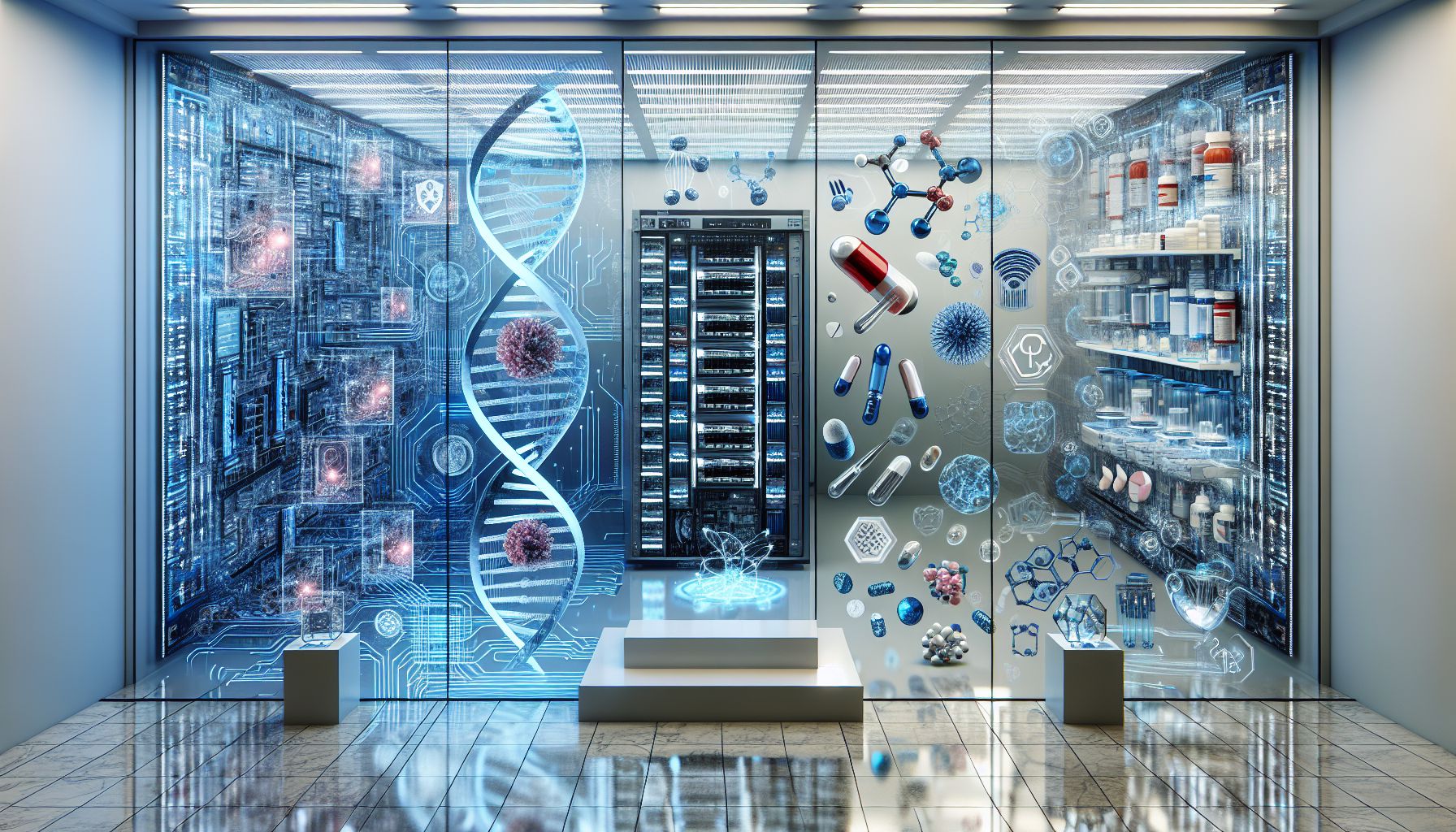
In today’s fast-paced world, technology is advancing at an unprecedented pace, transforming every aspect of our lives. The field of medicine and pharmaceuticals, too, has been greatly impacted by these technological advancements. The synergy between technology and pharmaceutical products has opened up new possibilities, revolutionizing healthcare and improving patient outcomes. In this article, we will explore the intersection of technology and pharmaceuticals and how it is shaping the future of medicine.
The Rise of Digital Health Solutions
Technology has given birth to a wide range of digital health solutions, which are changing the way we diagnose, treat, and manage diseases. From wearable devices that monitor vital signs to smartphone apps that help with medication reminders, digital health solutions are empowering individuals to take charge of their own well-being.
One significant area where technology and pharmaceutical products converge is in the development of targeted therapies. Through advances in genomic sequencing and bioinformatics, researchers can now identify specific biomarkers associated with certain diseases. This has led to the creation of personalized medicines that are tailored to an individual’s genetic makeup, increasing treatment efficacy and reducing side effects.
Enhancing Drug Development and Manufacturing
Technology has also significantly impacted the drug development and manufacturing processes. With the help of artificial intelligence (AI) and machine learning algorithms, scientists can now sift through vast amounts of data to identify potential drug targets and optimize drug discovery.
Furthermore, technology has streamlined the manufacturing process, leading to more efficient production and quality control. Automation and robotics have improved accuracy, reducing the risk of human errors. This has not only reduced costs but has also accelerated the time it takes to bring new drugs to market.
Revolutionizing Patient Care and Monitoring
Technology has transformed patient care and monitoring, enabling healthcare providers to deliver more personalized and precise treatments. Telemedicine, for instance, allows patients to consult with doctors remotely, eliminating the need for physical visits and reducing healthcare costs. Additionally, remote patient monitoring devices allow healthcare providers to track vital signs and symptoms in real-time, enabling early intervention and proactive management of chronic diseases.
Ensuring Safety and Improving Drug Adherence
Pharmaceutical products combined with technology are playing a vital role in ensuring patient safety and improving medication adherence. Smart pill bottles and packaging coupled with smartphone apps remind patients to take their medications on time, reducing non-adherence and improving treatment outcomes. Moreover, blockchain technology is being explored to enhance drug supply chain integrity, preventing counterfeit drugs from entering the market.
Conclusion
The intersection of technology and pharmaceutical products has brought about a revolution in healthcare. From digital health solutions to personalized medicine, the possibilities seem endless. These advancements are not only improving patient outcomes but are also increasing the efficiency and effectiveness of the pharmaceutical industry. As technology continues to evolve, we can only anticipate further breakthroughs that will continue to shape the future of medicine. Embracing this synergy between technology and pharmaceutical products is paramount for staying at the forefront of healthcare innovation.

The Intersection of Technology and Pharmaceutical Products
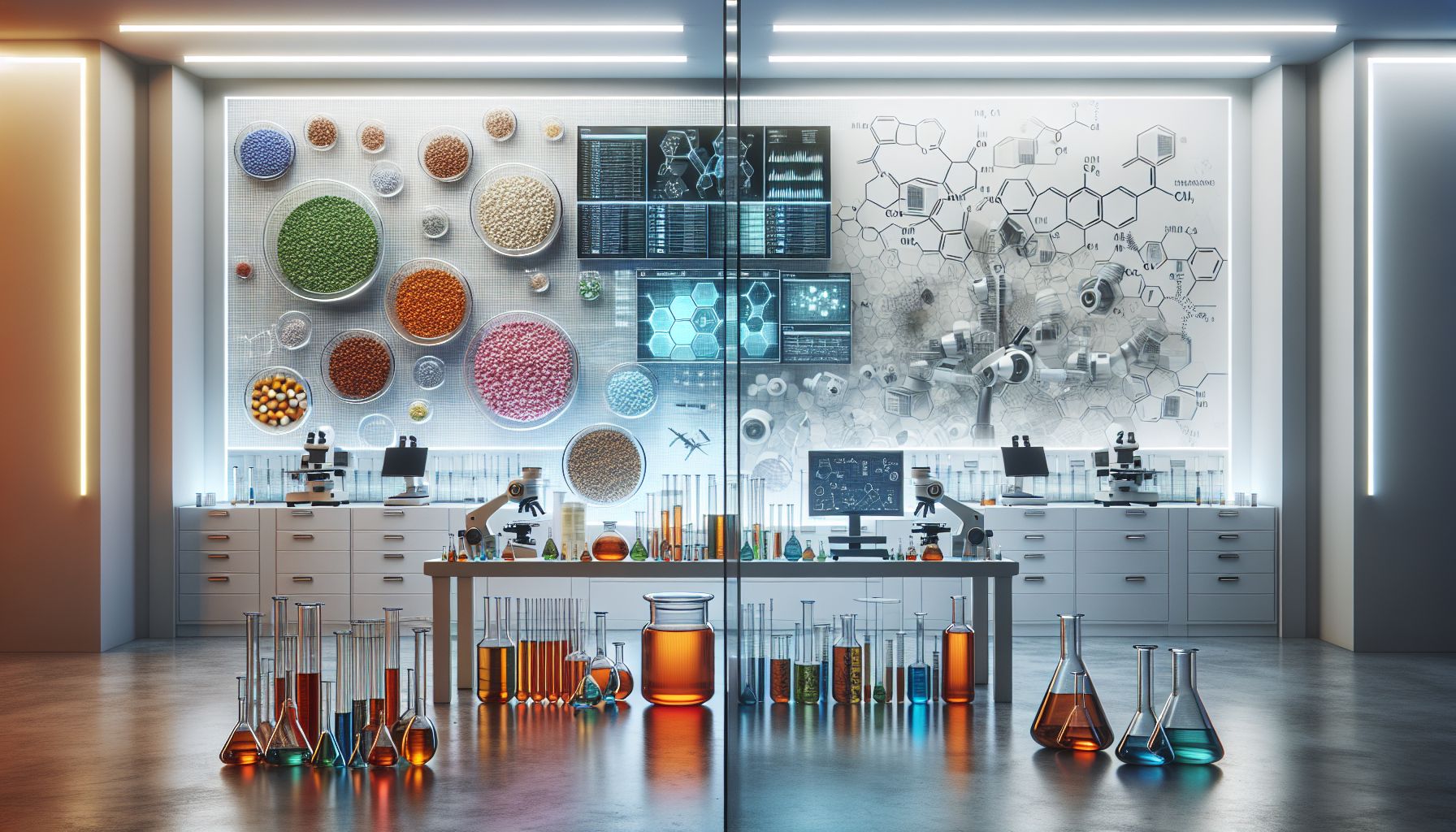
In today’s rapidly advancing world, technology plays a crucial role in shaping various industries, including pharmaceuticals. The intersection of technology and pharmaceutical products has opened doors to incredible innovations that are transforming the way we approach healthcare. From drug discovery to patient care, technology is revolutionizing every aspect of the pharmaceutical landscape.
The Power of Data and Artificial Intelligence
With the availability of vast amounts of data, pharmaceutical companies can now harness the power of artificial intelligence (AI) to accelerate drug discovery. AI-driven algorithms analyze millions of data points, including protein structures, genetic sequences, and clinical trial data, to identify potential drug candidates. This not only speeds up the drug discovery process but also increases the chances of identifying effective treatments for various diseases.
Moreover, AI is also being utilized in precision medicine, where treatment plans are tailored to individual patients based on their genetic profile, lifestyle, and environmental factors. This approach enables healthcare providers to deliver more targeted and personalized therapies, improving patient outcomes and minimizing side effects.
Connected Devices and Remote Monitoring
Technology has also enabled the development of connected devices and remote monitoring solutions that are transforming patient care. Devices, such as wearables and smart implants, can monitor vital signs, track medication adherence, and provide real-time data to healthcare professionals. This technology enhances disease management by enabling early detection of complications, allowing for timely intervention.
Remote monitoring systems also enable patients to receive care outside of traditional healthcare settings. This is particularly beneficial for individuals with chronic conditions who require continuous monitoring. Patients can now receive virtual consultations, share their health data with healthcare providers, and receive personalized recommendations without leaving the comfort of their homes. This not only improves access to healthcare but also reduces the burden on healthcare systems.
Enhancing Medication Management
Technology has brought innovative solutions to improve medication management, addressing one of the significant challenges in healthcare. Smart pill containers, automated medication dispensers, and mobile applications are making it easier for individuals to adhere to their prescribed medication schedules. These technologies send reminders, track medication intake, and even provide information about potential drug interactions.
By enhancing medication adherence, technology is promoting better health outcomes and reducing healthcare costs associated with non-compliance. Moreover, the integration of electronic health records with pharmacy systems enables healthcare providers to have a comprehensive view of their patients’ medication history, helping them make informed decisions while prescribing medications.
Conclusion
The merging of technology and pharmaceutical products has immense potential to improve healthcare outcomes, streamline drug discovery, and enhance patient care. From the power of AI in drug discovery to connected devices and remote monitoring solutions, and even medication management, technology is revolutionizing the pharmaceutical industry. As technology continues to evolve, we can expect even more groundbreaking advancements that will shape the future of healthcare. Embracing these innovations will undoubtedly pave the way for more efficient, personalized, and patient-centric pharmaceutical practices.
How Technology is Revolutionizing Pharmaceutical Products
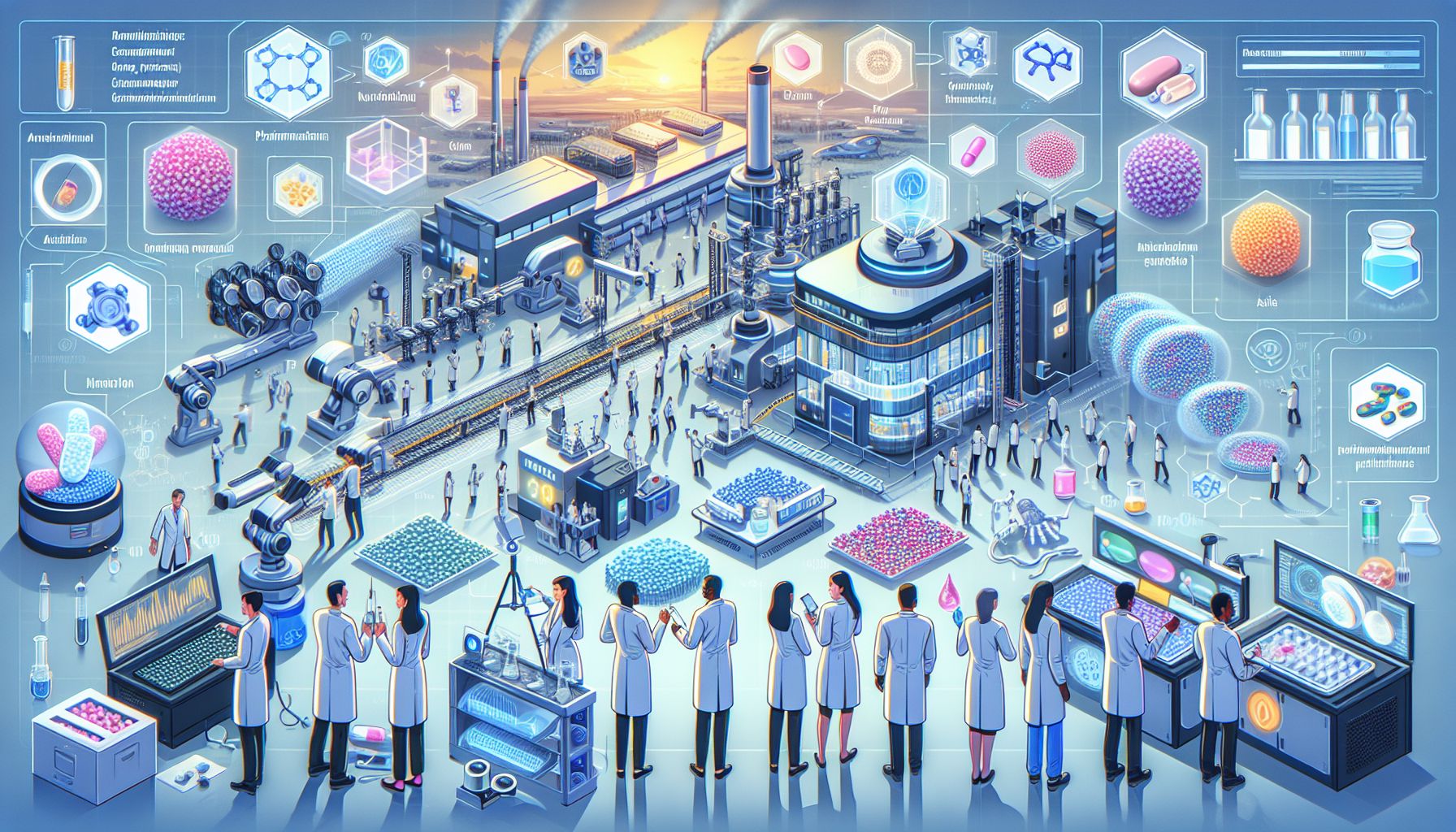
Technology has become an integral part of our daily lives, influencing various sectors including healthcare. In particular, the pharmaceutical industry has witnessed a significant transformation due to advancements in technology. These technological innovations have not only accelerated the development and production of pharmaceutical products but have also improved patient care and saved countless lives. Let’s delve into how technology is revolutionizing pharmaceutical products.
Enhanced Drug Discovery Process
The traditional process of discovering new drugs is time-consuming and often tedious. However, technology has revolutionized this process by introducing advanced computer algorithms and simulations. These techniques enable pharmaceutical researchers to predict the effectiveness of potential drug compounds without conducting laborious experiments. By utilizing computers and artificial intelligence, scientists can narrow down the number of potential drugs, saving both time and resources.
Improved Manufacturing Processes
Manufacturing pharmaceutical products demands great precision and quality control. Technology has played a crucial role in enhancing these processes, leading to safer and more efficient production methods. Automation technology, for instance, has significantly reduced human error in pharmaceutical manufacturing. Automated systems can precisely measure and mix ingredients, decreasing the possibility of batch failures and ensuring consistent product quality.
Furthermore, sophisticated machinery and equipment have minimized contamination risks during the manufacturing process. Technology enables pharmaceutical companies to maintain sterile environments essential in producing drugs. This ensures that pharmaceutical products are safe and free from contaminants, safeguarding patient health.
Advanced Drug Delivery Systems
Technology has also revolutionized drug delivery systems, allowing medications to be administered more effectively and conveniently. Wearable devices, such as smart patches and electronic inhalers, are reshaping the way medications are delivered to patients. These devices provide real-time data feedback, ensuring accurate dosages and adherence to medication plans. Such advancements not only improve patient experience but also enhance treatment outcomes.
Moreover, technology has made substantial progress in developing targeted drug delivery systems. Nanotechnology has enabled the creation of nanoparticles that can be specifically designed to target diseased cells, reducing side effects and improving drug efficacy. These advancements hold immense potential for the treatment of various diseases, including cancer.
Personalized Medicine
Technology has paved the way for personalized medicine, tailoring treatments to the unique needs of individual patients. By leveraging genetic information and advanced algorithms, healthcare professionals can identify the most suitable treatment options and predict individual responses to medications. This approach significantly increases treatment effectiveness and minimizes adverse reactions.
Additionally, wearable devices and mobile applications allow patients to monitor their health conditions and receive personalized recommendations. These technologies enable continuous patient monitoring, facilitating early intervention and preventing disease progression. Personalized medicine is transforming healthcare, providing patients with customized treatments that optimize their well-being.
In conclusion, technology has revolutionized the pharmaceutical industry, accelerating the drug discovery process, enhancing manufacturing methods, improving drug delivery systems, and enabling personalized medicine. These advancements have not only improved patient care but also increased the overall efficiency and effectiveness of pharmaceutical products. As technology continues to advance, we can expect further breakthroughs in pharmaceuticals, leading to better health outcomes for individuals worldwide.

The Intersection of Technology and Pharmaceutical Products
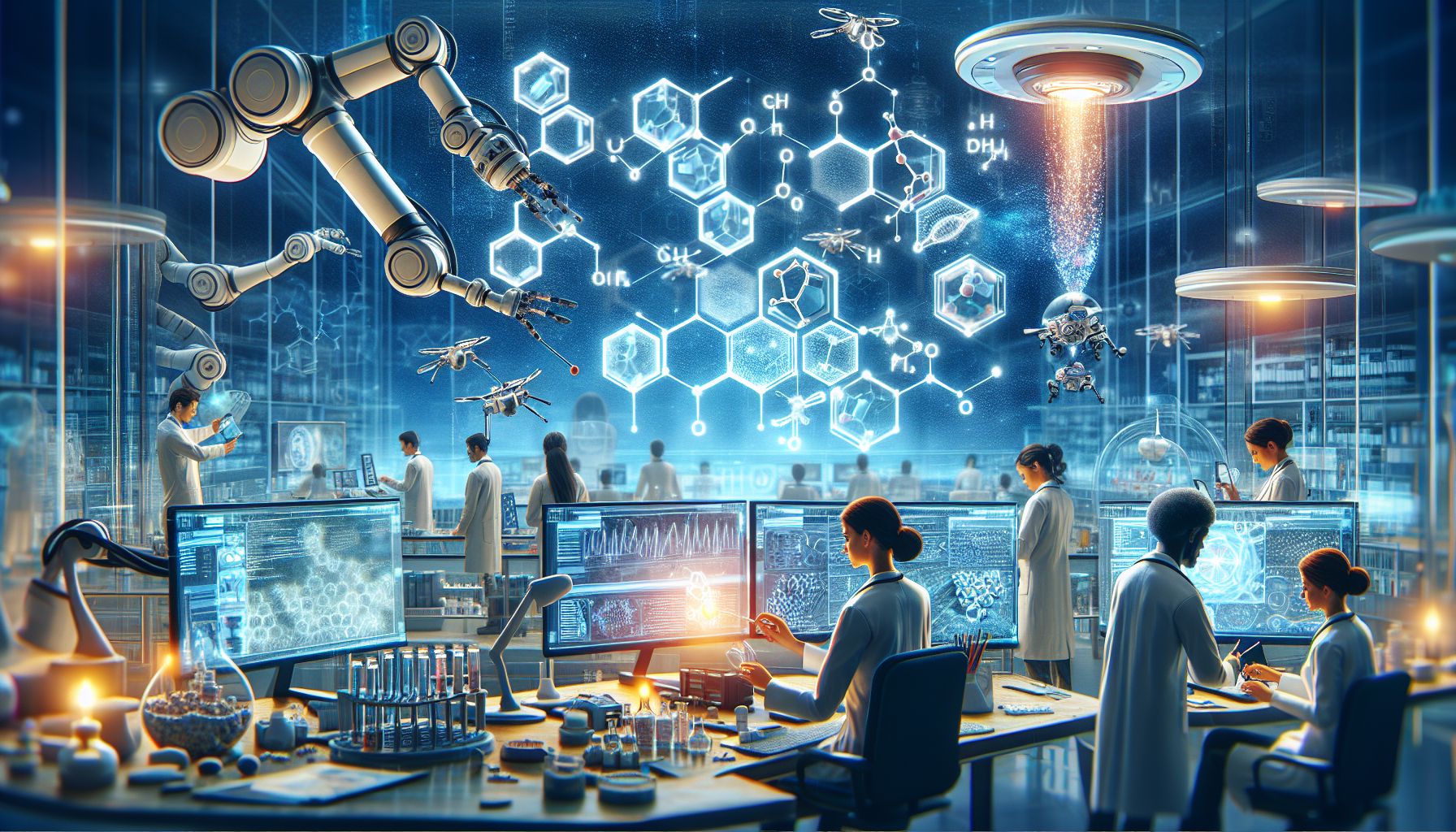
Technology has revolutionized nearly every aspect of our lives, and the healthcare industry is no exception. The convergence of technology and pharmaceutical products has given rise to new avenues of research, development, and patient care. This synergy has paved the way for improved healthcare outcomes, increased efficiency, and enhanced patient experiences. Let’s explore how technology has transformed the pharmaceutical industry.
Improved Research and Development
The integration of technology in the pharmaceutical sector has expedited the research and development process. Advanced data analytics and machine learning algorithms enable researchers to analyze vast amounts of data efficiently. This data-driven approach has significantly shortened the time it takes to identify potential drug candidates and molecules for further investigation.
Moreover, technology has also provided sophisticated tools for studying diseases and understanding their underlying mechanisms. Advanced imaging techniques, such as magnetic resonance imaging (MRI) and computerized tomography (CT), allow researchers to visualize the human body in unprecedented detail. This has led to breakthroughs in understanding diseases at a cellular and molecular level, enabling the development of more targeted and effective pharmaceutical interventions.
Enhanced Drug Delivery Systems
Another area where technology has transformed the pharmaceutical industry is in drug delivery systems. Traditional methods of drug delivery like pills and injections often have limitations, such as inconsistent absorption rates or localized side effects. However, with advancements in technology, pharmaceutical companies have developed innovative drug delivery mechanisms.
One prominent example is the use of nanotechnology in drug delivery. Nanoparticles can encapsulate drugs and precisely target specific cells or tissues in the body. This targeted delivery not only increases the effectiveness of the drugs but also reduces the dosage required, minimizing side effects. Furthermore, technologies like smart pills, implantable devices, and wearable patches are revolutionizing how medications are administered and monitored, leading to improved patient compliance and health outcomes.
Personalized Medicine
Technology has enabled the development of personalized medicine, an approach that tailors medical treatments to an individual’s unique characteristics. By integrating genetic profiling and digital health records, physicians can now identify the most suitable pharmaceutical products for a patient based on their genetic makeup, lifestyle, and medical history. This precision medicine allows for more effective and customized treatments, reducing the risk of adverse reactions and improving patient outcomes.
Furthermore, technology has given rise to telemedicine, which connects patients with healthcare professionals remotely. This has become particularly important in rural or underserved areas where access to specialized healthcare is limited. Remote consultations and telemonitoring using wearable devices are transforming the way patients receive pharmaceutical interventions and follow-up care, ensuring timely and efficient treatment.
Conclusion
The integration of technology and pharmaceutical products has brought remarkable advancements to the healthcare industry. Improved research and development processes, innovative drug delivery systems, and personalized medicine are just a few examples of how technology has transformed the pharmaceutical landscape. As technology continues to evolve, we can only expect further advancements and a brighter future for healthcare and patient well-being.
The Intersection of Technology and Pharmaceutical Products
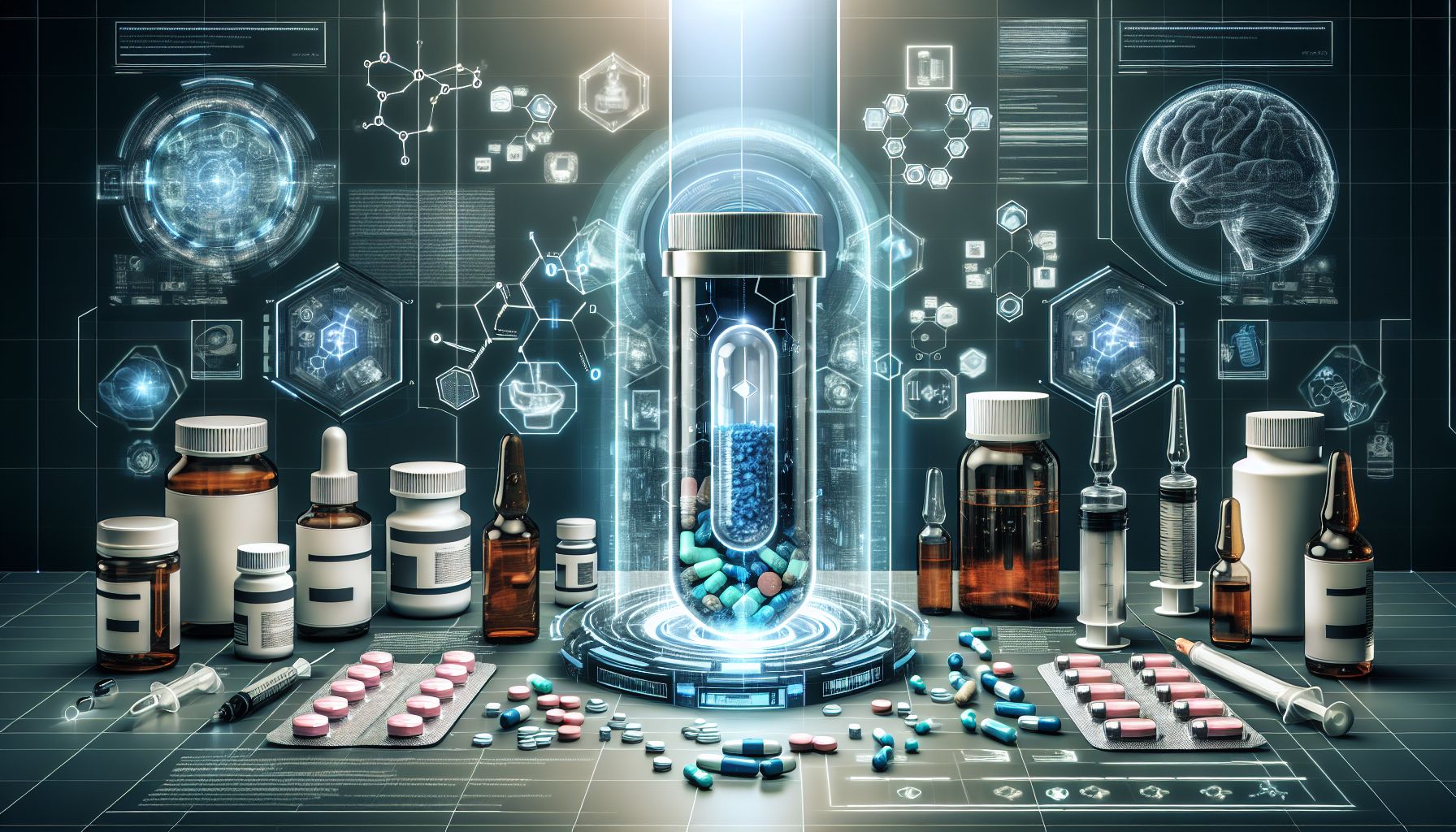
In today’s rapidly evolving world, technology plays an undeniably significant role in advancing various industries, including healthcare. One particularly fascinating area where technology is making a profound impact is the development and production of pharmaceutical products. As we witness the emergence of futuristic solutions, the collaboration between these two sectors has become crucial for the betterment of human health. Let us explore the ways in which technology is revolutionizing the pharmaceutical industry.
Streamlining Drug Discovery and Development
Traditionally, the process of discovering and developing new drugs has been a time-consuming and costly endeavor. However, with the help of technology, this process has become significantly more efficient. Powerful computing algorithms and artificial intelligence (AI) now enable researchers to analyze a vast amount of data in a comparatively shorter time frame. By utilizing machine learning algorithms, scientists can identify potential drug candidates, forecast their effectiveness, and understand their potential side effects. Technology streamlines the early stages of drug development, making it more precise and productive.
Enhancing Manufacturing and Quality Control
The advent of technology has brought substantial improvements to drug manufacturing and quality control processes. Automation systems and robotics are now commonly used to produce pharmaceutical products. These advanced machines increase accuracy, eliminate errors, and enhance overall quality. Additionally, technology allows for real-time monitoring systems that ensure strict adherence to regulatory standards, thereby optimizing production efficiency and minimizing human error.
Accelerating Clinical Trials and Personalized Medicine
Clinical trials are a critical aspect of pharmaceutical research. Technology has revolutionized this process, making it more efficient and patient-centric. By utilizing digital platforms and wearable devices, researchers can collect a vast amount of real-time health data from participants, leading to accurate analysis and faster results. Moreover, technology enables the development of personalized medicine, tailoring treatments to an individual’s unique genetic makeup. This groundbreaking approach has the potential to revolutionize patient care by ensuring more targeted and effective treatments.
Ensuring Proper Medication Adherence
One of the significant challenges within healthcare is patient non-compliance with medication regimens. However, technology is now providing solutions to address this issue as well. Smartphone applications and wearable devices allow patients to set reminders for their medication schedules, track their adherence, and receive personalized health-related information. Furthermore, medication packaging technology can now include electronic systems to monitor drug usage, ensuring proper adherence and reducing the risk of medication errors.
Conclusion
The intersection of technology and pharmaceutical products is transforming the healthcare landscape. From streamlining drug discovery and manufacturing processes to revolutionizing clinical trials and encouraging medication adherence, technology has become an indispensable tool in pharmaceutical advancements. The collaboration between these two industries promises to bring us innovative treatments, personalized medicines, and a better understanding of human health. As technology continues to evolve, we can expect even more groundbreaking developments that will shape the future of healthcare.
The Impact of Technology on Pharmaceutical Products
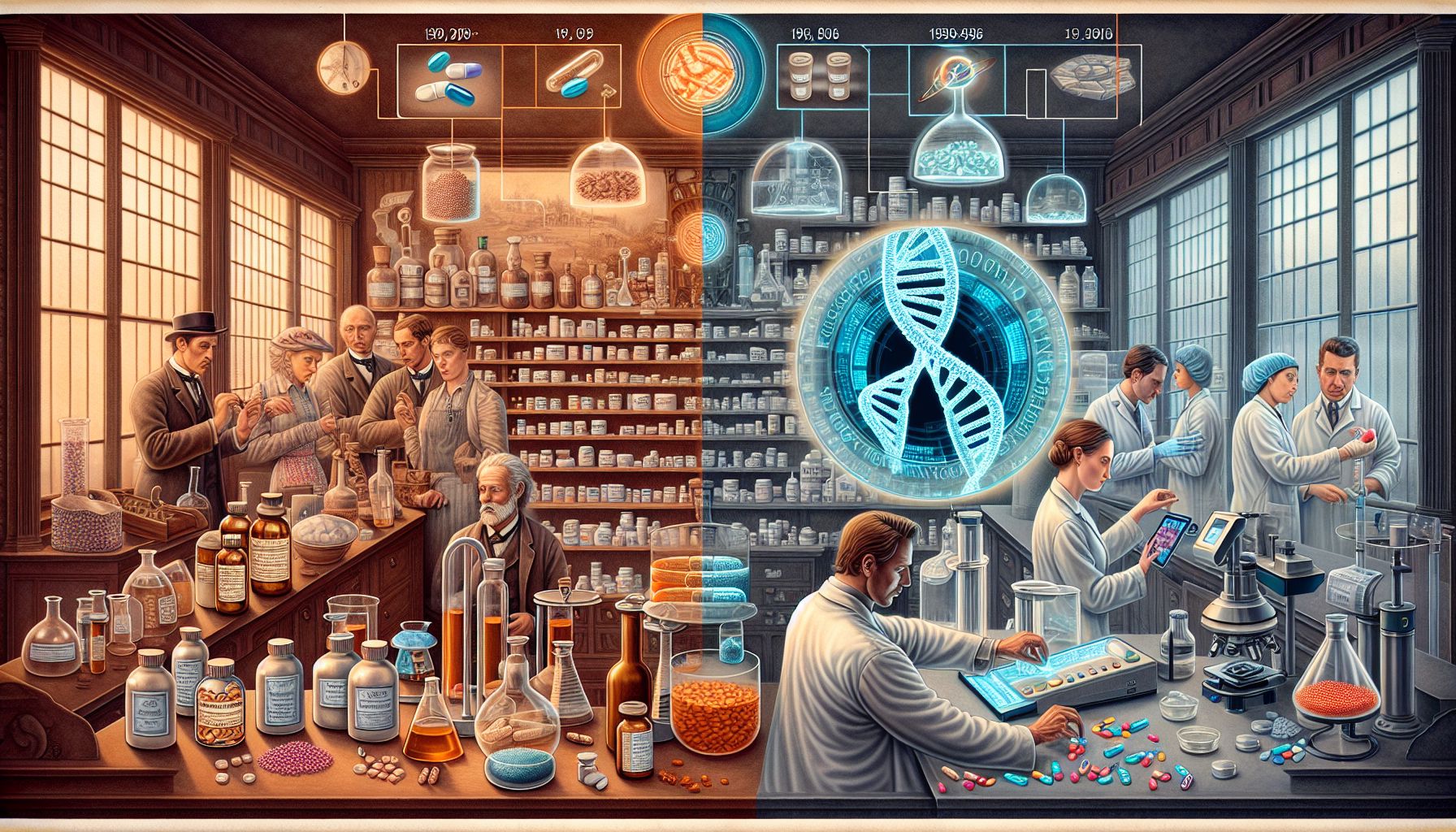
With advancements in technology permeating every facet of our lives, it is no surprise that the pharmaceutical industry has also benefited immensely from these innovations. From drug discovery and development to manufacturing and distribution, technology has revolutionized the way pharmaceutical products are made and consumed. Let’s explore the various ways technology has transformed the pharmaceutical industry.
Drug Discovery and Development
The process of developing a new drug is a complex and time-consuming task. However, technology has accelerated this process significantly. Through computer modeling and simulations, scientists can identify potential drug candidates and predict their efficacy and safety before moving forward with expensive and time-consuming clinical trials. This saves both time and resources, bringing life-saving drugs to market faster.
Moreover, technology has enabled the collection and analysis of vast amounts of data, leading to more personalized medicine. By capturing and analyzing patient data, including genetic information, pharmaceutical companies can develop targeted therapies that are tailored to an individual’s unique biological makeup. This allows for more effective treatments and improved patient outcomes.
Manufacturing and Quality Control
Technology has brought tremendous improvements to pharmaceutical manufacturing processes. Automation and robotics have made production more precise, efficient, and cost-effective. These advancements have reduced the risk of human error, contamination, and cross-contamination during manufacturing, resulting in safer and more reliable pharmaceutical products.
In addition, technologies such as real-time monitoring and quality control systems have enhanced the tracking and traceability of pharmaceutical products. This ensures that drugs are manufactured under optimal conditions and adhere to strict regulatory standards. Such advancements contribute to patient safety while minimizing the potential for counterfeit or substandard medicines in the market.
Digital Health Tools
The emergence of various digital health tools and mobile applications has empowered patients to take control of their health like never before. From mobile health monitoring devices to medication reminder applications, technology has transformed the way patients interact with pharmaceutical products.
For instance, patients can now monitor their vital signs, blood glucose levels, or medication adherence using wearable devices or smartphone apps. This data can be easily shared with healthcare professionals who can then make informed decisions regarding treatment plans. Such tools not only promote patient engagement but also improve medication adherence, leading to better health outcomes.
Conclusion
The integration of technology into the pharmaceutical industry has resulted in significant advancements that benefit both patients and healthcare providers. From expediting drug development processes to improving manufacturing efficiency and enhancing patient care through digital health tools, technology continues to shape the future of pharmaceutical products. As technology continues to evolve, we can expect further breakthroughs and innovations in this critical sector, enabling the development of even more effective and personalized treatments for a variety of diseases.
The Impact of Technology on Pharmaceutical Products
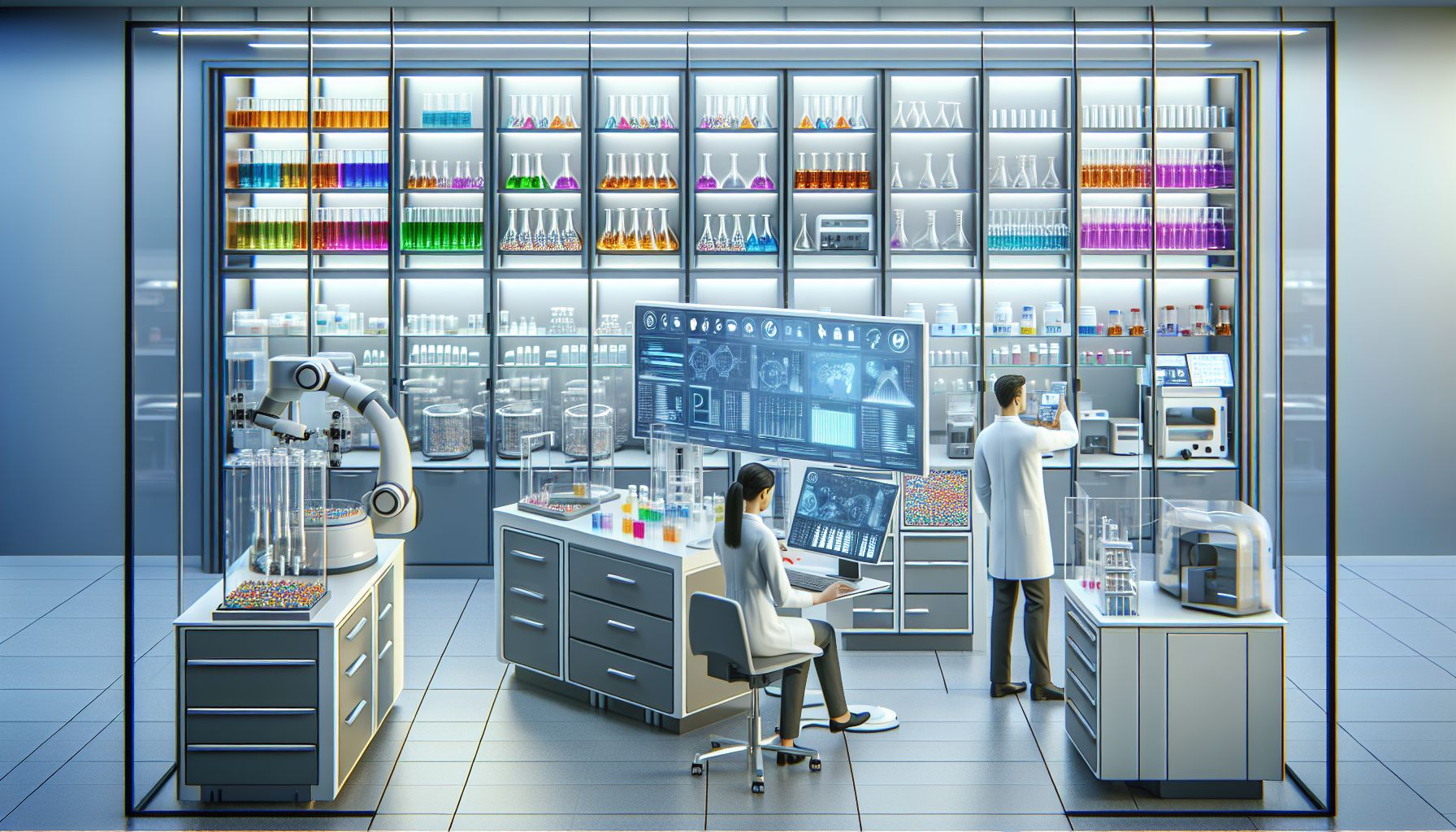
Technology has revolutionized the way pharmaceutical products are developed, tested, and delivered to the market. From innovative research techniques to advanced manufacturing processes, technology plays a critical role in shaping the future of the healthcare industry. In this article, we will explore the remarkable advancements that have been made possible through the integration of technology into pharmaceutical products.
Improved Drug Discovery and Development
One of the most significant contributions of technology to the pharmaceutical industry is in the area of drug discovery and development. High-throughput screening, bioinformatics, and computational modeling have enabled researchers to identify potential drug candidates more efficiently. These technological advancements facilitate the analysis of vast amounts of data, helping scientists to identify new molecular targets, predict drug efficacy, and optimize dosages. Consequently, the time and cost required for drug discovery have significantly reduced, leading to a quicker transition from laboratory to patient.
Enhancing Clinical Trials
Clinical trials are a critical step in determining the safety and effectiveness of pharmaceutical products before they hit the market. Technology has enhanced various aspects of clinical trials, making them more efficient and reliable. Electronic data capture systems ensure that patient information is securely recorded and easily accessible, facilitating better data management and analysis. Wearable devices and mobile apps allow real-time monitoring of patient conditions, providing accurate and continuous data to researchers. This integration of technology not only enhances the reliability of clinical trial results but also improves patient participation and engagement.
Precision Medicine
Advancements in technology have paved the way for precision medicine, an approach that tailors medical treatment to a patient’s individual characteristics, including their genetic makeup and lifestyle. Through genetic profiling and biomarker identification, technology enables pharmaceutical products to target specific patient populations with higher efficacy and fewer adverse effects. Personalized therapies, such as gene editing and targeted drug delivery, are on the horizon, promising to revolutionize the treatment of diseases ranging from cancer to genetic disorders.
Manufacturing and Quality Control
Technology has transformed pharmaceutical manufacturing, making it faster, more efficient, and cost-effective. Automation and robotics have streamlined the production process, ensuring consistent quality and reducing human errors. Moreover, real-time monitoring and analytical tools enable manufacturers to closely monitor production environments, ensuring adherence to stringent quality standards. These advancements in manufacturing technology have not only improved the supply chain but also lowered the likelihood of product recalls and improved patient safety.
Conclusion
Technology has undoubtedly redefined the pharmaceutical industry, driving advancements in drug discovery, clinical trials, precision medicine, and manufacturing. The integration of technology into pharmaceutical products has yielded quicker and more targeted therapies, enhanced the reliability of clinical trial results, and improved overall patient care. As technology continues to evolve, we can expect further innovation in the development of pharmaceutical products, leading to a brighter and healthier future for all.