The Intersection of Technology and Pharmaceutical Products
In recent years, technology and pharmaceutical products have become more intertwined than ever before. The advancements in technology have revolutionized the way pharmaceutical products are developed, manufactured, and distributed. This marriage of technology and pharmaceuticals has paved the way for innovative solutions to complex healthcare challenges and improved patient outcomes. Let’s delve into how technology has transformed the pharmaceutical industry.
Revolutionizing Drug Discovery
One of the most significant impacts of technology on the pharmaceutical field is the acceleration of drug discovery. Traditionally, this process was not only expensive but also time-consuming, often taking several years or even decades to bring a new drug to market. However, with the advent of cutting-edge technologies like artificial intelligence (AI) and machine learning, drug discovery has been revolutionized.
AI algorithms can analyze vast amounts of data, such as genetic information, clinical records, and scientific literature, to identify potential drug candidates. This helps researchers identify drug targets more accurately and expedite the process of drug discovery. Moreover, AI-powered simulations can predict the efficacy of drugs and their side effects, significantly reducing the need for costly and time-consuming clinical trials.
Smart Manufacturing and Quality Control
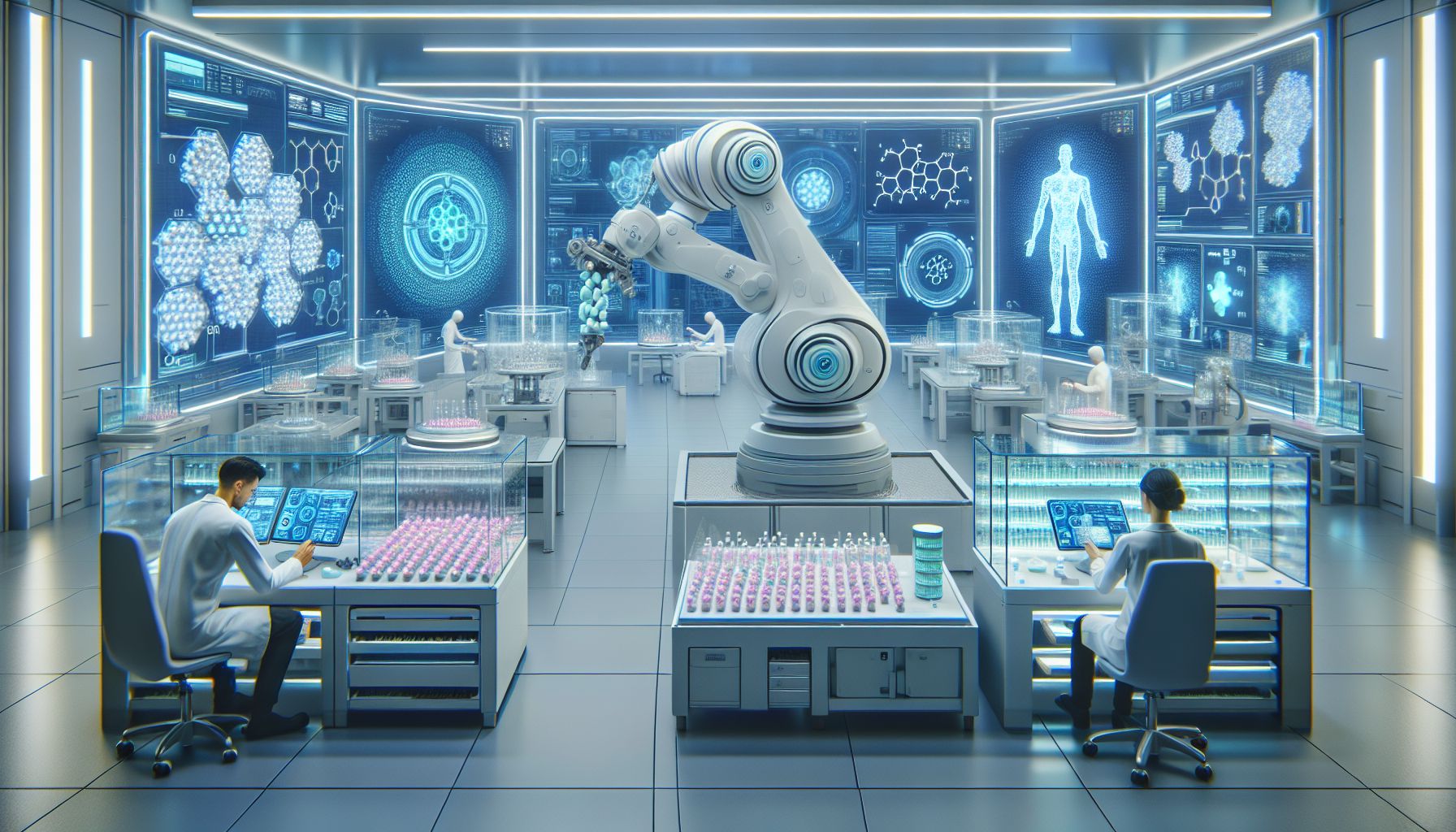
Technology has enhanced the manufacturing processes of pharmaceutical products with the introduction of smart manufacturing systems. These systems employ automation, robotics, and data analytics to improve efficiency, accuracy, and safety. By automating various aspects of the manufacturing process, such as drug formulation and packaging, the chances of human error are substantially reduced.
Additionally, technology has enabled real-time monitoring and control of manufacturing conditions, ensuring consistent quality and minimizing the risk of contamination. For instance, sensors embedded in production equipment can detect even the slightest deviations from desirable parameters, allowing for immediate corrective actions. This advancement in manufacturing technology has led to improved drug quality and minimized production costs.
Enhancing Patient Care and Safety
Technological advancements have also directly impacted patient care and safety through the development of various digital health solutions. Telemedicine, for example, allows patients to consult physicians remotely, eliminating the need for in-person visits and reducing healthcare costs. Furthermore, wearable devices equipped with sensors can continuously monitor patients, providing real-time data on their vital signs and allowing healthcare providers to detect early warning signs.
Furthermore, implementation of electronic health records (EHRs) has digitized patient information, making it easily accessible and reducing the chances of medical errors caused by illegible handwriting or misplaced files. This digitalization of medical records also enables effective data analysis, helping healthcare providers make more informed decisions about patient care.
Conclusion
As technology continues to evolve, it has become an inseparable part of the pharmaceutical industry. The integration of technology in drug discovery, manufacturing processes, and patient care has brought about transformative changes, leading to more efficient and effective healthcare solutions. With ongoing advancements in technology, we can look forward to a future where pharmaceutical products are safer, more personalized, and readily accessible to all.


The Impact of Technology on Pharmaceutical Products
Technology has drastically transformed various industries, and one that has seen significant advancements is the pharmaceutical sector. This marriage between technology and pharmaceutical products has revolutionized the way medicines are developed, manufactured, and consumed. From the discovery of new drugs to the improvement of patient care, technology has had a profound impact on the pharmaceutical field.
Discovering New Drugs
The traditional process of discovering new drugs was a time-consuming and expensive endeavor. However, with technology, this process has become more efficient and cost-effective. Powerful computers and advanced software now enable scientists to simulate and model the interactions between molecules, saving both time and resources. Bioinformatics and computational chemistry have become essential tools, aiding researchers in identifying potential drug candidates and predicting their efficacy.
Enhanced Manufacturing Processes
Pharmaceutical manufacturing has also greatly benefited from technological advancements. Automation and robotics have made production processes more precise and reliable, reducing errors and enhancing overall efficiency. This automation not only ensures consistent quality control but also speeds up the manufacturing process, getting drugs to market more quickly. Additionally, technology has enabled the development of novel drug delivery systems, such as nanoparticles, implants, and transdermal patches, revolutionizing the way medications are administered.
Improved Patient Care
Technology has significantly improved patient care, allowing healthcare providers to offer more personalized and effective treatments. Electronic health records (EHRs) have streamlined the management of patient information, ensuring easy access and reducing the risk of errors. Furthermore, telemedicine has enabled remote consultations, making healthcare services more accessible to individuals in remote areas or with limited mobility. Wearable devices, such as smartwatches and fitness trackers, have also empowered individuals to monitor their health in real-time, leading to proactive interventions and better disease management.
Ensuring Safety and Compliance
Pharmaceutical companies must adhere to rigorous safety and compliance standards. Technology plays a crucial role in ensuring adherence to these regulations. Automated systems keep track of drug inventories, expiration dates, and batch numbers, helping prevent errors and maintaining compliance. Additionally, technology enables real-time monitoring of adverse drug reactions, facilitating the reporting and analysis of potential side effects, thus ensuring the safety of patients.
Conclusion
The integration of technology into the pharmaceutical industry has brought about significant improvements in various aspects. From drug discovery to manufacturing processes and patient care, technology has enhanced efficiency, accuracy, and accessibility. As technology continues to advance, we can expect further groundbreaking innovations in the pharmaceutical field. Ultimately, the collaboration between technology and pharmaceutical products is a testament to our relentless pursuit of better health outcomes for all.
Revolutionizing Healthcare: The Innovative Intersection of Technology and Pharmaceutical Products
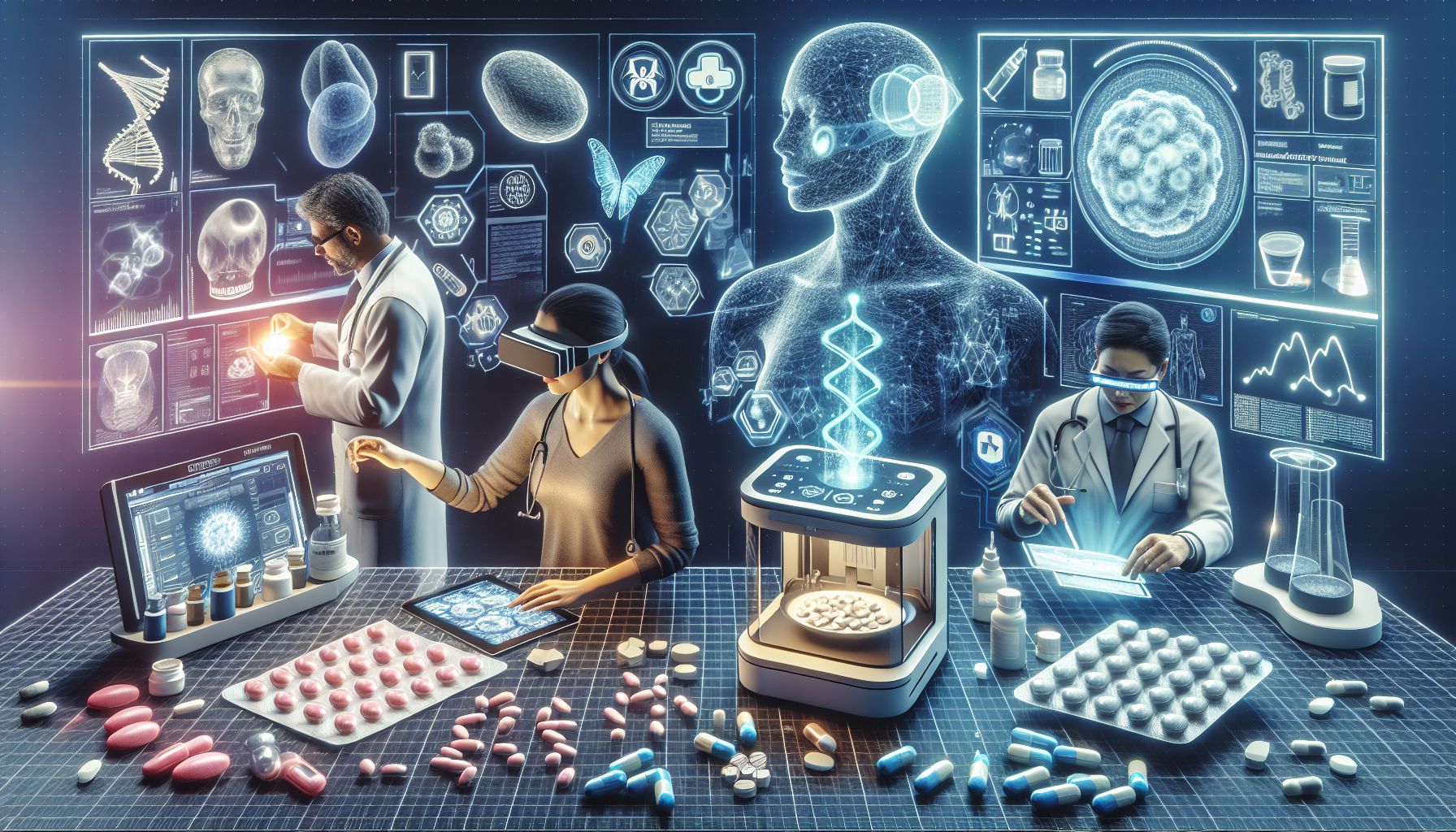
The healthcare industry is constantly evolving, and technological advancements have played a pivotal role in shaping its landscape. In recent years, we have witnessed an impressive convergence of technology and pharmaceutical products, leading to groundbreaking discoveries and improved patient care. This powerful alliance has transformed the way healthcare professionals deliver treatment and the way patients experience it.
The Power of Data-Driven Solutions
Technology has revolutionized every aspect of the healthcare sector, and pharmaceutical products are no exception. Data-driven solutions have become a vital tool in drug research and development, enabling scientists to accelerate the discovery process. Advanced algorithms and machine learning techniques analyze vast datasets, facilitating more accurate identification of potential drug candidates. Consequently, this expedites the development cycle and increases the likelihood of finding effective treatments for a multitude of diseases.
Artificial Intelligence (AI) has emerged as a game-changer in drug development. By simulating the behavior of molecules and predicting their interactions, AI algorithms can assess the efficacy and safety of potential drugs. This helps researchers make informed decisions, preventing the unnecessary time and expense associated with conventional trial and error methods.
Advanced Drug Delivery Systems
Modern technology has paved the way for innovative drug delivery systems, greatly enhancing the efficacy and patient experience. Gone are the days of traditional oral medications as the sole means of treatment. Technological advancements have allowed for sophisticated delivery methods such as transdermal patches, inhalers, and implantable devices.
Transdermal patches have transformed pain management, hormone therapy, and smoking cessation treatments. These patches provide a controlled release of medication through the skin, bypassing the digestive system and ensuring a consistent dosage over an extended period. Inhalers, on the other hand, are crucial for patients suffering from respiratory conditions. They enable quick and targeted drug delivery to the lungs, minimizing side effects and maximizing therapeutic benefits.
Moreover, implantable devices have revolutionized the treatment of chronic diseases. These small electronic devices, such as insulin pumps and cardiac pacemakers, are implanted within the body to administer medication or monitor vital signs. They significantly improve patients’ quality of life by automating treatment and reducing the need for constant medical intervention.
Transforming Patient Care with Digital Health Solutions
The integration of technology and pharmaceutical products has profoundly impacted patient care. Digital health solutions not only empower individuals to take control of their well-being but also enable healthcare professionals to provide remote monitoring and personalized treatments.
Mobile applications and wearable devices allow patients to track their health parameters, such as heart rate, blood pressure, and sleep patterns, in real-time. This constant monitoring enables early detection of potential health issues, ensuring timely interventions and preventing complications. Moreover, these technologies facilitate seamless communication between patients and healthcare providers, enhancing the overall patient experience.
Conclusion
The convergence of technology and pharmaceutical products has unleashed a new era of possibilities in healthcare. By harnessing the power of data-driven solutions, advanced drug delivery systems, and digital health solutions, we are witnessing remarkable advancements that are improving patient outcomes and revolutionizing the healthcare industry. With the continued collaboration between technology and pharmaceutical companies, we can anticipate even more groundbreaking discoveries and transformative solutions in the future.
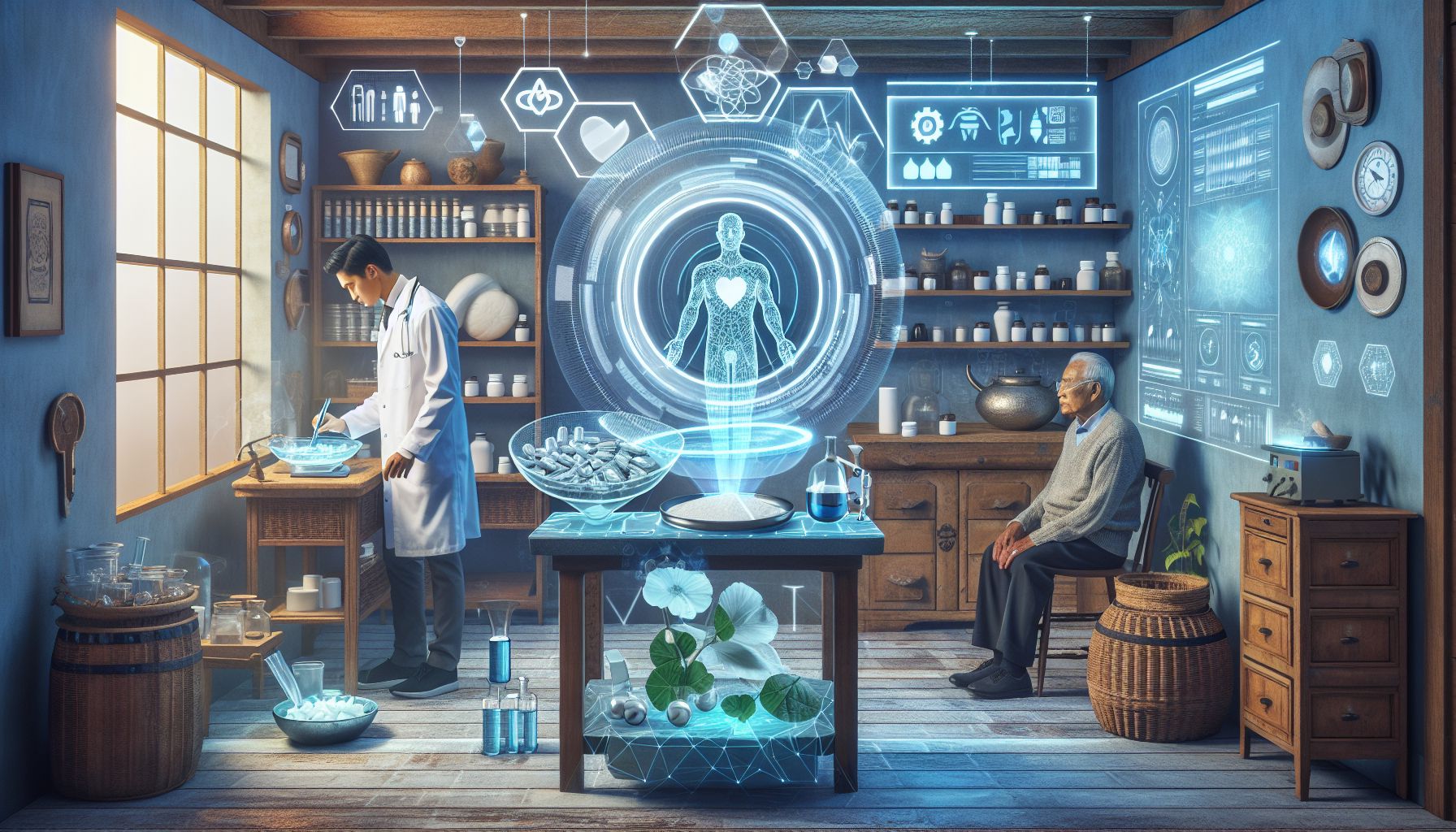
Technology and Pharmaceutical Products: Revolutionizing Healthcare
The healthcare industry has undergone a substantial transformation in recent years, thanks to the combined power of technology and pharmaceutical advancements. With the integration of high-tech tools and innovative scientific discoveries, we are witnessing a revolution that is transforming the way we approach healthcare. In this blog post, we will delve into the profound impact that technology has had on pharmaceutical products, enhancing their development, manufacturing process, and patient care.
Advancing Research and Development
Technology has paved the way for groundbreaking advancements in drug research and development. Through the use of computational models and complex algorithms, researchers can now accelerate the process of screening potential drug candidates. This allows for more efficient identification of molecules with therapeutic potential, reducing the time required for the lengthy drug discovery phase. In addition, Big Data analytics enable scientists to analyze vast amounts of medical data, expediting the identification of novel drug targets and facilitating personalized medicine approaches.
Improving Manufacturing Processes
Pharmaceutical manufacturing has also benefited significantly from technological advancements. The introduction of automation and robotics has enabled the industry to boost production efficiency while ensuring precision and reliability. Automated systems can now perform intricate tasks such as compound synthesis, formulation, and packaging, minimizing human errors and increasing the speed of manufacturing. Moreover, with the help of artificial intelligence (AI) and machine learning algorithms, manufacturers can optimize production processes, reduce waste, and improve drug quality and safety.
Enhancing Patient Care
The combination of technology and pharmaceutical products has revolutionized patient care. Wearable devices and mobile applications have become invaluable tools for monitoring patients’ health conditions, tracking medication adherence, and improving disease management. These devices provide real-time data to healthcare professionals, enabling them to make more informed decisions and personalize treatment regimens. Moreover, telemedicine and virtual consultations have gained momentum, allowing patients to access healthcare remotely and reducing the burden of overburdened healthcare systems. This fusion of technology and pharmaceuticals empowers patients to take greater control of their health, improving overall outcomes.
Ensuring Safety and Compliance
Pharmaceutical products must meet strict safety and compliance regulations. Here, technology plays a vital role in ensuring adherence to these standards. From supply chain management to quality control, high-tech tools such as blockchain and Internet of Things (IoT) devices provide transparency and traceability throughout the entire production and distribution process. This not only enhances patient safety but also helps prevent counterfeit drugs from entering the market. Additionally, digital platforms and machine learning algorithms aid in pharmacovigilance, allowing for early detection of adverse drug reactions and better post-marketing surveillance.
Conclusion
With technology becoming increasingly intertwined with pharmaceutical products, the future of healthcare looks promising. The synergy between these two domains has expedited drug discovery, streamlined manufacturing processes, improved patient care, and enhanced safety and compliance practices. As we embrace the era of digital health, the transformative power of technology will continue to reshape the pharmaceutical industry, leading to better healthcare outcomes for all.
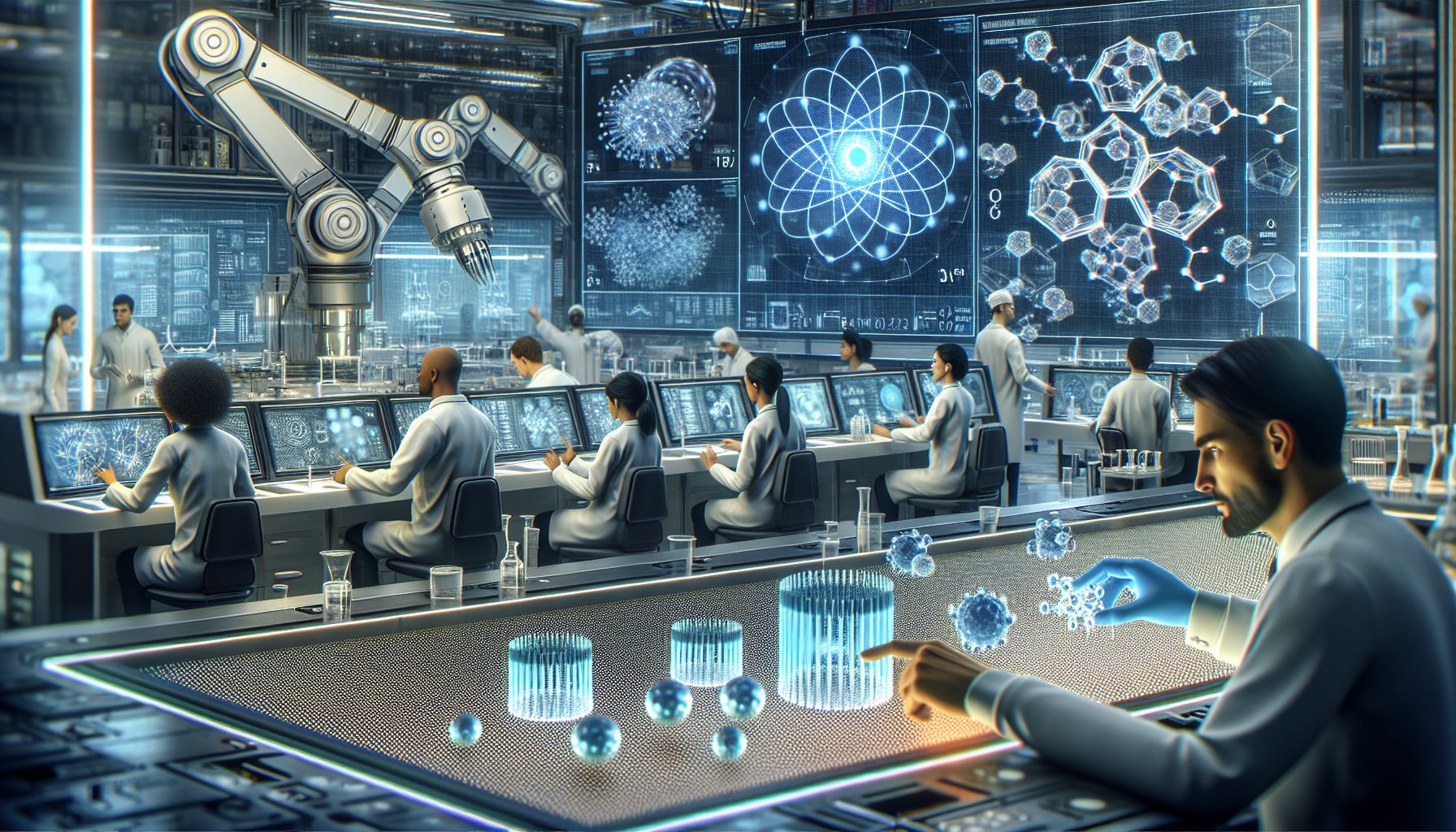

How Technology Is Revolutionizing Pharmaceutical Products
In today’s era of rapid technological advancements, it is no surprise that the field of pharmaceuticals has also benefited greatly. From drug discovery to patient care, technology plays a pivotal role in revolutionizing pharmaceutical products. The integration of technology has not only increased efficiency but has also paved the way for groundbreaking innovations. Let’s explore some of the ways technology has transformed the pharmaceutical industry.
Drug Discovery
The process of discovering new drugs is often time-consuming and expensive. However, technology has made this journey much smoother for pharmaceutical companies. High-throughput screening, for instance, enables the screening of thousands of compounds against a specific target in a short period. This technology has accelerated the drug discovery timeline and increased the efficiency of identifying potential candidate molecules for further development. Coupled with machine learning algorithms, researchers can analyze large datasets and make more accurate predictions on the efficacy and safety of new drugs.
Manufacturing and Quality Control
Pharmaceutical manufacturing has greatly benefited from advancements in technology. Automated systems and robotics have improved the efficiency and accuracy of production lines, reducing the chance of errors and contamination. Additionally, real-time monitoring systems have been implemented to ensure the environmental conditions during manufacturing are optimal for maintaining the quality of drugs. This integration of technology has not only improved the consistency of pharmaceutical products but has also enhanced patient safety.
Personalized Medicine
One of the most promising transformations brought about by technology is the concept of personalized medicine. DNA sequencing technologies enable healthcare professionals to analyze a patient’s genetic makeup. This information can then be used to tailor treatments to individual patients, increasing the effectiveness of medications while minimizing side effects. Furthermore, wearable devices and health monitoring apps enable patients to track their health parameters, allowing healthcare providers to make data-driven decisions. This synergy between technology and pharmaceuticals has the potential to revolutionize patient care and improve treatment outcomes.
Remote Healthcare
The advent of telemedicine has allowed millions of people to access healthcare remotely, regardless of their geographical location. Patients can consult with healthcare professionals through video calls, access their medical records, and even receive prescriptions without visiting a physical clinic. This technology has not only provided convenience and accessibility but has also helped reduce the burden on healthcare systems, especially during a global pandemic. Remote healthcare is particularly beneficial for individuals with chronic conditions who require regular check-ups and medication refills.
Conclusion
Technology has undoubtedly transformed the pharmaceutical industry, from accelerating drug discovery to enabling personalized medicine and remote healthcare. Pharmaceutical companies are leveraging technological advancements to develop innovative and more effective drugs. These advancements are not only improving patient outcomes but also making healthcare more accessible and efficient. As technology continues to evolve, we can expect even more groundbreaking transformations in the field of pharmaceutical products, enhancing the well-being of millions around the world.
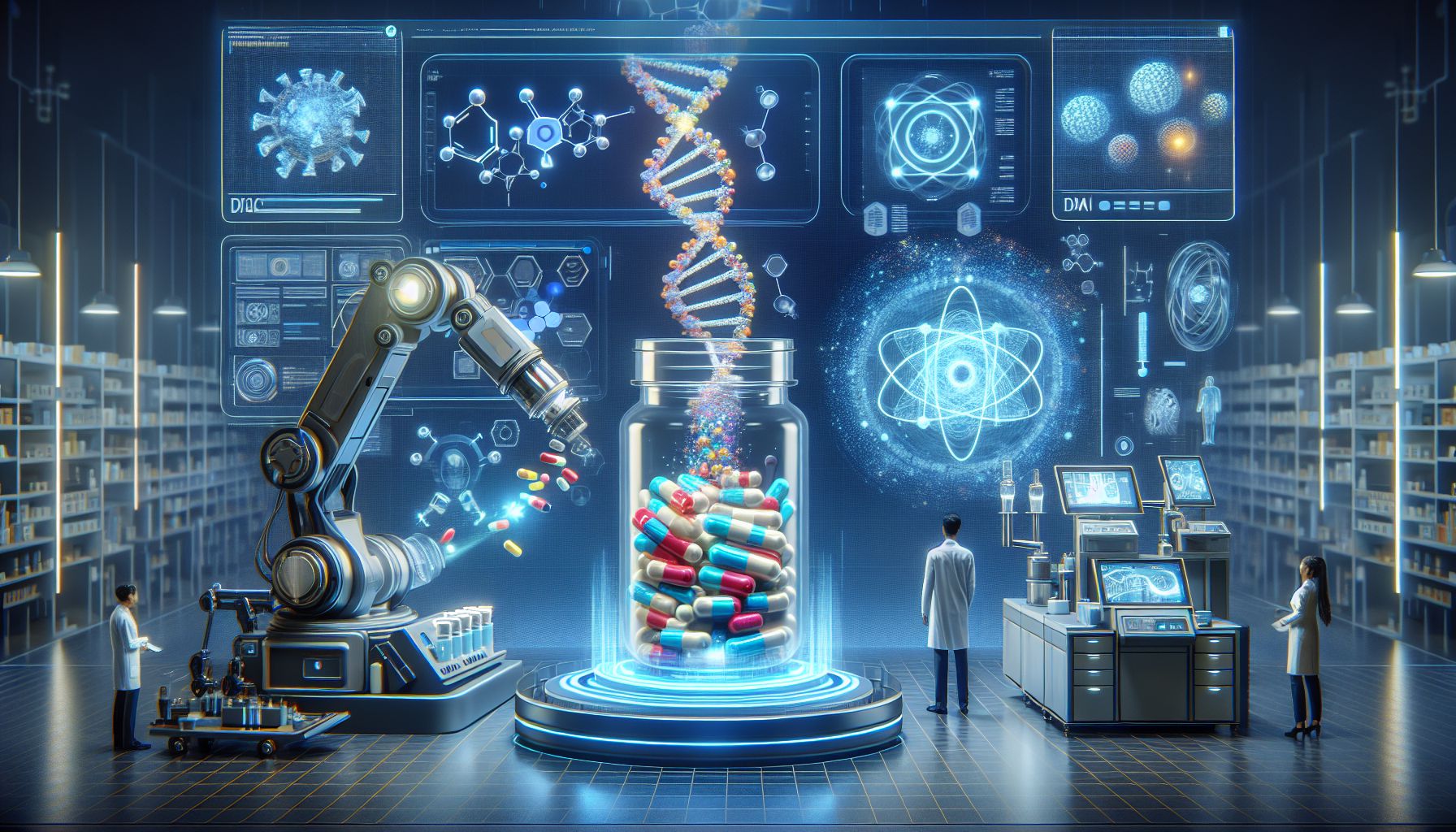
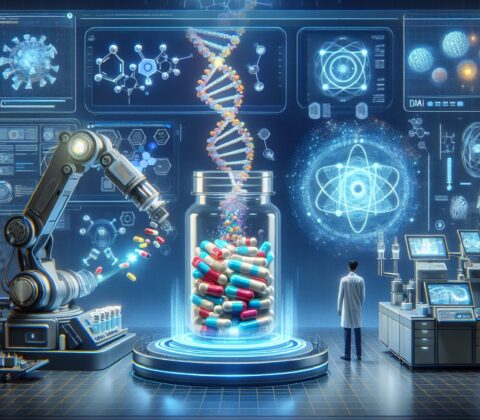
The Intersection of Technology and Pharmaceutical Products
Technology has revolutionized countless industries, and the pharmaceutical sector is no exception. Over the years, the marriage of technology and pharmaceutical products has paved the way for groundbreaking advancements in medical treatment, drug discovery, and patient care. From robotic surgery to personalized medicine, these collaborations have changed the face of healthcare as we know it.
The Power of Data in Drug Development
One of the most significant contributions of technology to the pharmaceutical field is the management and analysis of vast amounts of data. With the aid of innovative software and algorithms, researchers can now comb through extensive databases to identify promising molecules for drug development. These applications not only save valuable time but also improve the efficiency of the entire drug discovery process.
Moreover, advanced analytics and machine learning algorithms enable scientists to predict potential drug interactions, analyze clinical trial data, and even foresee adverse reactions. By harnessing the power of data, pharmaceutical companies can make more informed decisions, streamline research efforts, and expedite the development of life-saving medications.
The Rise of Telemedicine
Telemedicine, a product of the digital age, has gained significant traction in recent years. This technology allows patients to consult with healthcare providers remotely, eliminating the need for in-person visits. Through video calls, instant messaging, and remote monitoring devices, individuals can access medical expertise without leaving the comfort of their homes.
Apart from providing convenience, telemedicine has also proven valuable during critical periods such as the ongoing global pandemic. It allows individuals to receive medical advice, prescriptions, and follow-up care without the risk of potential exposure to infectious diseases. The integration of technology and pharmaceutical products in telemedicine has revolutionized the way healthcare is accessed and delivered, particularly in remote areas with limited access to medical facilities.
The Role of Robotics in Surgery
Robot-assisted surgery has risen as a breakthrough technology in the healthcare industry. This innovative approach allows surgeons to perform complex procedures with greater precision and control. By utilizing robotic systems and sophisticated imaging techniques, surgical interventions become minimally invasive, resulting in reduced scarring, faster recovery times, and improved patient outcomes.
These robotic systems provide surgeons with enhanced visualization, dexterity, and flexibility, enabling them to navigate delicate procedures with greater ease. Not only do robots enhance the capabilities of the surgeon, but they also integrate data analytics and machine learning algorithms to assist in real-time decision-making during surgeries. As a result, patients experience reduced pain, minimized complications, and shorter hospital stays.
Conclusion
The integration of technology and pharmaceutical products has undeniably transformed the healthcare landscape. From data-driven drug discovery to telemedicine and robotic surgery, technology plays a pivotal role in improving patient care, enhancing treatment outcomes, and advancing medical research boundaries. As technology continues to evolve, the potential for further collaboration between these industries is boundless, bringing us closer to a future of more effective, personalized, and accessible healthcare.
The Intersection of Technology and Pharmaceutical Products
Technology has transformed every aspect of our lives, and the field of pharmaceutical products is no exception. As advancements continue to revolutionize the healthcare industry, the integration of technology has brought about significant changes in the way medications are developed, manufactured, and administered. This marriage between technology and pharmaceutical products has opened new avenues for innovation, efficiency, and patient care.
Manufacturing and Quality Assurance
One of the most apparent areas where technology has had a profound impact in the pharmaceutical industry is in the manufacturing process. Automation and robotics have replaced manual labor, allowing for higher precision and productivity in the production of medications. These technologies have significantly reduced the risk of human error, ensuring consistent quality and safety of pharmaceutical products.
The implementation of advanced software systems has also revolutionized quality assurance processes. By utilizing artificial intelligence and machine learning algorithms, pharmaceutical companies can identify potential issues and deviations in real-time. This not only guarantees the production of high-quality medications but also allows for swift corrective action, minimizing any potential harm to consumers.
Research and Development
The integration of technology in the pharmaceutical industry has expedited the research and development (R&D) process, leading to the discovery of life-saving medications at a faster pace. High-performance computing and data analysis tools enable scientists to process massive amounts of data, accelerating drug discovery and development. Additionally, genetic sequencing technologies have allowed for personalized medicine, tailoring treatments to individual patients based on their genetic makeup.
Furthermore, technology has facilitated collaboration and knowledge sharing among researchers. Virtual reality and augmented reality tools enable scientists from different parts of the world to collaborate in real-time, enhancing the R&D process. This exchange of expertise has led to breakthroughs in finding new drug targets and understanding diseases more profoundly.
Patient Care and Monitoring
Technology has also had a significant impact on patient care and monitoring. The development of innovative medical devices and wearables has allowed patients to actively participate in their own healthcare. From insulin pumps to smart inhalers and continuous glucose monitors, these devices enable individuals to manage chronic conditions more effectively and make informed decisions about their treatment.
Moreover, advancements in telemedicine have eliminated physical barriers, enabling healthcare professionals to remotely monitor and treat patients. This has proven particularly vital in rural areas where access to medical specialists may be limited. Telehealth has also become increasingly necessary in times of global crises, such as the recent COVID-19 pandemic, where social distancing measures have restricted in-person medical consultations.
Conclusion
The integration of technology in pharmaceutical products has transformed the industry in remarkable ways. From manufacturing to research and development, and patient care, technology has improved efficiency, accuracy, and patient outcomes. As technology continues to evolve, we can expect even more groundbreaking innovations that will revolutionize the pharmaceutical industry, ultimately enhancing the quality of healthcare and improving the lives of patients worldwide.
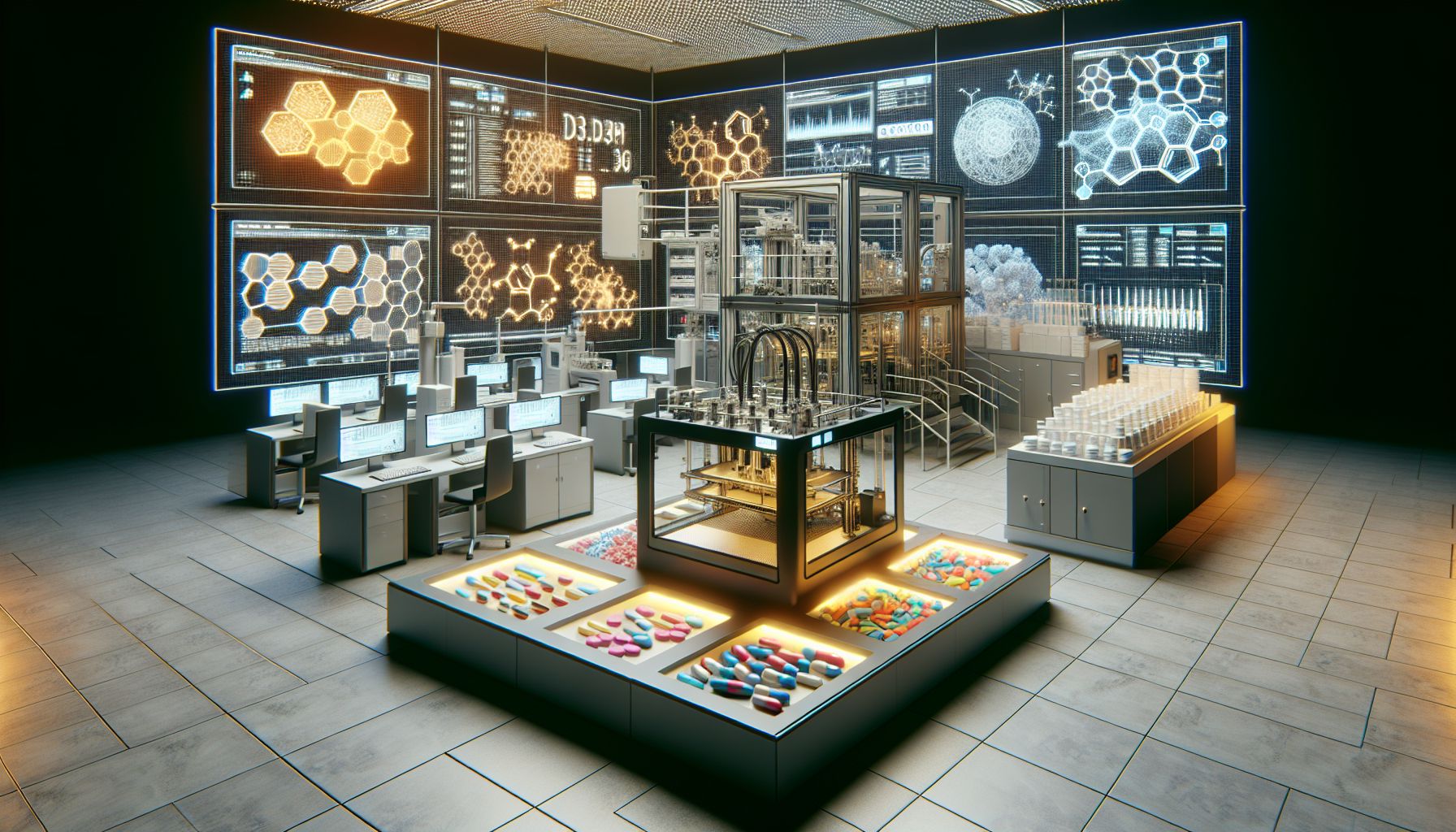
The Intersection of Technology and Pharmaceutical Products
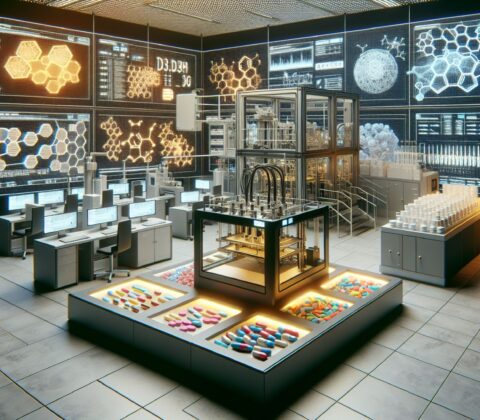
In today’s ever-evolving world, the intersection of technology and pharmaceutical products has paved the way for groundbreaking advancements in healthcare. From the use of artificial intelligence to the development of innovative drug delivery systems, technology is revolutionizing the pharmaceutical industry. In this article, we delve into how these two industries are collaborating to improve patient care, enhance drug development, and shape the future of medicine.
Technology Enhancing Drug Development
The traditional drug development process can be time-consuming and costly. However, with the aid of technology, the process has become more efficient and precise. Machine learning algorithms can analyze vast amounts of data to predict drug candidates’ efficacy and side effects. This enables researchers to focus their efforts on the most promising compounds, potentially saving years in the development timeline.
Moreover, technology has accelerated the process of clinical trials by streamlining patient recruitment and data collection. Electronic health records and wearables allow researchers to collect real-time patient data, making trials more accurate and efficient. This not only speeds up drug development but also ensures that medications are tailored to individual patients’ needs.
Improving Patient Care through Digital Health
The rise of innovative digital health solutions is transforming how patients manage their conditions. Mobile applications and wearable devices make it easier for patients to monitor their health, track symptoms, and adhere to medication regimens. This real-time data empowers healthcare providers to make informed treatment decisions.
Beyond personal health tracking, technology is also enhancing patient-doctor communication. Telemedicine, for example, enables doctors to consult patients remotely, breaking barriers of distance and accessibility. This not only improves patients’ convenience but also ensures that they receive timely medical advice and support.
Innovative Drug Delivery Systems
Technology has paved the way for novel drug delivery systems that can improve medication effectiveness and patient compliance. Nanotechnology, for instance, allows for the development of nanocarriers that can target specific cells or organs, increasing drug absorption and reducing side effects.
Furthermore, the Internet of Things (IoT) is revolutionizing medication adherence through smart packaging and connected devices. Smart pill bottles can remind patients to take their medication and alert healthcare providers if doses are missed, ensuring proper adherence and preventing complications.
Conclusion
The convergence of technology and pharmaceutical products has undoubtedly transformed the healthcare landscape. From improving drug development processes to enhancing patient care and revolutionizing drug delivery systems, technology is vital in shaping the future of medicine. As technology continues to advance, we can expect even more exciting collaborations between these two industries, leading to further breakthroughs that benefit patients worldwide.


The Interplay between Technology and Pharmaceutical Products
Technology has undeniably revolutionized various industries, ranging from communication and entertainment to transportation and finance. One domain where the impact of technology is particularly evident is the pharmaceutical industry. The fusion of technology and pharmaceutical products has led to advancements that have transformed the way diseases are diagnosed, treated, and prevented.
The Rise of Telemedicine and Digital Health
One of the most significant contributions of technology to pharmaceutical products is the emergence of telemedicine and digital health solutions. With the increasing availability and accessibility of smartphones, tablets, and other digital devices, individuals now have the ability to connect with healthcare professionals from the comfort of their own homes. Telemedicine allows for remote consultations and diagnoses, reducing the burden on healthcare facilities and enhancing the reach of quality healthcare.
Furthermore, wearable devices equipped with advanced sensors have become increasingly popular in recent years. These devices monitor various health metrics, such as heart rate, blood pressure, and sleep patterns, providing individuals with a comprehensive view of their well-being. Moreover, these devices allow healthcare professionals to monitor patients remotely, enabling early intervention and personalized care.
The Role of Big Data and Artificial Intelligence
The integration of technology in pharmaceutical products has also paved the way for the utilization of big data and artificial intelligence (AI). By collecting vast amounts of patient data, pharmaceutical companies and researchers can gain invaluable insights into disease patterns, treatment outcomes, and drug efficacy. This data-driven approach allows for the development of more targeted and personalized treatments, improving patient outcomes and reducing potential side effects.
Moreover, AI-powered algorithms have proven instrumental in expediting the drug discovery and development process. By analyzing vast amounts of biomedical information and predicting molecular interactions, AI can identify potential drug candidates more efficiently. This not only accelerates the research and development timeline but also reduces costs associated with unsuccessful trials.
Enhanced Drug Delivery Systems
Technology has also revolutionized the way pharmaceutical products are delivered to the body. Controlled drug delivery systems, such as transdermal patches and implantable devices, have been developed to ensure precise dosing and controlled release of medications over an extended period. These systems not only improve patient compliance but also enhance therapeutic outcomes.
Additionally, advancements in nanotechnology have given rise to novel drug delivery platforms. Nanostructured materials and nanoparticles can be utilized to encapsulate and transport drugs to target specific cells or tissues within the body more accurately. This targeted approach minimizes systemic toxicity while maximizing the drug’s therapeutic effects.
Conclusion
The entwining of technology and pharmaceutical products has profoundly impacted the healthcare landscape. From telemedicine and wearable devices to big data analysis and AI-powered drug discovery, technology continues to play a vital role in shaping the pharmaceutical industry. As advancements persist, we can expect further breakthroughs that will revolutionize disease management and drug development, ultimately leading to better health outcomes for individuals worldwide.
The Impact of Technology on Pharmaceutical Products
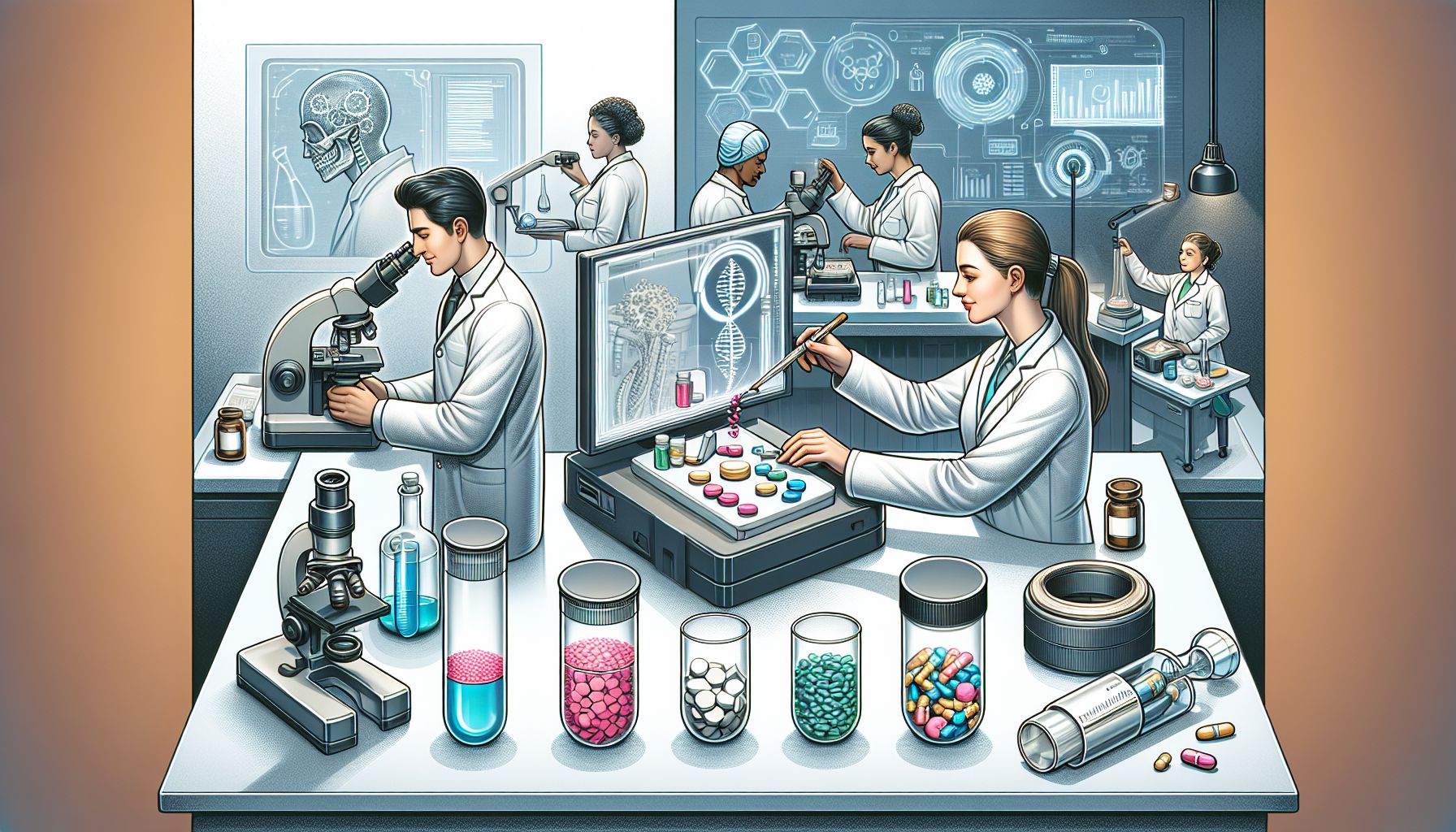
Technology has revolutionized various industries, and the pharmaceutical sector is no exception. The combination of science and technology has led to significant advancements in drug discovery, development, manufacturing, and patient care. These innovations have not only improved the efficiency and effectiveness of pharmaceutical products but also paved the way for groundbreaking discoveries.
A Paradigm Shift in Drug Discovery and Development
In the past, drug discovery and development was a lengthy and challenging process. However, with technological advancements, this process has become faster and more accurate. High-throughput screening techniques, which use automation and robotics, allow scientists to test a vast number of chemical compounds efficiently. This accelerates the identification of potential drug targets and leads to more effective drug candidates.
Virtual drug development has also gained prominence thanks to technology. Computer simulations and modeling help scientists predict drug behavior, potentially reducing the need for costly and time-consuming laboratory experimentation. This has significantly improved the success rate of drug discovery, making it more economical and less reliant on animal testing.
Enhancing Manufacturing and Quality Control
Pharmaceutical manufacturing requires precise measurements and rigorous quality control to ensure the safety and efficacy of products. Technology has played a vital role in streamlining this process. Automated systems for manufacturing and packaging enable faster production rates while ensuring accuracy and minimizing human error.
In addition, real-time monitoring systems have become prevalent in pharmaceutical manufacturing. These technology-driven solutions continuously monitor critical parameters such as temperature, pressure, and pH levels, ensuring that the manufacturing process remains within the desired specifications. Any deviations can be promptly identified and corrected, maintaining the highest standards of quality control.
Improving Patient Care and Treatment
Technology has brought significant advancements to patient care and treatment, making healthcare more personalized and efficient. Wearable devices and mobile applications enable patients to monitor their health in real-time. For instance, smartwatches can track heart rate, sleep patterns, and physical activity, providing valuable data to healthcare professionals. This data allows doctors to make informed decisions tailored to individual patients’ needs.
Pharmaceutical companies have also embraced telemedicine, which utilizes technology to provide remote medical consultations. Patients can connect with healthcare professionals through video calls or secure messaging platforms, eliminating the need for in-person visits for routine check-ups or minor concerns. Telemedicine has enhanced access to healthcare services, especially for individuals living in remote areas or those with mobility limitations.
Conclusion
The integration of technology with pharmaceutical products has transformed the industry, bringing numerous benefits that were unimaginable in the past. From speeding up drug discovery and enhancing manufacturing efficiency to improving patient care through wearables and telemedicine, technology has propelled the field forward.
As technology continues to evolve, the pharmaceutical industry is likely to witness further advancements. From gene editing and personalized medicine to artificial intelligence-driven drug development, the future holds immense potential. With ethical considerations and continuous innovation, the collaboration between technology and pharmaceutical products will undoubtedly shape a healthier and brighter tomorrow.