The Impact of Technology on Pharmaceutical Products
In recent years, technology has played a significant role in revolutionizing the pharmaceutical industry. From drug discovery to manufacturing to distribution, technology has made pharmaceutical products more efficient, safe, and accessible. This marriage of technology and pharmaceuticals has led to groundbreaking advancements in medicine and healthcare, ultimately benefiting patients around the world.
One of the most significant ways technology has impacted pharmaceutical products is through the process of drug discovery. With the help of machine learning algorithms and artificial intelligence, scientists are able to analyze vast amounts of data to identify potential drug candidates more quickly and effectively than ever before. This has resulted in the development of new and innovative medications for a wide range of diseases, from cancer to rare genetic disorders.
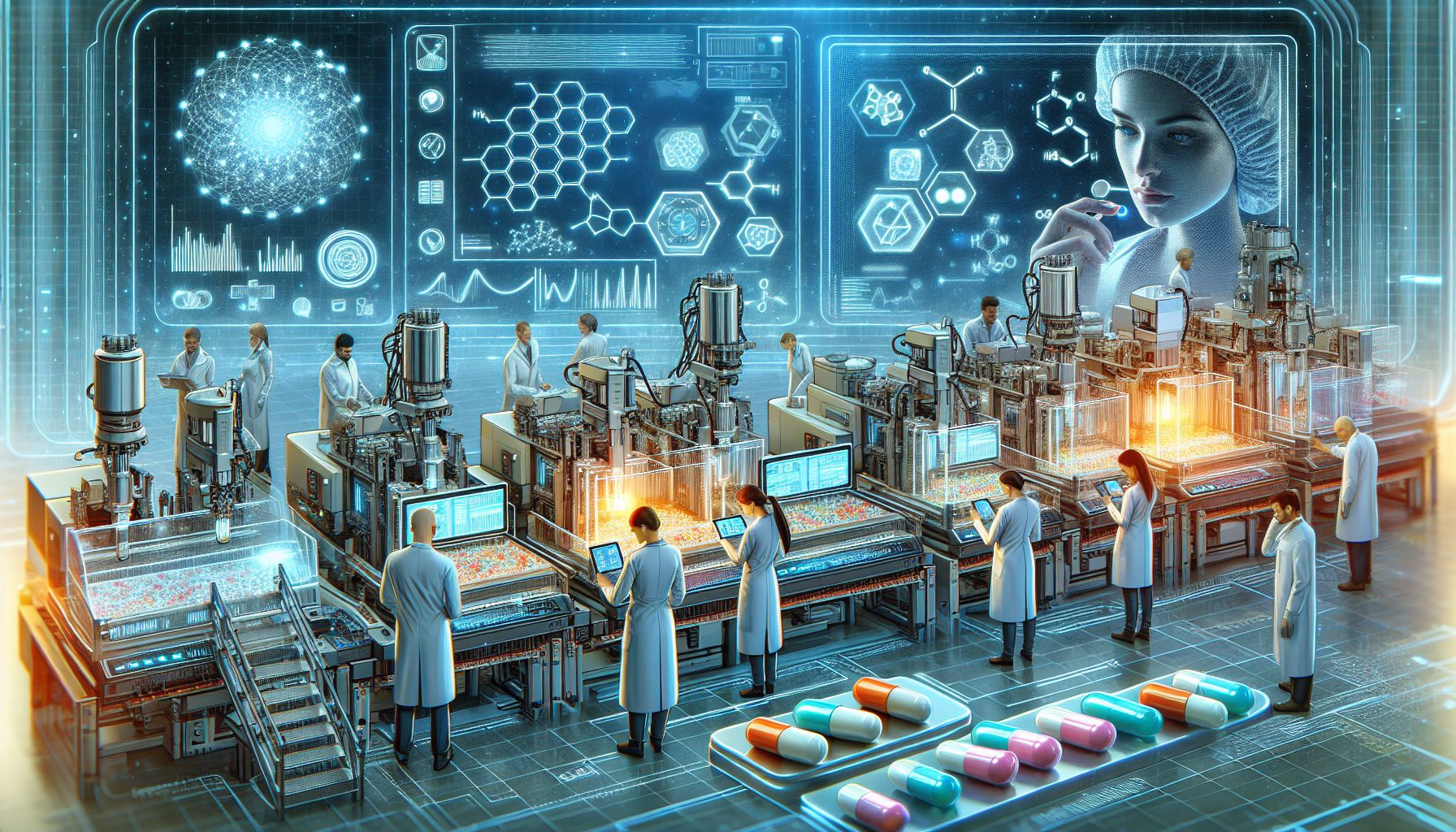
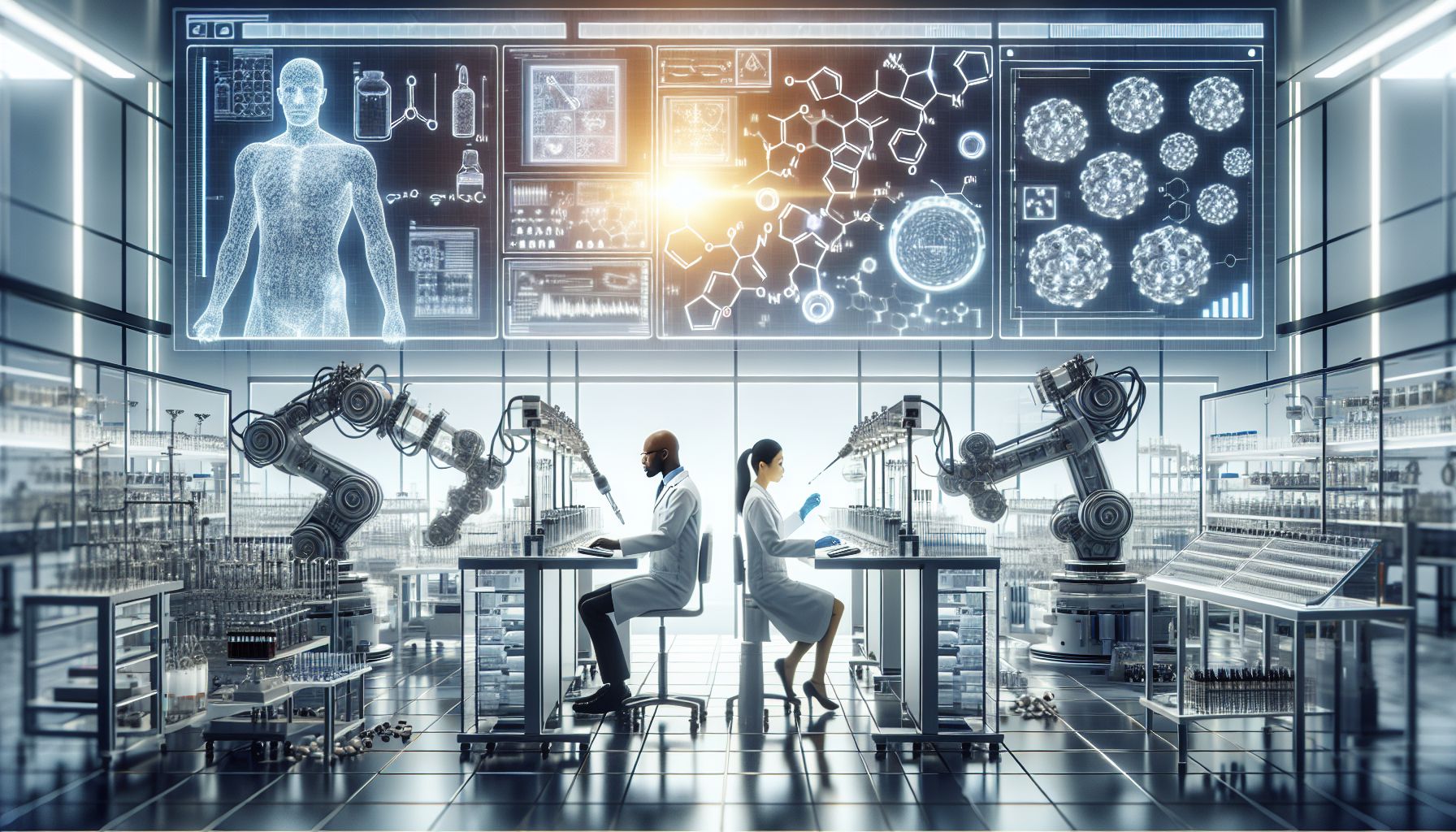
Furthermore, technology has greatly improved the manufacturing process of pharmaceutical products. Automation and robotics have made production more efficient and precise, leading to higher quality medications and reduced costs. Additionally, advancements in digital health monitoring devices and wearable technology have allowed for more personalized and targeted drug delivery, optimizing the effectiveness of treatments for individual patients.
In terms of distribution, technology has made pharmaceutical products more accessible to patients all over the world. Online pharmacies and telemedicine services have made it easier for individuals to order medications and consult with healthcare professionals remotely. This has been particularly beneficial for patients in rural or underserved areas who may have difficulty accessing traditional brick-and-mortar pharmacies.
Despite the many benefits of technology in the pharmaceutical industry, there are also challenges and concerns that must be addressed. Issues such as data privacy, cybersecurity, and regulatory compliance continue to be major areas of focus as technology continues to evolve. Additionally, the high cost of implementing and maintaining advanced technology in the pharmaceutical sector can be a barrier for smaller companies and startups.
In conclusion, the impact of technology on pharmaceutical products has been significant and transformative. From drug discovery to manufacturing to distribution, technology has improved efficiency, quality, and accessibility in the pharmaceutical industry. As technology continues to advance, we can expect even more groundbreaking advancements in medicine and healthcare that will ultimately benefit patients worldwide. However, it is important to address the challenges and concerns associated with technology in order to ensure that pharmaceutical products remain safe, effective, and accessible for all.
The Intersection of Technology and Pharmaceuticals: Advancements in Healthcare
In recent years, technology has played an increasingly important role in the development and distribution of pharmaceutical products. From advanced research methods to more efficient supply chains, the integration of technology in the pharmaceutical industry has led to significant advancements in healthcare.
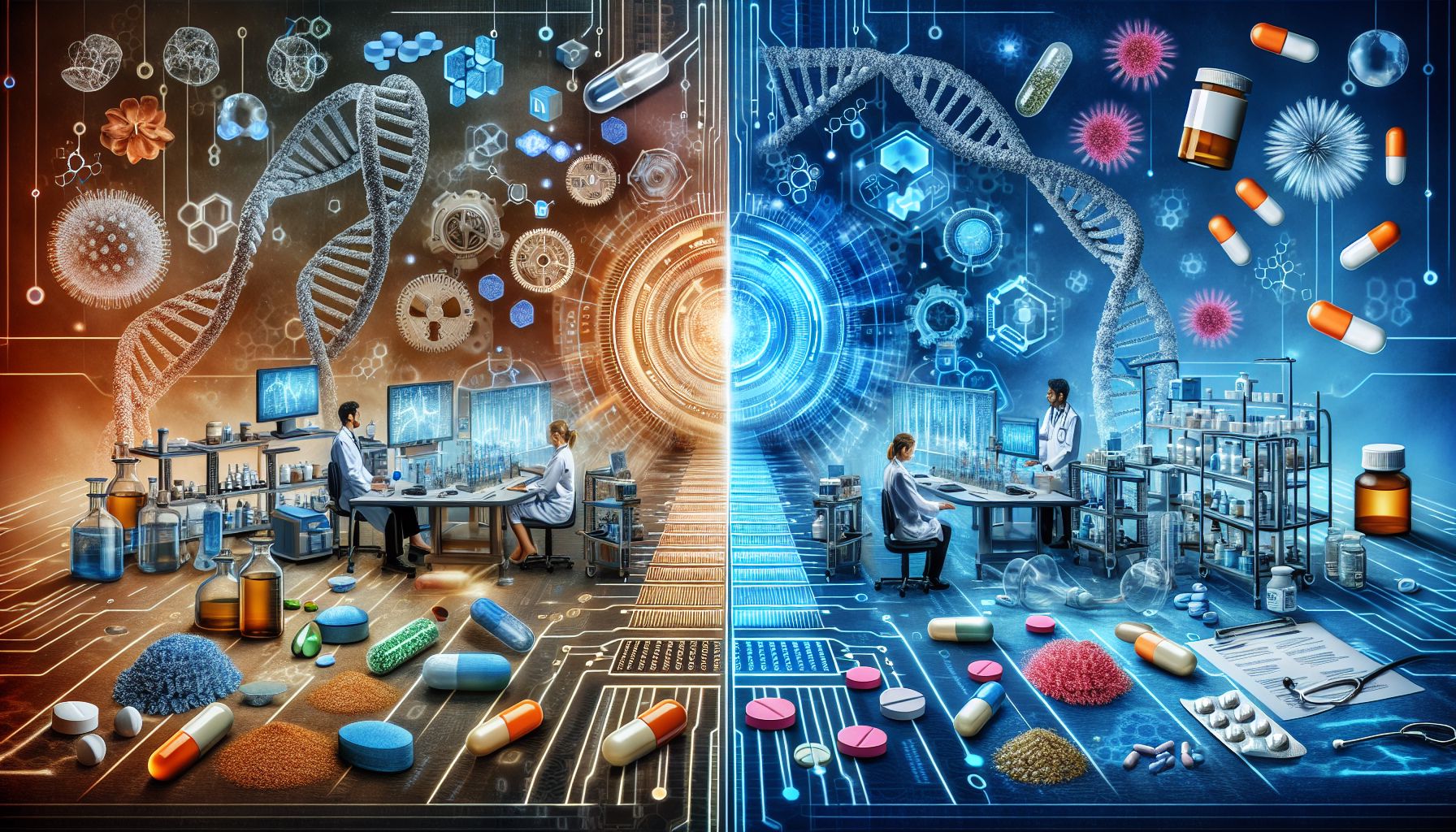
One of the most impactful ways in which technology has influenced the pharmaceutical sector is through the use of artificial intelligence (AI) and machine learning. These advanced technologies have revolutionized the drug discovery process by analyzing large datasets to identify potential drug candidates more quickly and accurately than traditional methods. This has not only accelerated the pace of innovation but also reduced the cost of research and development for pharmaceutical companies.
Furthermore, technology has also improved the efficiency of clinical trials, which are crucial for testing the safety and efficacy of new drugs. Digital platforms and wearable devices now allow for real-time monitoring of patients, enabling researchers to collect data more effectively and make informed decisions about the progress of a trial. This has led to faster and more reliable results, ultimately speeding up the approval process for new pharmaceutical products.
In addition to research and development, technology has also transformed the way pharmaceutical products are manufactured and distributed. Automation and robotics have optimized production processes, ensuring consistent quality and reducing the risk of human error. Furthermore, advancements in supply chain management software have streamlined the distribution of pharmaceutical products, allowing for better tracking and monitoring of inventory levels, expiration dates, and temperatures.
Moreover, technology has also played a crucial role in improving patient outcomes and adherence to medication regimens. Mobile apps and telemedicine platforms have made it easier for patients to access information about their medications, set reminders for taking them, and communicate with healthcare providers. This has led to increased medication adherence and better overall health outcomes for patients.
In conclusion, the integration of technology in the pharmaceutical industry has revolutionized the way healthcare is delivered. From drug discovery to manufacturing to patient care, advancements in technology have improved efficiency, safety, and effectiveness in the development and distribution of pharmaceutical products. As technology continues to evolve, we can expect even more innovative solutions that will further enhance the quality of healthcare for patients around the world.
The Intersection of Technology and Pharmaceutical Products
From the invention of the microscope to the development of DNA sequencing, technology has always played a crucial role in the advancement of pharmaceutical products. As the fields of science and technology continue to evolve, we are seeing an increasing convergence of the two disciplines, leading to groundbreaking innovations in the healthcare industry.
One of the most notable ways in which technology has revolutionized the pharmaceutical sector is through the use of artificial intelligence (AI). AI algorithms can analyze vast amounts of data to identify potential drug targets, predict patient responses to treatment, and even design new molecules with desired properties. This has greatly accelerated the drug discovery process, allowing researchers to develop new treatments more quickly and efficiently than ever before.
Another area where technology is making a significant impact is in the realm of personalized medicine. Thanks to advances in genomics, researchers are now able to sequence an individual’s DNA and use that information to tailor treatments to their specific genetic makeup. This has led to the development of targeted therapies that are more effective and have fewer side effects than traditional, one-size-fits-all approaches.
In addition to AI and genomics, other technologies such as 3D printing, nanotechnology, and wearable devices are also transforming the pharmaceutical landscape. 3D printing technology, for example, is being used to create customized drug delivery systems that can release medications at a controlled rate or target specific areas of the body. Nanotechnology is enabling the development of nanomedicines that can deliver drugs more efficiently and accurately to diseased tissues. And wearable devices, such as smart drug delivery patches or health monitoring sensors, are improving patient outcomes by providing real-time data on treatment adherence and response.
As technology continues to advance at a rapid pace, the possibilities for innovation in the pharmaceutical industry are seemingly endless. However, with these advancements come new challenges, such as data privacy concerns, regulatory hurdles, and ethical considerations. It is crucial for researchers, policymakers, and industry stakeholders to work together to address these issues and ensure that the benefits of technology in healthcare are maximized while minimizing potential risks.
In conclusion, the intersection of technology and pharmaceutical products has the potential to revolutionize the way we develop, deliver, and personalize treatments for a wide range of diseases. By harnessing the power of AI, genomics, and other cutting-edge technologies, we can improve patient outcomes, reduce healthcare costs, and ultimately save lives. The future of medicine is here, and it is being shaped by the convergence of science and technology.
The Intersection of Technology and Pharmaceutical Products
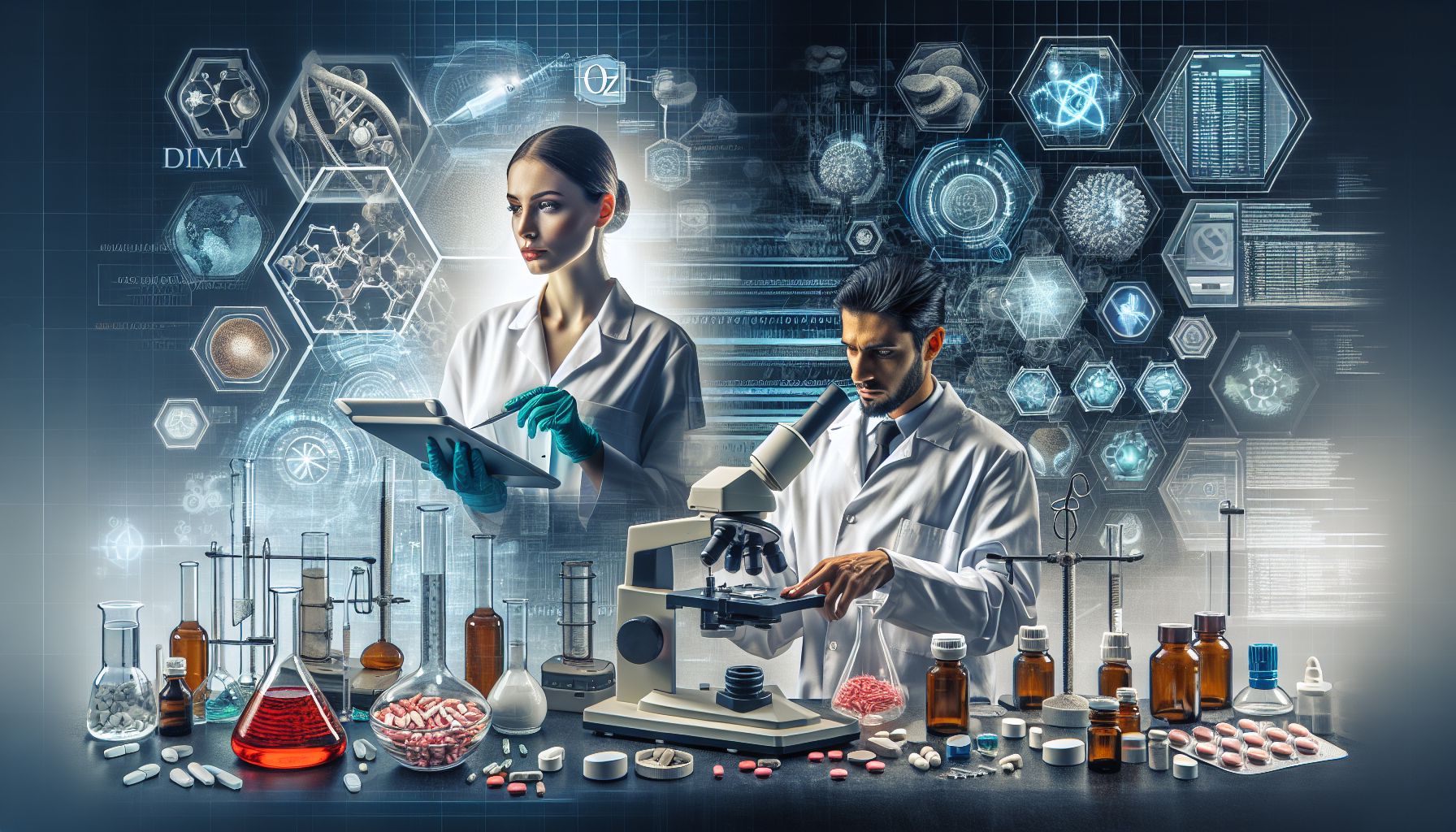
In recent years, we have seen a significant rise in the use of technology in the pharmaceutical industry. From the development of new drugs to the manufacturing process, technology has played a crucial role in improving the efficiency and effectiveness of pharmaceutical products. This intersection of technology and pharmaceuticals has paved the way for innovative solutions and advancements in healthcare.
One of the key areas where technology has had a profound impact on pharmaceutical products is in the research and development of new drugs. With the help of advanced data analytics and artificial intelligence, researchers are able to streamline the drug discovery process and identify potential candidates much faster than traditional methods. This not only reduces the time and cost involved in bringing a new drug to market but also increases the likelihood of success.
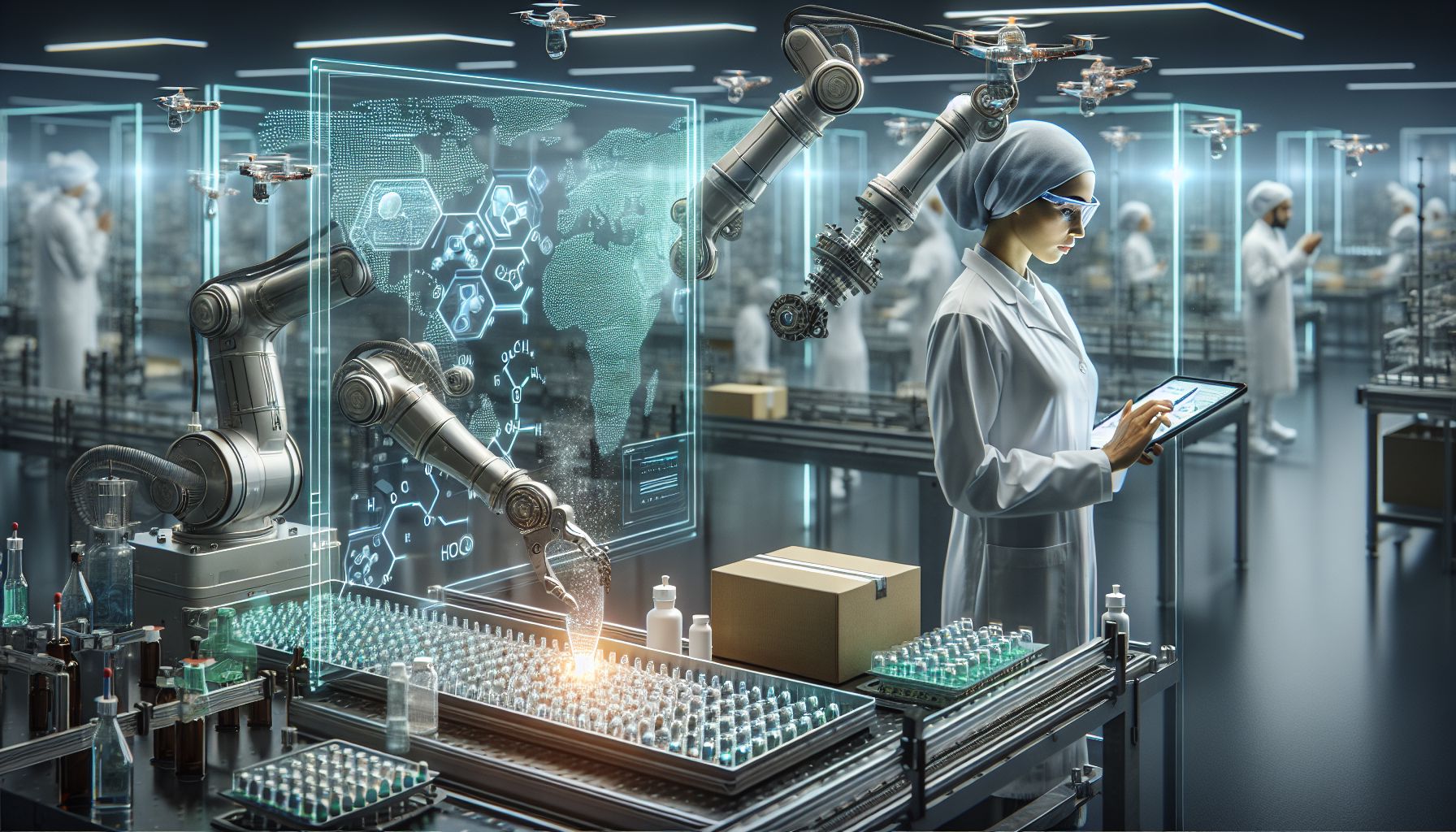
Furthermore, technology has also revolutionized the manufacturing process of pharmaceutical products. Automation and robotics have made it possible to produce drugs in a more precise and consistent manner, ensuring that each batch meets the highest quality standards. This not only improves the efficiency of manufacturing but also helps to reduce the risk of human error.
In addition to research and manufacturing, technology has also transformed the way pharmaceutical products are distributed and monitored. With the advent of digital health platforms and mobile apps, patients now have easier access to information about their medications and can track their usage more effectively. This not only improves patient adherence but also allows healthcare providers to monitor the effectiveness of treatment in real-time.
One of the most exciting developments in this intersection of technology and pharmaceutical products is the rise of personalized medicine. With the use of genetic testing and data analytics, doctors are now able to tailor treatments to individual patients based on their unique genetic makeup. This not only improves patient outcomes but also minimizes the risk of adverse reactions to medication.
Overall, the synergy between technology and pharmaceutical products has ushered in a new era of innovation and progress in the healthcare industry. As technology continues to evolve, we can expect to see even more groundbreaking advancements that will revolutionize the way we develop, manufacture, and distribute pharmaceutical products. The future of healthcare looks brighter than ever, thanks to the power of technology.
The Intersection of Technology and Pharmaceutical Products
In recent years, the pharmaceutical industry has seen a significant shift towards the incorporation of technology into the development and manufacturing of products. This intersection has led to numerous advancements in drug delivery, diagnostics, and overall patient care.
One of the major ways technology has influenced pharmaceutical products is through the development of personalized medicine. By leveraging technologies such as genetic testing and data analytics, pharmaceutical companies are able to tailor treatments to individual patients based on their unique genetic make-up and specific health needs. This personalized approach not only improves patient outcomes but also minimizes the risk of adverse reactions.
Additionally, technology has played a crucial role in enhancing drug delivery systems. From smart pills that can monitor medication adherence to implantable devices that can release controlled doses of drugs, advancements in technology have revolutionized the way pharmaceutical products are administered. These innovative drug delivery systems not only improve patient compliance but also ensure the precise delivery of medications for optimal efficacy.
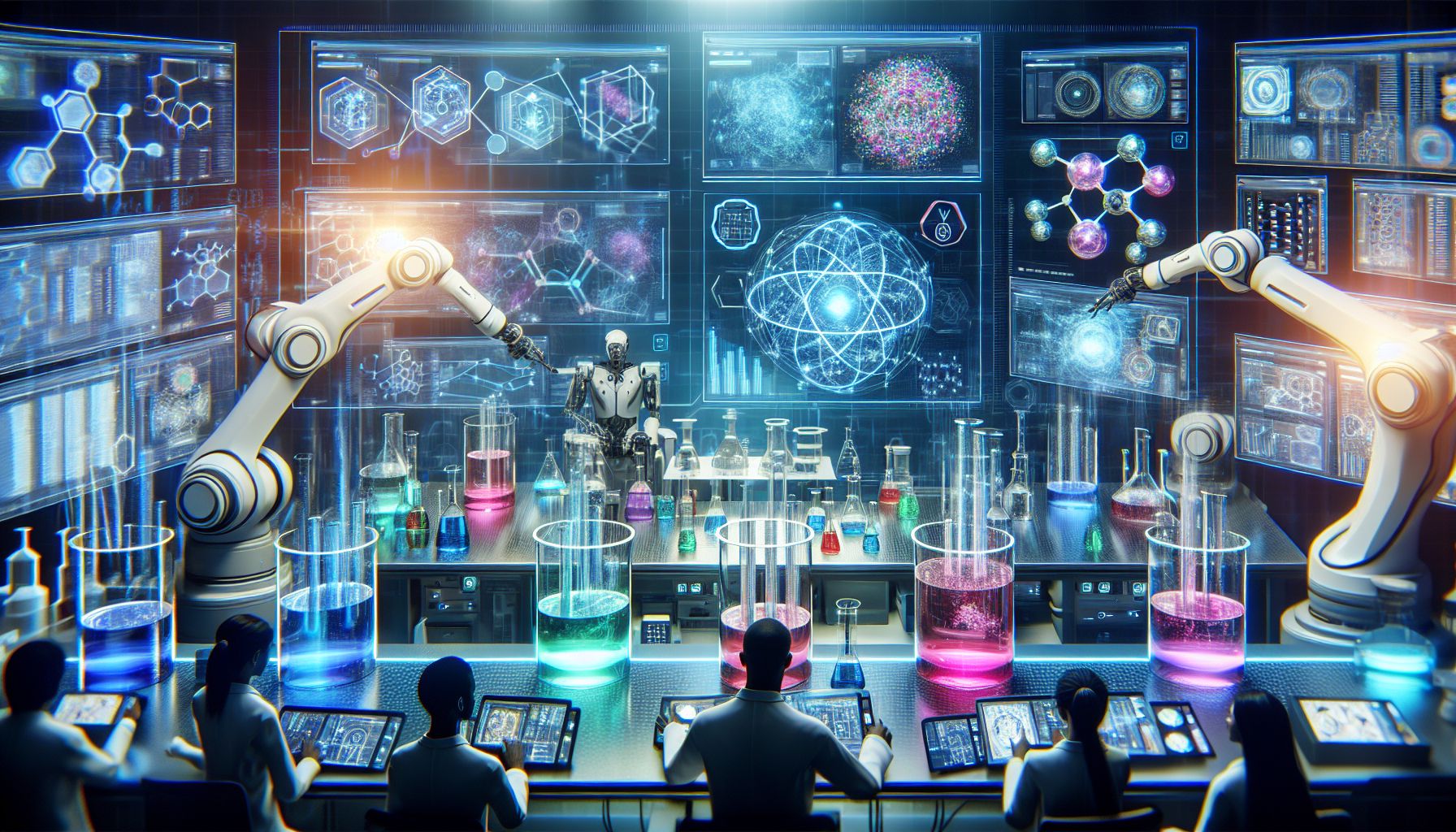
Moreover, the use of artificial intelligence (AI) in pharmaceutical research and development has accelerated the discovery of new drugs and treatments. AI algorithms can sift through vast amounts of data to identify potential drug candidates, speeding up the drug development process significantly. This, in turn, has the potential to bring life-saving medications to market faster and more efficiently.
In the manufacturing process, technology has automated various aspects of pharmaceutical production, leading to increased efficiency and quality control. Robotics and automation have streamlined processes such as drug formulation, packaging, and labeling, reducing the risk of human error and contamination. This automation not only ensures the consistency and reliability of pharmaceutical products but also lowers production costs.
As technology continues to advance, the possibilities for the integration of technology into pharmaceutical products are endless. From 3D printing of personalized medications to the use of virtual reality in patient education, the future of pharmaceutical products looks incredibly promising.
In conclusion, the intersection of technology and pharmaceutical products has opened up new frontiers in the development, delivery, and manufacturing of medications. The integration of technology has not only improved patient outcomes but has also transformed the pharmaceutical industry as a whole. As we look towards the future, it is clear that technology will continue to play a critical role in shaping the pharmaceutical products of tomorrow.
The Intersection of Technology and Pharmaceutical Products
In today’s rapidly evolving world, technology has impacted almost every industry, and the pharmaceutical sector is no exception. The integration of technology into the development, production, and distribution of pharmaceutical products has not only streamlined processes but has also led to significant advancements in medical treatments and therapies.
One of the most significant impacts of technology on pharmaceutical products is the advancement of research and development. With the use of high-tech equipment and computational tools, researchers are able to accelerate the drug discovery process. Computer simulations and modelling allow scientists to predict the efficacy and safety of potential drugs, saving time and resources that would have been spent on unsuccessful clinical trials.
Advancements in technology have also revolutionized the manufacturing of pharmaceutical products. Automated systems and robotics have improved efficiency and accuracy in the production process, ensuring consistent quality in every batch of medication. This, in turn, has led to a reduction in errors and contamination, ultimately increasing patient safety.
In addition to research and manufacturing, technology has also transformed the way pharmaceutical products are distributed and managed. The development of electronic health records and telemedicine platforms have made it easier for healthcare providers to monitor patient compliance and adjust treatment plans accordingly. This real-time data collection not only benefits patients but also allows pharmaceutical companies to gather valuable insights on the effectiveness of their products.
Furthermore, the rise of digital health solutions, such as mobile apps and wearable devices, has empowered individuals to take charge of their own health. These tools can track medication adherence, monitor vital signs, and provide personalized recommendations based on individual health data. With the integration of these technologies, patients can actively participate in their treatment plans and improve health outcomes.
As we continue to witness the convergence of technology and pharmaceutical products, it is clear that the possibilities for innovation are endless. From artificial intelligence and machine learning to 3D printing and personalized medicine, the future holds immense potential for creating more effective and targeted therapies.
In conclusion, the integration of technology into the pharmaceutical industry has led to groundbreaking advancements in research, manufacturing, distribution, and patient care. As we embrace these technological innovations, we can look forward to a future where healthcare is more personalized, efficient, and accessible than ever before. The synergy between technology and pharmaceutical products is driving the industry forward, and the possibilities for improving global health outcomes are limitless.
The Intersection of Technology and Pharmaceutical Products
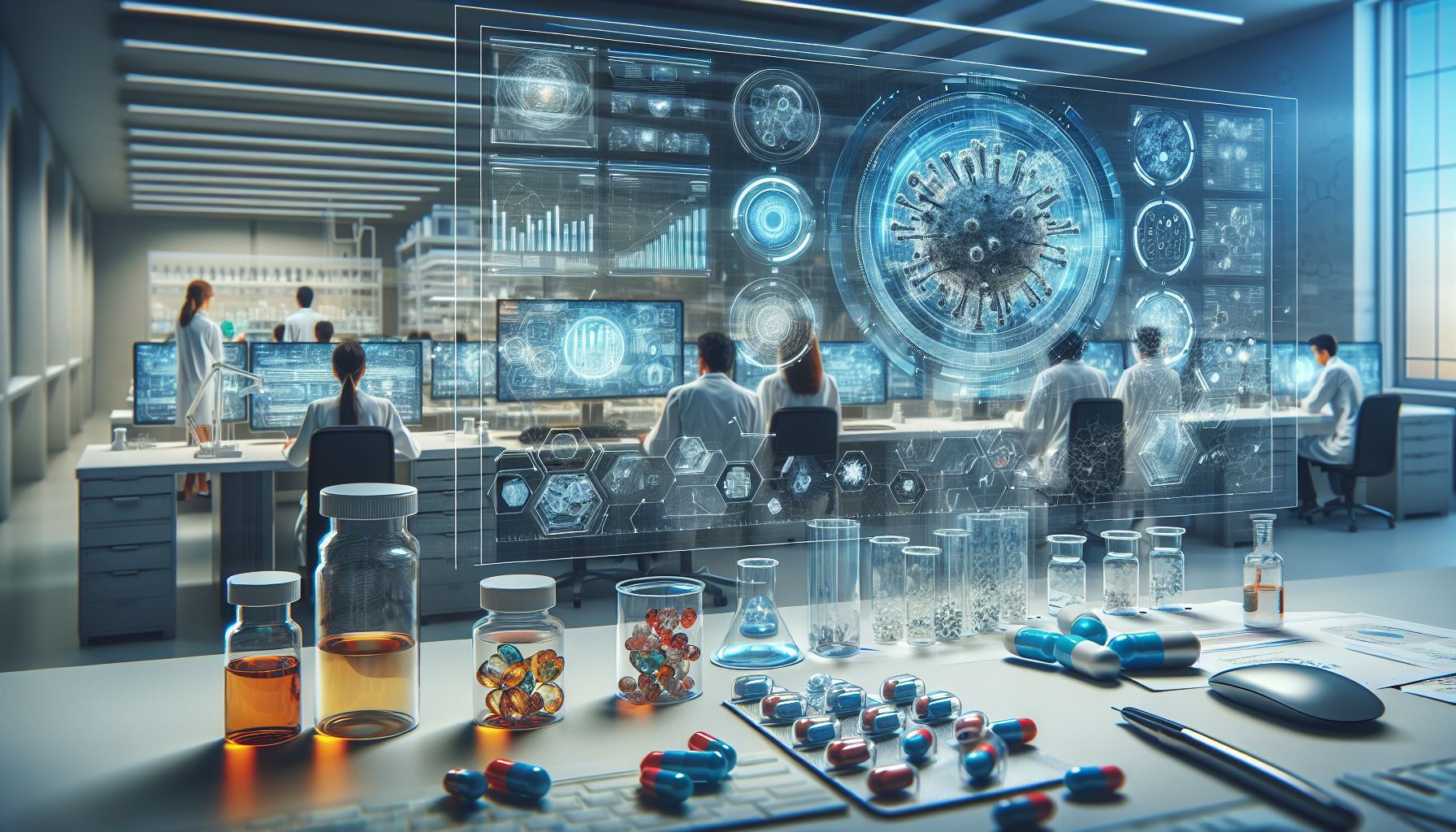
In today’s rapidly evolving world, technology has become increasingly integrated into various sectors, including the pharmaceutical industry. This intersection has led to significant advancements in drug development, manufacturing, distribution, and patient care. The utilization of technology in pharmaceutical products has not only improved efficiency but also revolutionized the way we approach healthcare.
One of the most notable impacts of technology on pharmaceutical products is the development of precision medicine. This approach involves tailoring medical treatment to the individual characteristics of each patient. Through the use of technologies such as genetic testing and data analytics, pharmaceutical companies can create personalized medications that are more effective and have fewer side effects. This personalized approach has the potential to revolutionize the treatment of a wide range of diseases, from cancer to rare genetic disorders.
Additionally, technology has played a crucial role in streamlining the drug development process. Virtual drug trials, artificial intelligence, and machine learning algorithms are just a few examples of how technology is being used to accelerate the research and development of new pharmaceutical products. These advancements not only reduce the time and cost of bringing new drugs to market but also enhance the quality and safety of these medications.
Furthermore, technology has transformed the way pharmaceutical products are manufactured and distributed. Automation, robotics, and blockchain technology are being utilized to improve efficiency and traceability throughout the production and supply chain. This not only ensures the quality of pharmaceutical products but also helps prevent counterfeiting and unauthorized distribution.
In terms of patient care, technology has enabled the development of innovative drug delivery systems. From smart pills that can track medication adherence to wearable devices that monitor vital signs in real-time, these advancements have the potential to improve patient outcomes and quality of life. Additionally, telemedicine and digital health platforms have made it easier for patients to access healthcare services remotely, reducing the burden on traditional healthcare systems.
In conclusion, the integration of technology into the pharmaceutical industry has led to numerous benefits for patients, healthcare providers, and pharmaceutical companies alike. From precision medicine to drug development to patient care, technology has revolutionized the way we approach healthcare and pharmaceutical products. As technology continues to evolve, we can expect even more exciting advancements in the field of pharmaceuticals, ultimately leading to improved health outcomes for individuals around the world.
The Intersection of Technology and Pharmaceutical Products
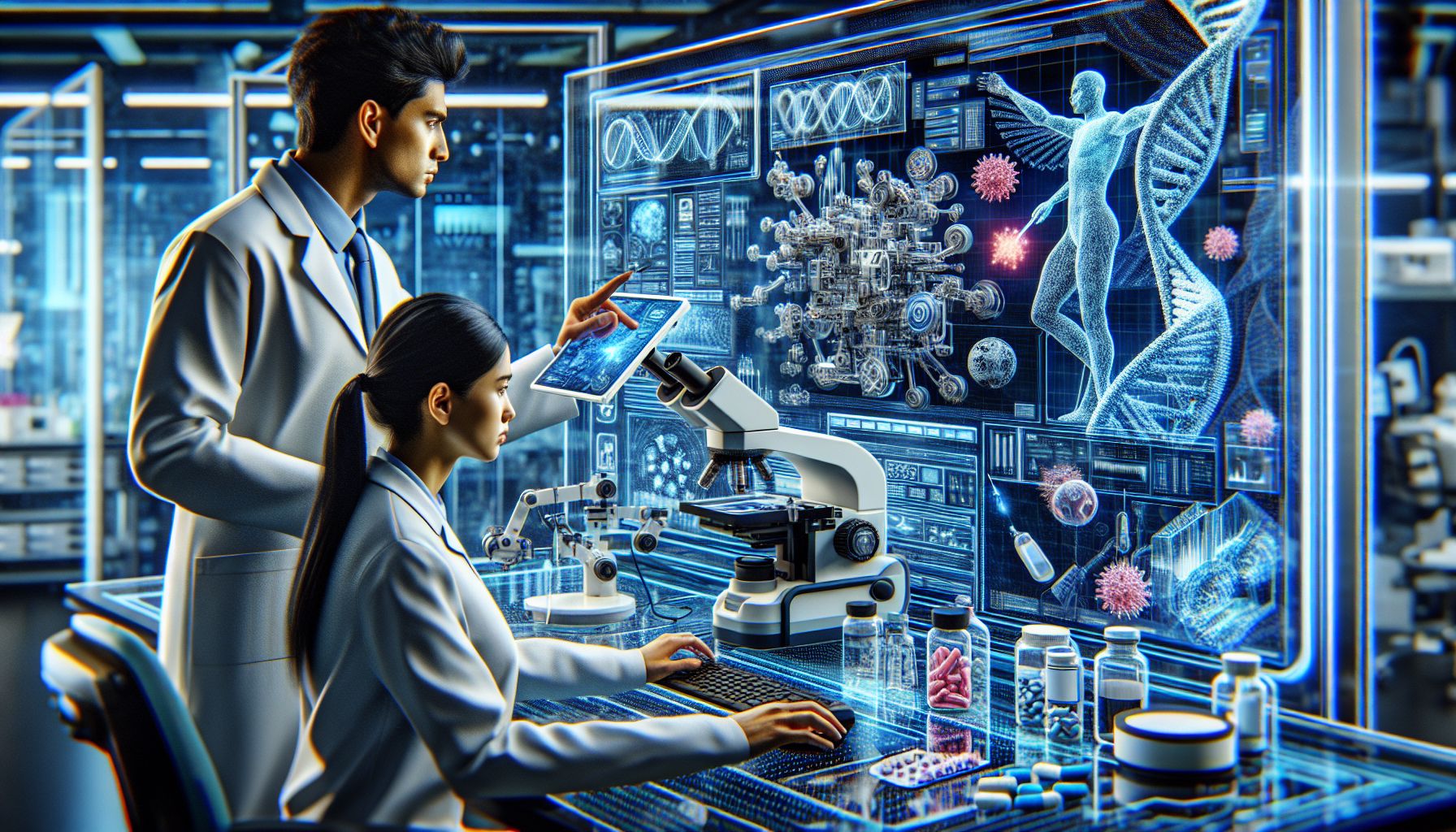
In today’s fast-paced world, technology has revolutionized almost every aspect of our lives. This includes the pharmaceutical industry, where advancements in technology have led to the development of innovative products and solutions. From drug discovery to patient care, technology plays a crucial role in improving efficiency, accuracy, and safety in the production and distribution of pharmaceutical products.
One of the ways technology has impacted the pharmaceutical industry is through artificial intelligence (AI) and machine learning. These technologies analyze vast amounts of data to identify potential drug candidates, predict drug interactions, and personalize treatment plans for patients. AI algorithms are capable of processing data much faster and more accurately than humans, leading to faster drug discovery and development.
Another area where technology has made a significant impact is in the manufacturing and quality control of pharmaceutical products. Automation and robotics have streamlined production processes, reducing the risk of errors and contamination. Moreover, technologies like blockchain are being used to track and trace pharmaceutical products throughout the supply chain, ensuring their authenticity and integrity.
In addition to improving efficiency and safety, technology has also enhanced patient care and accessibility to pharmaceutical products. Telemedicine platforms allow patients to consult with healthcare providers remotely, receive prescriptions electronically, and order medications online. This not only saves time and money for patients but also increases compliance with treatment regimens.
Furthermore, the rise of personalized medicine has been made possible by advancements in technology. Genetic testing and data analytics enable healthcare providers to tailor treatment plans based on a patient’s unique genetic makeup, lifestyle, and medical history. This personalized approach not only improves patient outcomes but also reduces the risk of adverse reactions to medication.
While technology has brought about many benefits to the pharmaceutical industry, there are also challenges that come with it. Privacy and security concerns surrounding patient data, regulatory hurdles in implementing new technologies, and the high costs associated with adopting cutting-edge technology are some of the obstacles that pharmaceutical companies face.
In conclusion, the intersection of technology and pharmaceutical products has opened up new possibilities for drug discovery, manufacturing, patient care, and personalized medicine. By harnessing the power of AI, automation, and data analytics, the pharmaceutical industry can continue to innovate and improve the quality and accessibility of healthcare products for patients around the world. As technology continues to evolve, so too will the ways in which pharmaceutical products are developed, distributed, and consumed.
The Intersection of Technology and Pharmaceutical Products
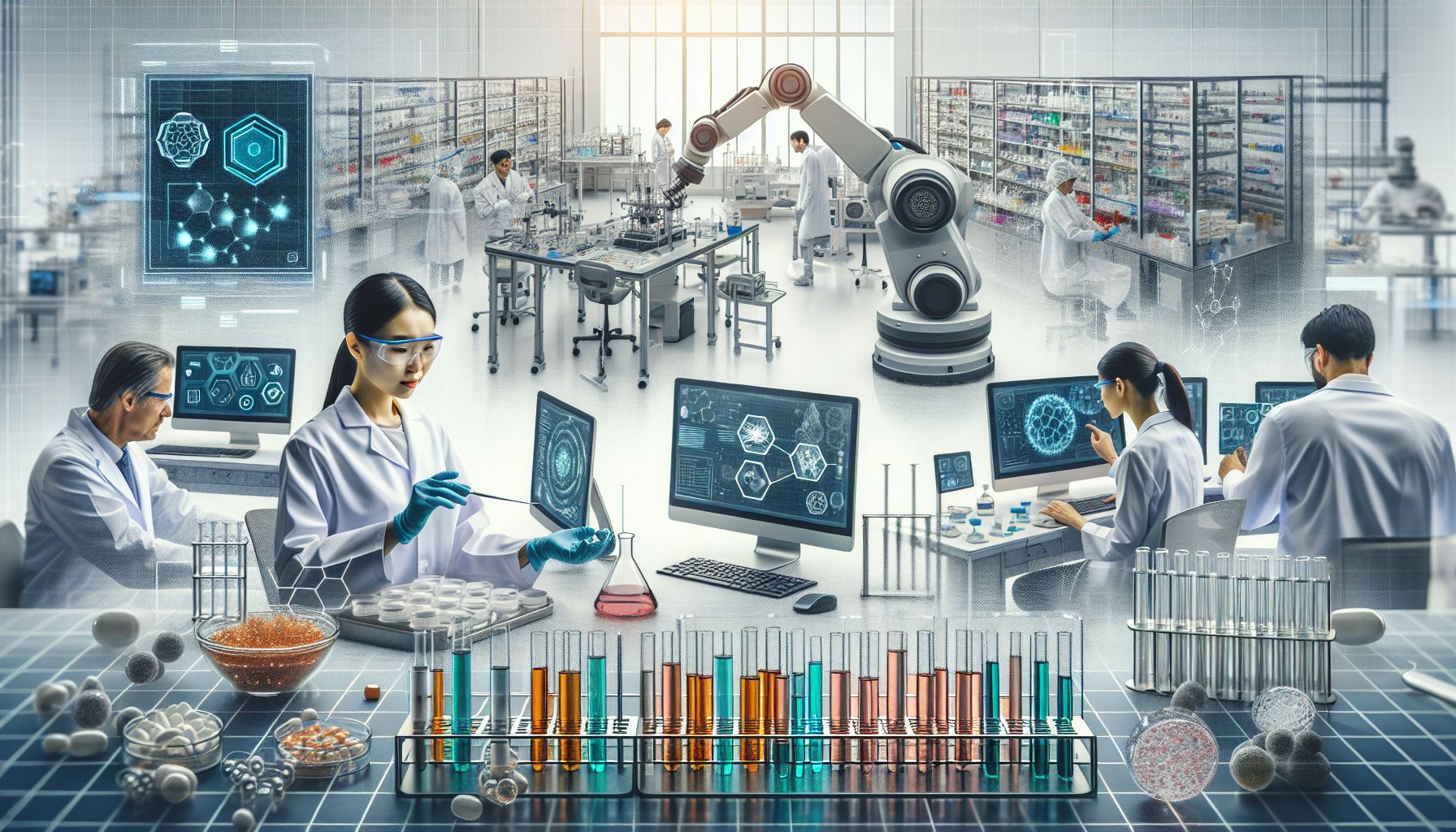
In recent years, the pharmaceutical industry has seen a significant convergence with technology. This collaboration has led to groundbreaking advancements in healthcare and medicine, ultimately improving the lives of patients worldwide. From the development of new drugs to the delivery of personalized treatments, the integration of technology has revolutionized the way pharmaceutical products are created and distributed.
One of the most significant ways technology has impacted pharmaceutical products is through the use of artificial intelligence (AI) and machine learning. These advanced algorithms have the ability to analyze massive amounts of data quickly and accurately, helping researchers identify potential drug candidates much faster than traditional methods. By leveraging AI, pharmaceutical companies can accelerate the drug discovery process and bring life-saving treatments to market more efficiently.
Additionally, technology has played a crucial role in the development of personalized medicine. Through the use of genetic testing and data analytics, healthcare providers can now tailor treatments to individual patients based on their unique genetic makeup. This personalized approach not only improves the efficacy of treatments but also reduces the risk of adverse reactions, ultimately enhancing patient outcomes and quality of life.
Furthermore, advancements in technology have revolutionized the way pharmaceutical products are manufactured, distributed, and administered. Automation and robotics have streamlined the production process, leading to increased efficiency and consistency in drug manufacturing. Additionally, innovations such as telemedicine and smart drug delivery systems have made it easier for patients to access and adhere to their prescribed treatments, ultimately improving patient compliance and health outcomes.
Despite the many benefits of integrating technology into pharmaceutical products, there are also challenges and concerns that must be addressed. Issues such as data privacy, cybersecurity, and regulatory compliance must be carefully considered to ensure the safety and efficacy of new technologies in healthcare. Additionally, disparities in access to technology and healthcare services may further exacerbate existing healthcare inequalities, highlighting the need for a thoughtful and inclusive approach to innovation in the pharmaceutical industry.
In conclusion, the intersection of technology and pharmaceutical products has the potential to revolutionize healthcare and improve patient outcomes in ways we could have never imagined. By harnessing the power of AI, personalized medicine, and innovative drug delivery systems, pharmaceutical companies can continue to develop life-saving treatments and empower patients to take control of their health. As the pace of technological advancement accelerates, it is crucial for industry stakeholders to work collaboratively to address challenges and seize the opportunities that lie ahead in this exciting era of healthcare innovation.
Evolving Technology and its Impact on Pharmaceutical Products
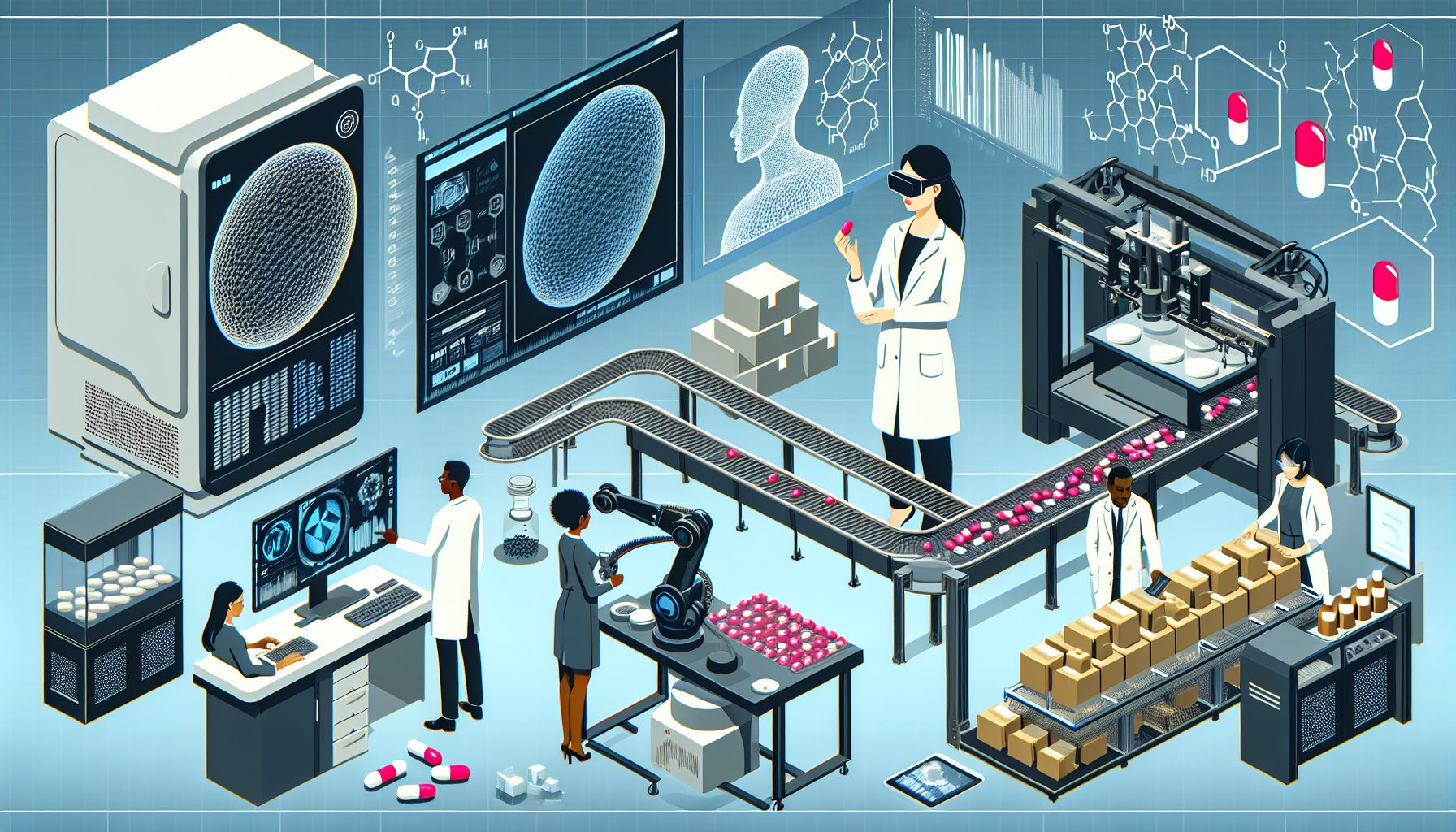
In recent years, the advancements in technology have significantly impacted the pharmaceutical industry, revolutionizing the way drugs are developed, manufactured, and delivered to patients. These advancements have not only improved the efficiency and effectiveness of pharmaceutical products but have also paved the way for the development of innovative treatments for various medical conditions.
One of the most significant advancements in technology that has influenced the pharmaceutical industry is the use of artificial intelligence (AI) and machine learning algorithms. These technologies have enabled researchers to analyze massive amounts of data, identify patterns, and predict outcomes with a level of accuracy that was previously unattainable. This has expedited the drug discovery process, allowing researchers to identify potential drug candidates more efficiently and effectively.
Additionally, advancements in manufacturing technology, such as 3D printing, have enabled pharmaceutical companies to develop personalized medicines tailored to the unique needs of individual patients. This has revolutionized the way drugs are manufactured and has led to the development of novel dosage forms that enhance drug delivery and efficacy.
Moreover, technology has also played a crucial role in improving patient outcomes and adherence to treatment regimens. The development of smart devices, such as wearable sensors and mobile apps, has enabled patients to monitor their health in real-time and track their medication adherence. This not only improves patient engagement but also allows healthcare providers to intervene proactively when necessary.
Furthermore, the use of blockchain technology has enhanced the security and traceability of pharmaceutical products, reducing the risk of counterfeit drugs entering the market. By utilizing blockchain technology, pharmaceutical companies can track the entire supply chain of a drug, from production to distribution, ensuring the authenticity and quality of the product.
In conclusion, technology has revolutionized the pharmaceutical industry, leading to the development of innovative treatments, personalized medicines, and improved drug delivery systems. As technology continues to evolve, we can expect further advancements that will continue to transform the way pharmaceutical products are developed, manufactured, and delivered to patients. This intersection of technology and pharmaceuticals holds immense potential for improving patient outcomes and driving advancements in healthcare.