Posts in Category: Blog
The Intersection of Technology and Pharmaceutical Products
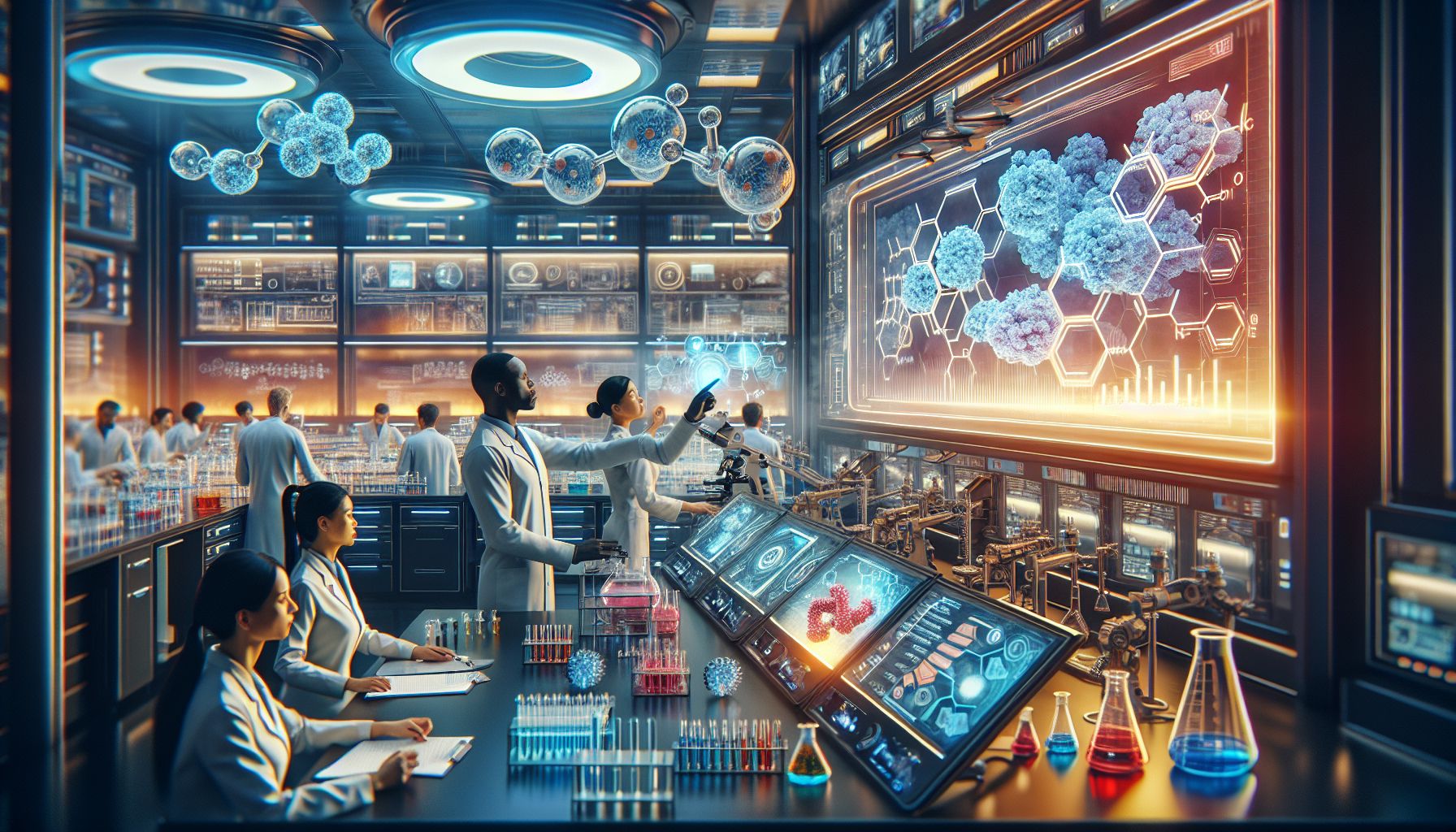
The advancement of technology has had a profound impact on various industries, and the pharmaceutical sector is no exception. The incorporation of cutting-edge technology has revolutionized the manufacturing, research, and distribution of pharmaceutical products. From development to delivery, technology plays a crucial role in every stage of the pharmaceutical product lifecycle.
Manufacturing with Precision and Efficiency
Gone are the days when pharmaceutical manufacturers had to rely solely on manual labor and cumbersome equipment. Today, state-of-the-art technology drives the production of medicines, ensuring precision, efficiency, and safety. Automation and robotics have streamlined the manufacturing process, reducing the risk of human error and enabling precise dosage measurements. Moreover, specialized software helps monitor the manufacturing environment to maintain optimum conditions, ensuring product quality and consistency.
Accelerating Research and Development
Technology has significantly expedited the research and development (R&D) process in the pharmaceutical industry. Advanced computer models and simulations allow scientists to analyze large amounts of data quickly and accurately. With the help of artificial intelligence (AI) algorithms, researchers can identify potential targets for drug discovery more efficiently. High-performance computing and machine learning enable the rapid prediction of drug structures, screening of compounds, and identification of potential side effects, greatly shortening the time required for R&D.
Enhancing Patient Care and Safety
The integration of technology in pharmaceutical products has greatly improved patient care and safety. Electronic medical records (EMRs) have replaced traditional paper-based files, making patient data easily accessible and eliminating the risk of misplaced records. Additionally, advanced drug delivery systems, such as smart pills, inhalers, and patches, have been developed to provide personalized treatments and ensure accurate dosing. These technologies not only enhance patient convenience but also improve drug efficacy and minimize side effects.
Optimizing the Supply Chain
The utilization of technology has also made significant improvements in the pharmaceutical supply chain. Track-and-trace systems provide real-time visibility, enabling manufacturers and distributors to monitor the movement of medicines and identify potential bottlenecks or risks. This helps prevent counterfeit drugs from entering the market and ensures the availability of products when and where they are needed. Moreover, the use of blockchain technology is gaining popularity in the pharmaceutical sector as it enables secure and transparent transactions, reduces the risk of fraud, and simplifies regulatory compliance.
Conclusion
Technology has become an integral part of the pharmaceutical industry, driving advancements that benefit both manufacturers and patients. From optimizing manufacturing processes to accelerating research and development, technology has transformed the way pharmaceutical products are developed, produced, and distributed. As technology continues to evolve, we can expect even more innovative solutions that improve patient care, enhance drug efficacy, and safeguard public health. The future of pharmaceutical products lies at the intersection of technology and innovation, promising a healthier and safer world for us all.
The Role of Technology in Advancing Pharmaceutical Products
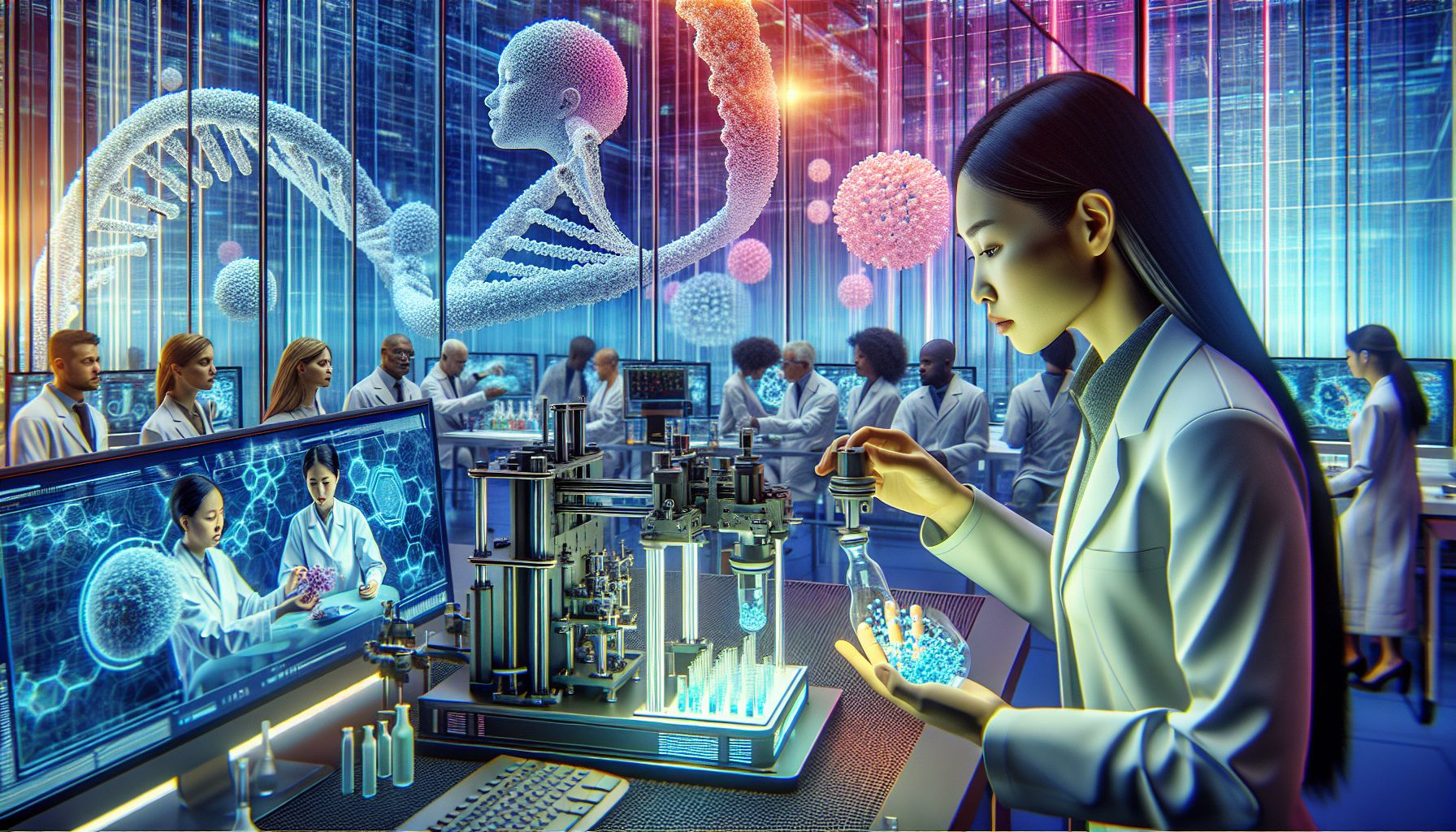
Technology has revolutionized various industries over the years, and the pharmaceutical sector is certainly no exception. From drug discovery and development to manufacturing and distribution, technology plays a vital role in advancing pharmaceutical products. With innovative tools and processes, pharmaceutical companies can now develop more effective drugs, improve patient outcomes, and streamline their operations. In this blog post, we will explore the impact of technology on pharmaceutical products and discuss some of the key advancements shaping the industry today.
Drug Discovery and Development
One of the most significant contributions of technology to pharmaceutical products lies in the realm of drug discovery and development. Traditional methods of identifying potential drug candidates often involved time-consuming and labor-intensive processes. However, with the advent of high-throughput screening, bioinformatics, and machine learning algorithms, scientists can now quickly analyze vast amounts of data and identify potential drug targets. This not only accelerates the drug discovery process but also allows for the development of more personalized and targeted therapies.
Manufacturing and Quality Control
Technology has also revolutionized pharmaceutical manufacturing, leading to increased efficiency and quality control. Automated systems and robotics are now commonly used for various manufacturing processes, reducing the risk of human error and ensuring precision and accuracy. Additionally, the use of advanced analytical tools enables real-time monitoring of production parameters, ensuring that pharmaceutical products meet strict quality standards.
Digital Health and Telemedicine
The rise of digital health technologies has had a profound impact on how pharmaceutical products are used and monitored. From smartphone apps that help patients track their medication adherence to wearable devices that provide continuous health monitoring, technology is making it easier for individuals to manage their healthcare. Moreover, the integration of telemedicine allows patients to consult with healthcare professionals remotely, reducing the need for in-person visits. This not only improves patient convenience but also enhances medication management and overall treatment outcomes.
Regulatory Advancements
Technology has played a crucial role in advancing regulatory processes, ensuring the safety and efficacy of pharmaceutical products. The use of advanced data analytics and artificial intelligence has empowered regulatory authorities to analyze massive amounts of data efficiently. This enables quicker evaluation of clinical trials and allows for more informed decision-making. Additionally, technology also enables robust traceability and serialization of pharmaceutical products, improving supply chain transparency and reducing the risk of counterfeit drugs.
Conclusion
Technology continues to reshape the pharmaceutical industry by driving innovation, improving efficiency, and enhancing patient care. From drug discovery and manufacturing to patient monitoring and regulatory advancements, the impact of technology is pervasive. As we move forward, it is crucial for pharmaceutical companies to embrace technological advancements and collaborate with technology experts to harness its full potential. By doing so, we can expect further advancements in pharmaceutical products, resulting in better treatments, improved patient outcomes, and a healthier future for all.

Technology and Pharmaceutical Products: A Powerful Combination
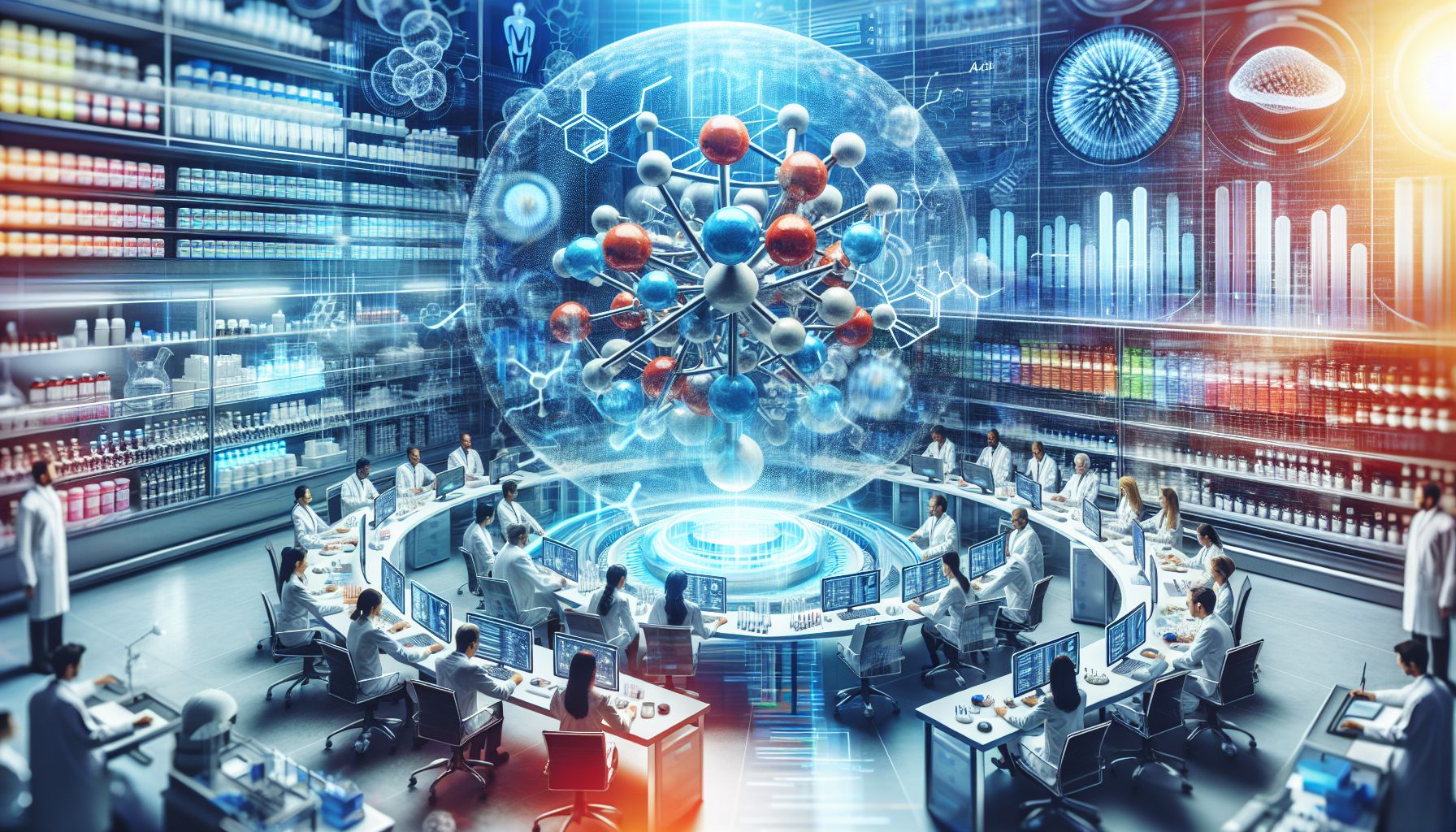
Technology has revolutionized every aspect of our lives, from simple daily tasks to complex industries. It has also played a crucial role in the advancement of pharmaceutical products, leading to improved treatments, precise diagnoses, and better patient outcomes. The integration of technology and pharmaceuticals has created a powerful combination that is shaping the future of healthcare.
In the past, drug development and manufacturing relied heavily on manual processes, which were time-consuming and prone to errors. However, with the advent of technology, the pharmaceutical industry has witnessed a remarkable transformation. Automating various stages of drug discovery, development, and production have accelerated the entire process, allowing for faster and more efficient results.
One of the significant contributions of technology to pharmaceuticals is the field of artificial intelligence (AI). AI can analyze vast amounts of data and identify patterns that humans might miss, leading to new insights into diseases and potential treatment options. Machine learning algorithms can assist in predicting the efficacy of new drugs, thereby streamlining the research and development process.
The use of technology has also led to significant advancements in drug delivery systems. Traditional oral medications often have limitations in terms of absorption and effectiveness. However, with the help of technology, pharmaceutical companies have been able to develop improved drug delivery methods. Transdermal patches, inhalers, and micro-encapsulation techniques enable the precise administration of medications, enhancing their efficacy and reducing side effects.
Moreover, technology has transformed the way healthcare professionals diagnose and monitor diseases. Cutting-edge medical devices, such as MRI machines, CT scanners, and genetic testing equipment, provide accurate and detailed information for early detection and treatment planning. These diagnostic tools not only improve patient outcomes but also contribute to the overall efficiency of healthcare systems.
Additionally, the integration of technology in pharmaceutical products has revolutionized patient care through telemedicine and remote monitoring. Patients can now consult with healthcare professionals from the comfort of their homes, saving time and reducing the burden on hospitals and clinics. Remote monitoring devices enable real-time tracking of patients’ vital signs, allowing for proactive intervention and personalized treatment plans.
While the integration of technology and pharmaceutical products has brought significant advancements, it has also presented challenges. Ensuring the security and privacy of patient data, particularly in the era of connected devices and digital health apps, remains a priority. Cybersecurity measures need to be robust to protect sensitive medical information from unauthorized access.
In conclusion, the marriage of technology and pharmaceutical products has propelled the healthcare industry forward, benefiting patients, healthcare professionals, and the entire ecosystem. From streamlining drug development to innovative drug delivery systems and advanced diagnostics, technology has enhanced every step of the pharmaceutical process. However, it is vital to overcome challenges related to data security and privacy to fully harness the potential of this powerful combination. As technology continues to evolve, so too will the ways in which pharmaceutical products are developed, improving healthcare outcomes and transforming lives.
How Technology is Revolutionizing Pharmaceutical Products
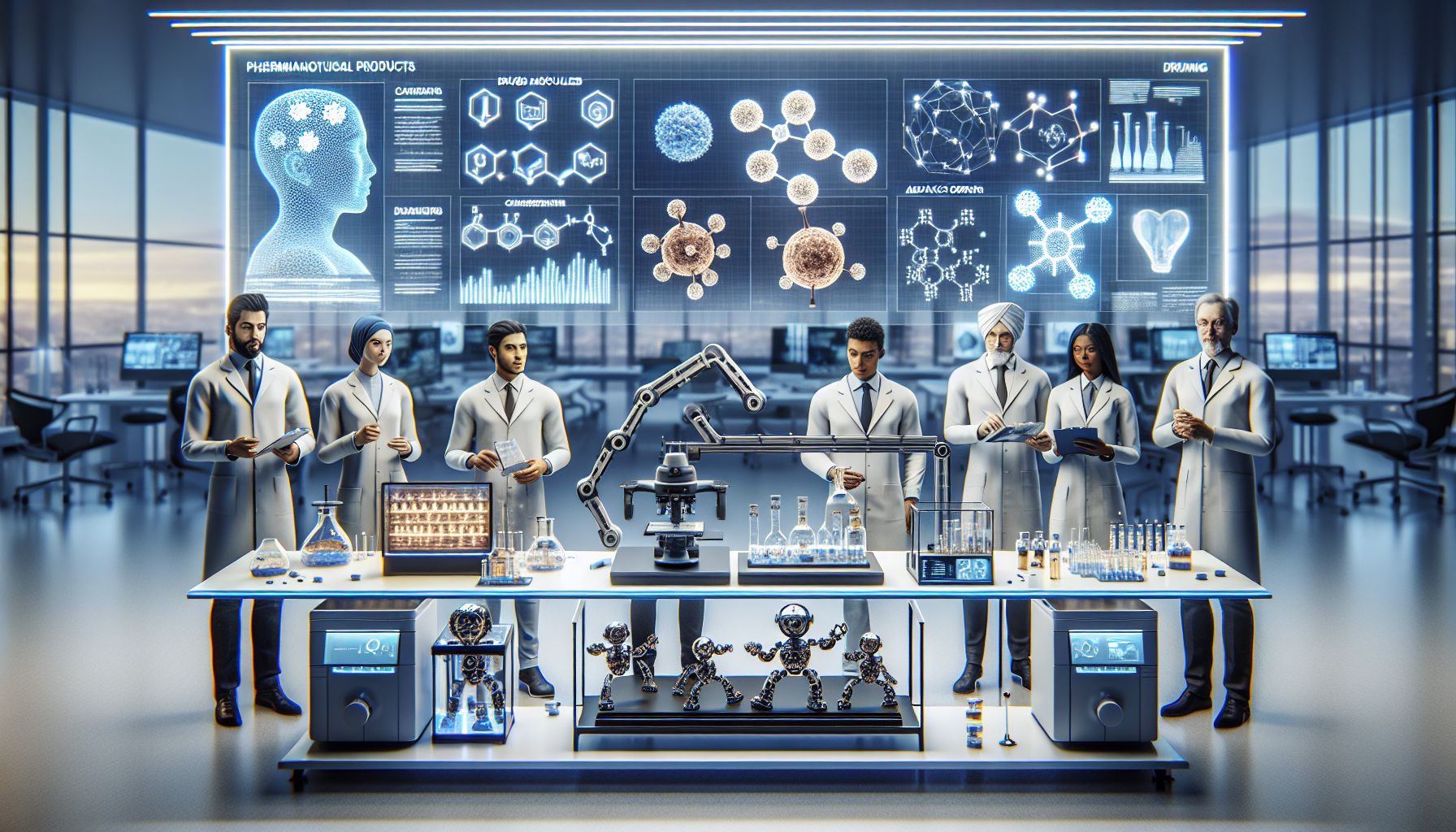
Technology has been transforming various industries over the years, and the pharmaceutical sector is no exception. The marriage between technology and pharmaceutical products has brought about significant advancements, ultimately benefiting patients and healthcare systems worldwide. From drug discovery to personalized medicine, technology has revolutionized pharmaceutical products in unprecedented ways.
Drug Discovery
One of the most significant impacts of technology on pharmaceutical products is its role in drug discovery. In the past, developing a new drug was a lengthy and challenging process. However, with the aid of technology, this process has been streamlined. High-throughput screening techniques, combined with computational modeling and artificial intelligence, allow researchers to analyze thousands of molecules in a short period. This process has tremendously expedited the identification of potential drug candidates, significantly reducing the time and cost of drug discovery.
Manufacturing and Quality Control
Technology has also modernized the manufacturing and quality control processes of pharmaceutical products. Automation and robotics have replaced much of the manual labor involved in drug production, ensuring higher precision and efficiency. This shift has not only increased the speed of manufacturing but also improved the consistency and overall quality of pharmaceutical products. Furthermore, technology enables continuous monitoring and real-time data analysis during the manufacturing process, leading to more reliable and safer end products.
Delivery Systems
Advancements in technology have revolutionized drug delivery systems, enhancing patient experiences and treatment effectiveness. The development of various delivery methods, such as nanotechnology and implantable devices, has enabled targeted and controlled drug administration. These systems ensure that medications are delivered directly to the affected area, minimizing side effects and improving the therapeutic outcome. Moreover, technology has played a vital role in the development of patient-friendly devices like wearable sensors and smart inhalers, empowering individuals to monitor their health conditions and adhere to their treatment plans more effectively.
Personalized Medicine
Perhaps one of the most promising aspects of technology in pharmaceutical products is personalized medicine. Thanks to breakthroughs in genomic sequencing and bioinformatics, researchers can now analyze an individual’s genetic makeup and tailor treatment plans accordingly. This approach ensures that patients receive the most effective and appropriate medications for their specific conditions, avoiding unnecessary trial-and-error processes. By combining genomics with advanced diagnostics, technology has opened doors to precision medicine, ultimately improving health outcomes and reducing healthcare costs.
In conclusion, the integration of technology into the pharmaceutical industry has revolutionized the development, manufacturing, delivery, and personalization of pharmaceutical products. These advancements have not only increased the speed and efficiency of drug discovery but also improved manufacturing processes, delivery mechanisms, and personalized treatment plans. As technology continues to evolve, the future of pharmaceutical products holds immense potential for further advancements and innovation. Ultimately, this will lead to better healthcare outcomes and improved patient experiences globally.
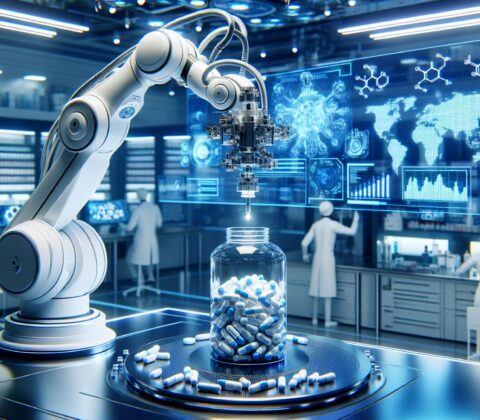
The Intersection of Technology and Pharmaceutical Products
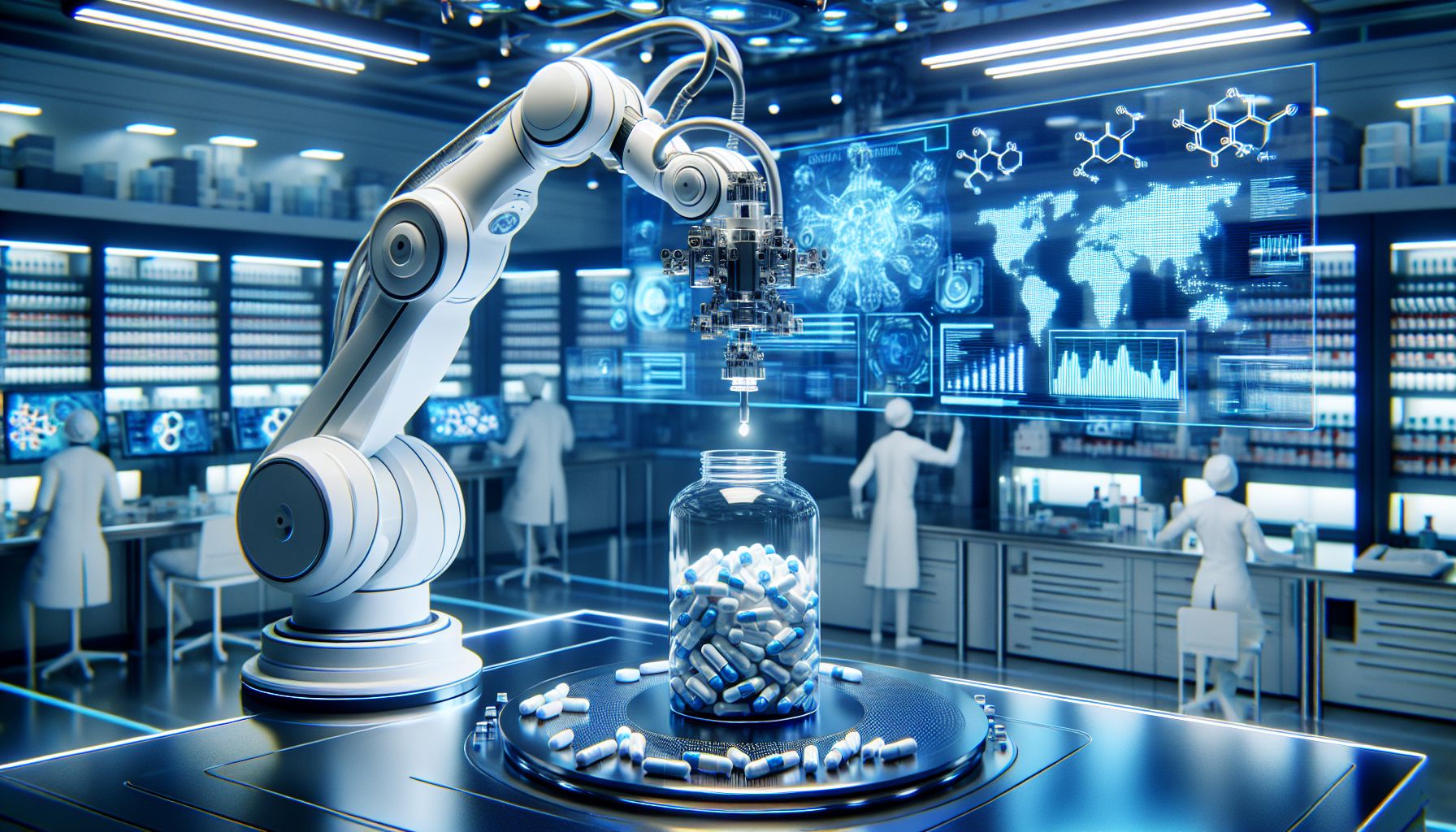
Technology has become an integral part of our lives, reshaping various industries. One area where its impact is particularly noteworthy is the field of pharmaceutical products. In recent years, technology has revolutionized the development, manufacturing, and distribution of drugs, leading to significant advancements in the healthcare sector. In this article, we will explore the intersection of technology and pharmaceutical products and how this synergy has transformed the way we approach healthcare.
Development and Research
One of the most significant contributions of technology to pharmaceutical products is in the realm of research and development. High-performance computing and data analytics have enabled pharmaceutical companies to accelerate the drug discovery process. By leveraging powerful computational algorithms and simulating complex biological interactions, researchers can now identify potential drug candidates more efficiently. These advanced technologies not only reduce the time and cost involved in the research phase but also increase the chances of finding effective treatments for various diseases.
Manufacturing and Quality Control
The integration of technology in the manufacturing of pharmaceutical products has brought about substantial improvements. Automation and robotics play a crucial role in ensuring precision, accuracy, and consistency in the production process. This eliminates human error and reduces the likelihood of contamination, resulting in safer and more reliable drugs. Additionally, the implementation of real-time data monitoring systems allows manufacturers to closely monitor and control the production environment, ensuring compliance with stringent quality control standards.
Intelligent Drug Delivery
Another area where technology has made great strides is in drug delivery systems. Traditional methods such as pills and injections have their limitations, especially when it comes to targeted therapy. However, advancements like nanotechnology and smart devices offer more precise and personalized delivery of drugs. By encapsulating medications in nanoparticles, it becomes possible to deliver them directly to the affected cells, maximizing efficacy and minimizing side effects. Moreover, wearable devices equipped with sensors allow for continuous monitoring and controlled release of medications, ensuring optimal patient outcomes.
Enhancing Accessibility and Patient Care
Technology has also played a vital role in improving patient care and accessibility to pharmaceutical products. Telemedicine and mobile health apps have made healthcare services more accessible, particularly for those in remote areas or with limited mobility. Patients can now consult doctors online, order medications, and receive personalized treatment plans from the comfort of their homes. Furthermore, electronic medical records and AI-driven algorithms enhance patient safety by providing healthcare providers with real-time insights and alerts, preventing potentially harmful drug interactions or allergies.
Conclusion
As technology continues to evolve, its impact on pharmaceutical products is set to grow exponentially. From speeding up drug discovery to enhancing manufacturing processes, improving drug delivery systems, and revolutionizing patient care, the synergy between technology and pharmaceuticals is reshaping the healthcare landscape. By embracing these advancements, we can look forward to a future where safer, more effective treatments are readily available and accessible to all, ultimately improving the quality of life for people around the globe.
The Role of Technology in Revolutionizing Pharmaceutical Products
Technology has greatly impacted every aspect of our lives, including the field of medicine. Over the years, advancements and innovations in technology have led to significant improvements in the development, production, and distribution of pharmaceutical products. This collaborative synergy between technology and pharmaceuticals has not only accelerated the research process but has also opened doors to groundbreaking discoveries and treatments. In this article, we will explore the various ways in which technology has revolutionized pharmaceutical products.
The Research and Development Phase
Gone are the days of extensive manual research and time-consuming experiments. Technology has revolutionized the research and development phase of pharmaceutical products, making it more efficient and cost-effective. With the advent of powerful computational tools and high-performance computing systems, scientists can now simulate and model the behavior of chemical compounds, saving a significant amount of time in the drug discovery process. This accelerated pace aids in the identification of potential drug candidates and expedites the transition from lab to market.
Precision Medicine and Personalized Treatment
Technology has played a crucial role in the emergence of precision medicine and personalized treatment plans. Through the analysis of vast amounts of genomic and molecular data, doctors and researchers can now tailor treatment options to individual patients based on their genetic makeup. This targeted approach not only enhances the effectiveness of pharmaceutical products but also minimizes the risk of adverse side effects. Moreover, advancements in bioinformatics and data analytics allow healthcare professionals to gain actionable insights from the vast amount of medical information available, leading to improved patient care and outcomes.
Manufacturing and Quality Control
Pharmaceutical manufacturing has also benefitted tremendously from technological advancements. Automation and robotics have streamlined the production process, eliminating human errors and ensuring consistent quality control. From the precise measurement of ingredients to the packaging and labeling of products, technology has transformed pharmaceutical manufacturing into a highly efficient and reliable process. Additionally, the implementation of data-driven monitoring systems enables real-time tracking and analysis of manufacturing parameters. This ensures that pharmaceutical products are produced with the highest standards of quality and safety.
Improved Access and Distribution
Technology has paved the way for enhanced access and distribution of pharmaceutical products, particularly in remote and underserved areas. Telehealth and telemedicine services have allowed patients to consult with healthcare professionals remotely, providing access to vital medications and treatments. Furthermore, advancements in supply chain management, such as the use of blockchain technology, have enabled better tracking and authentication of pharmaceutical products, reducing the prevalence of counterfeit drugs and ensuring their quality and safety.
Conclusion
The integration of technology in the pharmaceutical industry has undeniably transformed the landscape of healthcare. From accelerating research and development to enabling personalized treatment plans, technology has revolutionized pharmaceutical products, making them safer, more precise, and more accessible. As technology continues to evolve and innovate, further advancements can be expected in the pharmaceutical sector, leading to significant improvements in patient care and outcomes. With technology as a catalyst, the future of pharmaceutical products appears promising, revolutionizing the way we approach health and well-being.
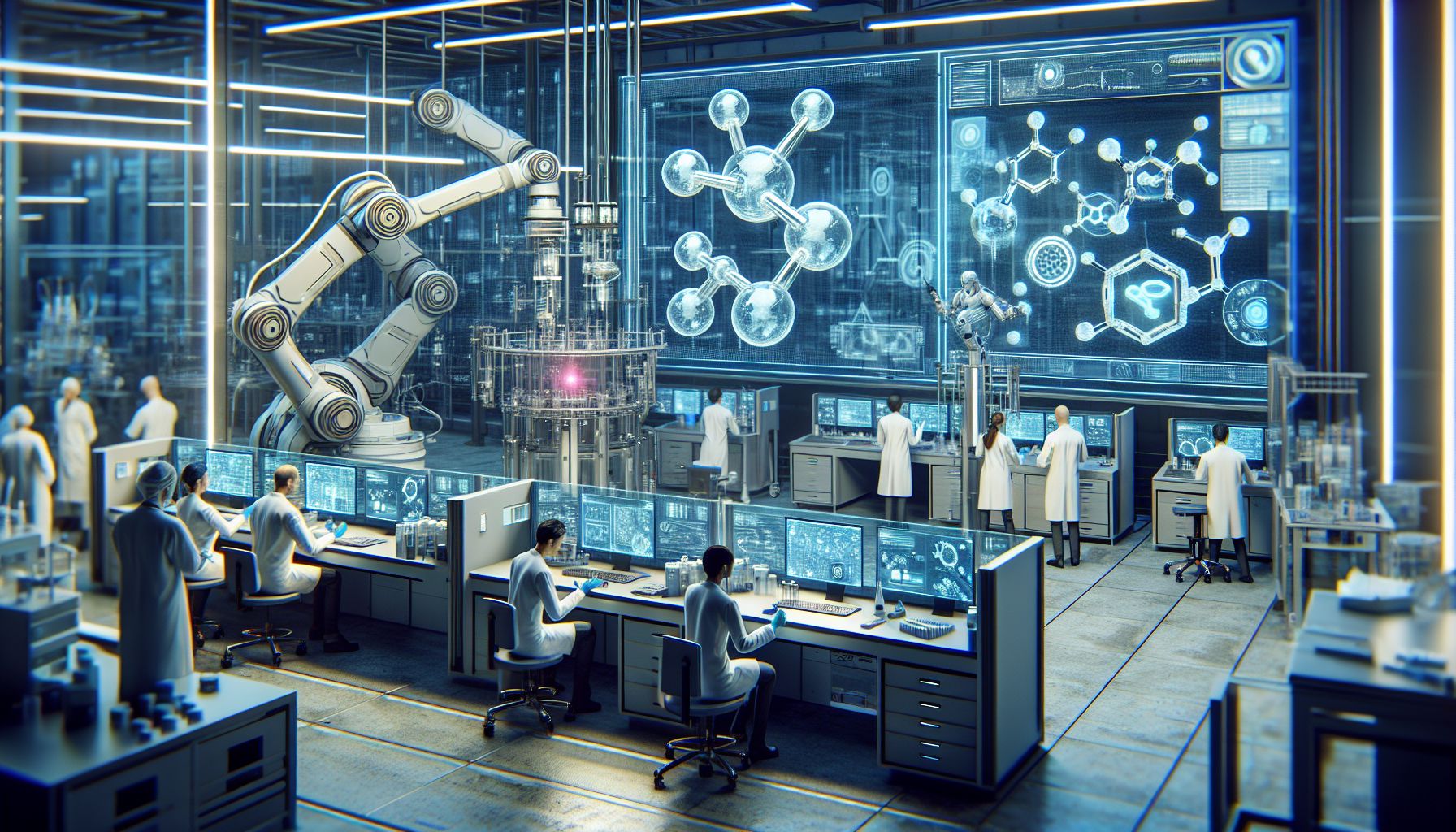
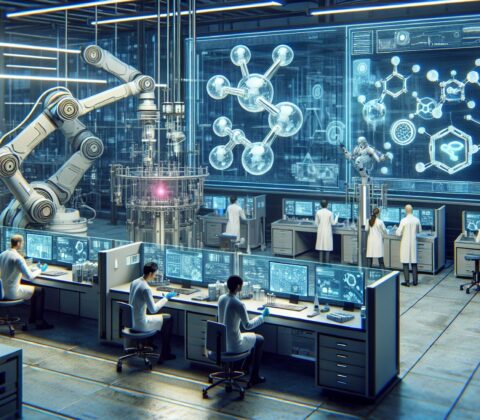
Technological Advancements in the Pharmaceutical Industry
The intersection of technology and pharmaceutical products has revolutionized the healthcare landscape. Traditional medicine is being transformed by scientific breakthroughs and innovative techniques, leading to improved patient outcomes and enhanced drug development processes. With each passing day, technology continues to reshape the pharmaceutical industry, creating a more efficient and effective healthcare system.
Advanced Drug Discovery and Development
One of the most significant contributions of technology to the pharmaceutical industry is in the field of drug discovery and development. Through the use of computational methods and artificial intelligence (AI), scientists can now identify potential drug candidates more swiftly and accurately. These groundbreaking technologies help in sifting through vast amounts of data and predicting chemical interactions, significantly reducing the time and cost involved in traditional drug discovery processes.
Moreover, machine learning algorithms have proven to be invaluable in analyzing massive datasets, enabling researchers to detect patterns and make informed decisions. Predictive models have become an integral part of pharmaceutical research, allowing scientists to anticipate drug efficacy and toxicity. These technological advancements expedite the drug development timeline and improve the overall success rate, ultimately benefiting patients worldwide.
Smart Drug Delivery Systems
Advancements in technology are not limited to drug development alone. Smart drug delivery systems are another area where innovation has had a remarkable impact. These systems utilize cutting-edge technology to deliver medications in a controlled, targeted, and personalized manner.
For instance, implantable devices equipped with biosensors can continuously monitor a patient’s vital signs and release drugs when needed. This enables precise dosage administration and reduces the risk of adverse effects. Furthermore, wearable devices and smartphone applications have emerged to help patients track their medication intake and adherence. These digital solutions empower individuals to take charge of their health and ensure timely consumption of prescribed medications.
Enhanced Clinical Trials and Personalized Medicine
The integration of technology has also transformed the landscape of clinical trials, making them more efficient and patient-centered. Electronic data capture systems and electronic health records have replaced traditional paper-based documentation, minimizing errors and facilitating real-time data analysis. Additionally, telemedicine and remote monitoring technologies enable researchers to conduct trials remotely, improving both accessibility and patient recruitment.
Furthermore, technology plays a crucial role in advancing personalized medicine. By combining genetic information with technological tools such as DNA sequencing and AI algorithms, healthcare providers can tailor treatments to individual patients. This personalized approach eliminates the reliance on trial-and-error methods and ensures the most effective treatment plan, increasing the chances of positive health outcomes.
Conclusion
Technology continues to revolutionize the pharmaceutical industry, driving innovations in drug discovery, delivery systems, clinical trials, and personalized medicine. These advancements have significantly improved patient care by enabling faster drug development, precise drug delivery, more efficient clinical trials, and personalized treatments. As technology continues to advance, we can expect further breakthroughs that will reshape healthcare and bring us closer to a future where diseases are better managed and controlled.
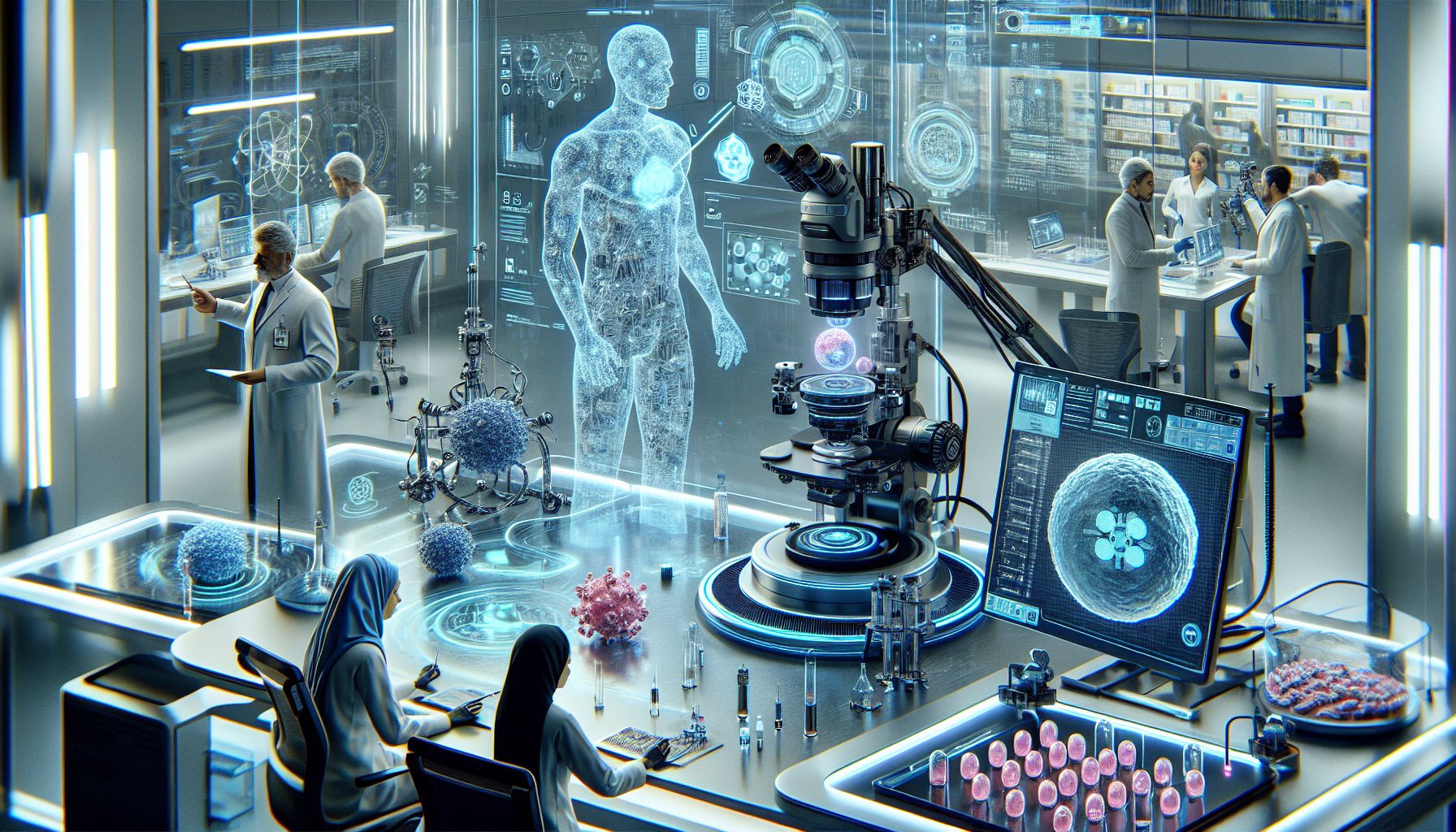
The Intersection of Technology and Pharmaceutical Products
Technology has not only revolutionized the way we live and interact with the world, but it has also brought about significant advancements in various industries. One such industry that has greatly benefited from technological innovation is the pharmaceutical sector. In today’s modern era, the integration of technology with pharmaceutical products has paved the way for remarkable breakthroughs, resulting in improved treatments, enhanced drug development processes, and better patient care.
Improved Drug Discovery and Development
Technology has played a vital role in accelerating the drug discovery and development process. With the advent of high-performance computing and data analysis systems, researchers can now process vast amounts of information to identify potential drug candidates more efficiently. Artificial intelligence and machine learning algorithms enable scientists to sift through enormous datasets, uncovering patterns and correlations that might otherwise go unnoticed. This has significantly reduced the time and cost required to bring new drugs to market, potentially saving countless lives.
Personalized Medicine
Technology has empowered medical professionals to move away from a one-size-fits-all approach and embrace personalized medicine. Genetic testing and advancements in molecular biology have allowed for a better understanding of an individual’s unique genetic makeup and how it influences their response to certain drugs. With this information, doctors can tailor specific treatments to a patient’s genetic profile, optimizing their effectiveness and minimizing adverse reactions. This level of customization not only improves patient outcomes but also reduces unnecessary healthcare expenses.
Enhanced Patient Monitoring and Care
The integration of technology in pharmaceutical products has revolutionized patient monitoring and care. Wearable devices, such as smartwatches and fitness trackers, can collect real-time data on various health parameters. This information can be transmitted to healthcare professionals, who can monitor patients remotely and intervene when necessary. This remote monitoring not only provides convenience and peace of mind for patients but also prevents potential health crises. Moreover, smart pill bottles and medication adherence apps can help individuals stay on track with their medication schedules, ensuring better treatment outcomes.
Improved Manufacturing and Quality Control
Technology has also transformed the manufacturing and quality control processes within the pharmaceutical industry. Automation and robotics have streamlined production lines, reducing human errors and increasing efficiency. Additionally, real-time monitoring systems and data analytics allow companies to detect and address manufacturing deviations promptly, ensuring that medicines are of the highest quality. This helps maintain patient safety and avoids costly recalls.
Conclusion
Technology has undeniably become a driving force in the pharmaceutical industry. Its integration with pharmaceutical products has not only expedited drug discovery and development but also led to personalized medicine, improved patient care, and enhanced manufacturing processes. As technology continues to evolve, we can expect even more innovative solutions that address unmet medical needs and reshape the future of healthcare. With technology as an ally, the possibilities for improving human health are boundless.
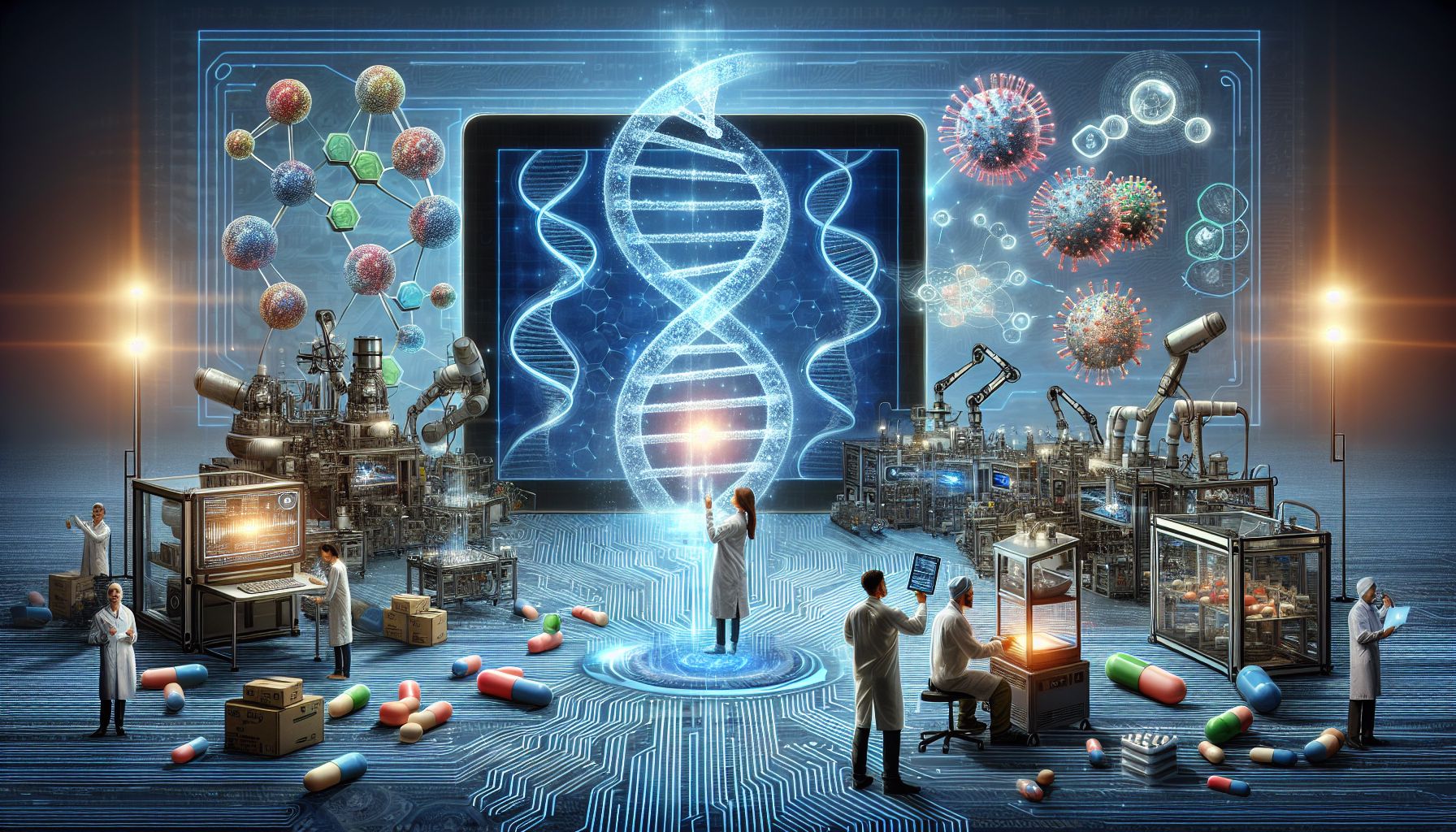
The Intersection of Technology and Pharmaceutical Products
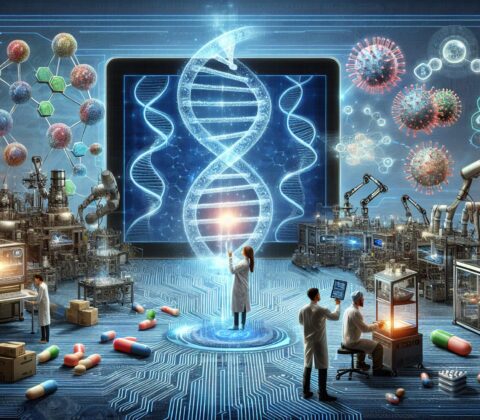
Pharmaceutical products affect nearly every aspect of our lives. From life-saving medications to over-the-counter remedies, the advancements in the pharmaceutical industry have significantly improved our overall well-being. However, the progress in this field would not have been possible without the integration of technology. Technology and pharmaceutical products are now intertwined, transforming the sector in ways that were unimaginable in the past.
The Role of Technology in Research and Development
Technological advancements have revolutionized the way pharmaceutical products are researched and developed. In the past, the process of discovering and testing new drugs was time-consuming and costly. Today, technology has made it possible to accelerate these processes, saving both time and resources.
One of the most significant contributions of technology is the use of high-throughput screening methods. This technique allows researchers to test thousands of compounds against a target disease or condition simultaneously. Through robotics and automation, large-scale screenings can be conducted rapidly, leading to the identification of potential new drugs.
Additionally, technologies like artificial intelligence (AI) have become indispensable tools in drug discovery. Machine learning algorithms can analyze vast amounts of data, predict molecular interactions, and even design new molecules with specific properties. This has opened up new possibilities for creating innovative pharmaceutical products more efficiently.
Enhancing Drug Delivery and Patient Experience
Advancements in technology have also greatly impacted drug delivery systems, improving the effectiveness and ease of use of pharmaceutical products. From transdermal patches to smart inhalers, these innovations have transformed how medications are administered.
One notable example is the development of personalized medicine. Through advancements in genomics and molecular diagnostics, pharmaceutical products can now be tailored to an individual’s specific genetic makeup. This leads to more targeted treatments with reduced side effects, ultimately improving patient outcomes.
Furthermore, the rise of telemedicine and digital health technologies has made it easier for patients to access healthcare and adhere to treatment regimens. Mobile applications and wearable devices can monitor vital signs, remind patients to take their medications, and provide real-time feedback to healthcare providers. These technologies not only empower patients to take control of their health but also support remote patient care, especially in rural or underserved areas.
The Future of Technology and Pharmaceutical Products
The synergies between technology and pharmaceutical products are expected to continue shaping the industry in the future. As we enter the era of precision medicine, technologies like gene editing, nanotechnology, and 3D printing hold enormous potential.
Gene editing technologies, such as CRISPR-Cas9, allow for precise modification of genes, opening up possibilities for targeted therapies and even genetic cures for certain diseases. Nanotechnology, on the other hand, enables the delivery of drugs at the cellular level, increasing their efficacy while minimizing side effects.
3D printing in pharmaceuticals is another exciting area of technological advancement. This technology allows for the creation of patient-specific drug dosages and even complex drug delivery systems. It has the potential to revolutionize the manufacturing and distribution of pharmaceutical products, making them more accessible and personalized.
In Conclusion
The integration of technology in the pharmaceutical industry has transformed drug discovery, enhanced drug delivery systems, and improved patient care. By streamlining research processes, enabling personalized medicine, and leveraging digital health technologies, technology continues to push the boundaries of what is possible in the world of pharmaceutical products. As we move forward, the future holds even more promise with emerging technologies that will reshape the industry, ultimately benefiting patients and society as a whole.
The Synergistic Relationship between Technology and Pharmaceutical Products
From the discovery of antibiotics to the development of life-saving vaccines, pharmaceutical products have revolutionized healthcare. However, it is important to acknowledge that these advancements would not have been possible without the integration of technology. The marriage of technology and pharmaceutical products has not only improved the efficacy and safety of medications but has also transformed the way medical professionals diagnose and treat diseases. In this article, we will explore the synergistic relationship between technology and pharmaceutical products and the impact it has had on healthcare.
Advancements in Drug Formulation and Delivery
One of the significant ways technology has enhanced pharmaceutical products is through improved drug formulation and delivery methods. Traditionally, medications were available in simple tablet or capsule forms, limiting their absorption and effectiveness. Today, technology enables pharmaceutical companies to develop novel drug delivery systems. For instance, transdermal patches allow drugs to be absorbed through the skin, bypassing the digestive system, resulting in improved bioavailability and accurate dosing. Additionally, sustained release capsules deliver medication gradually over an extended period, ensuring a steady therapeutic effect. These advancements not only enhance patient compliance but also improve treatment outcomes.
Precision Medicine and Personalized Therapies
Technology has paved the way for personalized medicine, tailoring treatment to an individual’s unique genetic makeup. Pharmacogenomics, a field that combines pharmacology and genomics, utilizes genetic information to determine the most effective and safe medication for a patient. By identifying genetic variations that affect drug metabolism, healthcare providers can prevent adverse reactions and optimize treatment efficacy. Moreover, advancements in technology have facilitated the development of targeted therapies, such as monoclonal antibodies and gene therapies, which aim to address specific disease mechanisms at a molecular level. Precision medicine holds incredible promise in revolutionizing disease management and improving patient outcomes.
Implementation of Artificial Intelligence and Machine Learning
Artificial intelligence (AI) and machine learning (ML) have emerged as powerful tools in the pharmaceutical industry. These technologies can sift through vast amounts of data, including medical records, research papers, and clinical trial results, to identify patterns, predict outcomes, and accelerate drug discovery. With AI and ML, pharmaceutical companies can analyze complex molecular structures to expedite the identification of potential drug candidates, reducing development timelines significantly. Furthermore, these technologies assist in the identification of adverse drug reactions and drug-drug interactions, enhancing patient safety. AI and ML are not only streamlining drug development but also paving the way for more targeted and efficient healthcare.
Conclusion
The integration of technology and pharmaceutical products has undeniably transformed the healthcare landscape. From innovative drug delivery systems to personalized therapies, technology has revolutionized the way diseases are diagnosed and treated. It has paved the way for precision medicine, providing tailored treatments based on individuals’ genetic profiles. Additionally, AI and ML are enabling the pharmaceutical industry to accelerate drug discovery and improve patient safety. As technology continues to advance, we can only expect further breakthroughs that will continue to shape the future of healthcare. It is this synergistic relationship between technology and pharmaceutical products that holds the potential to revolutionize medicine and improve countless lives.